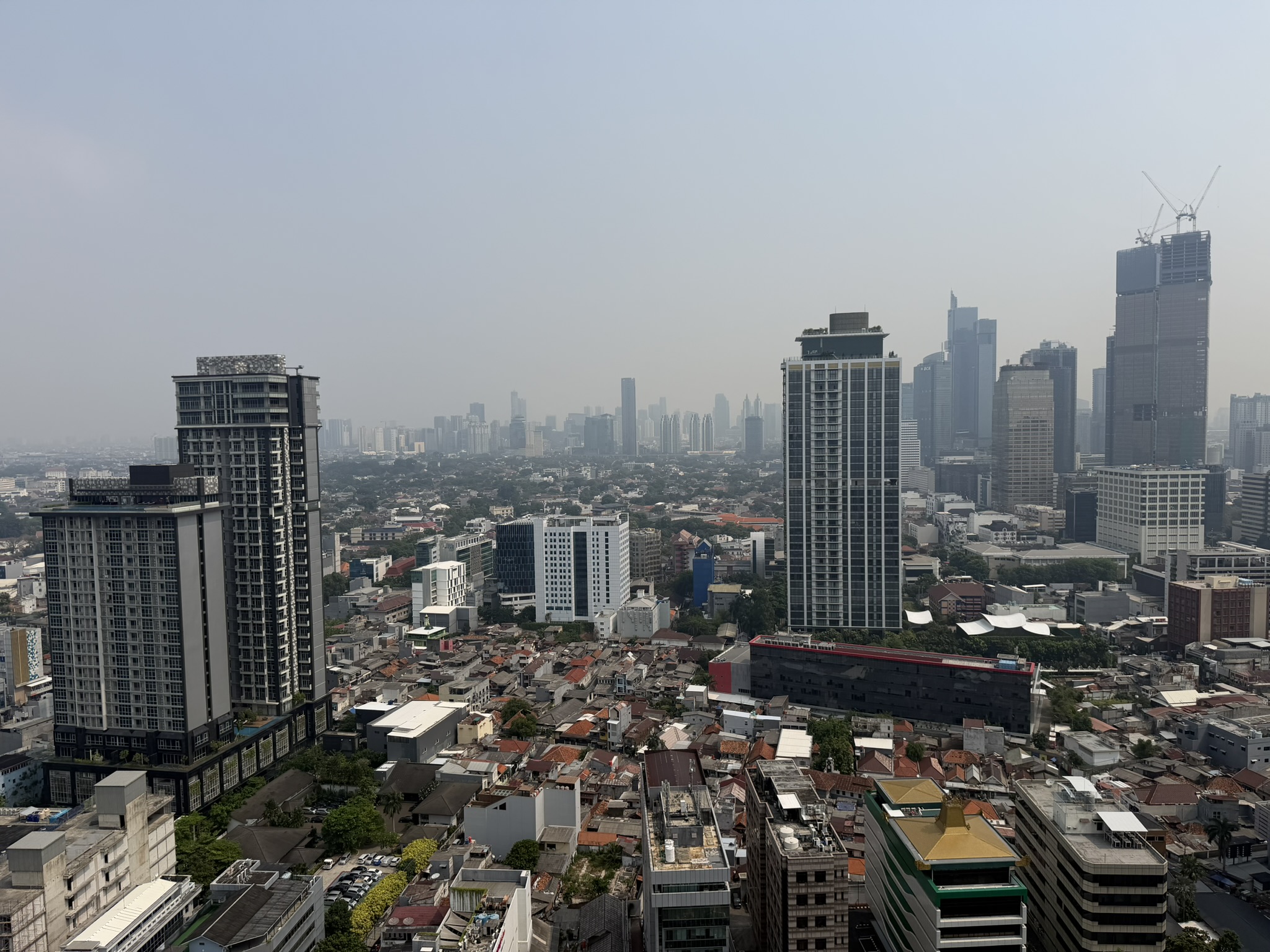
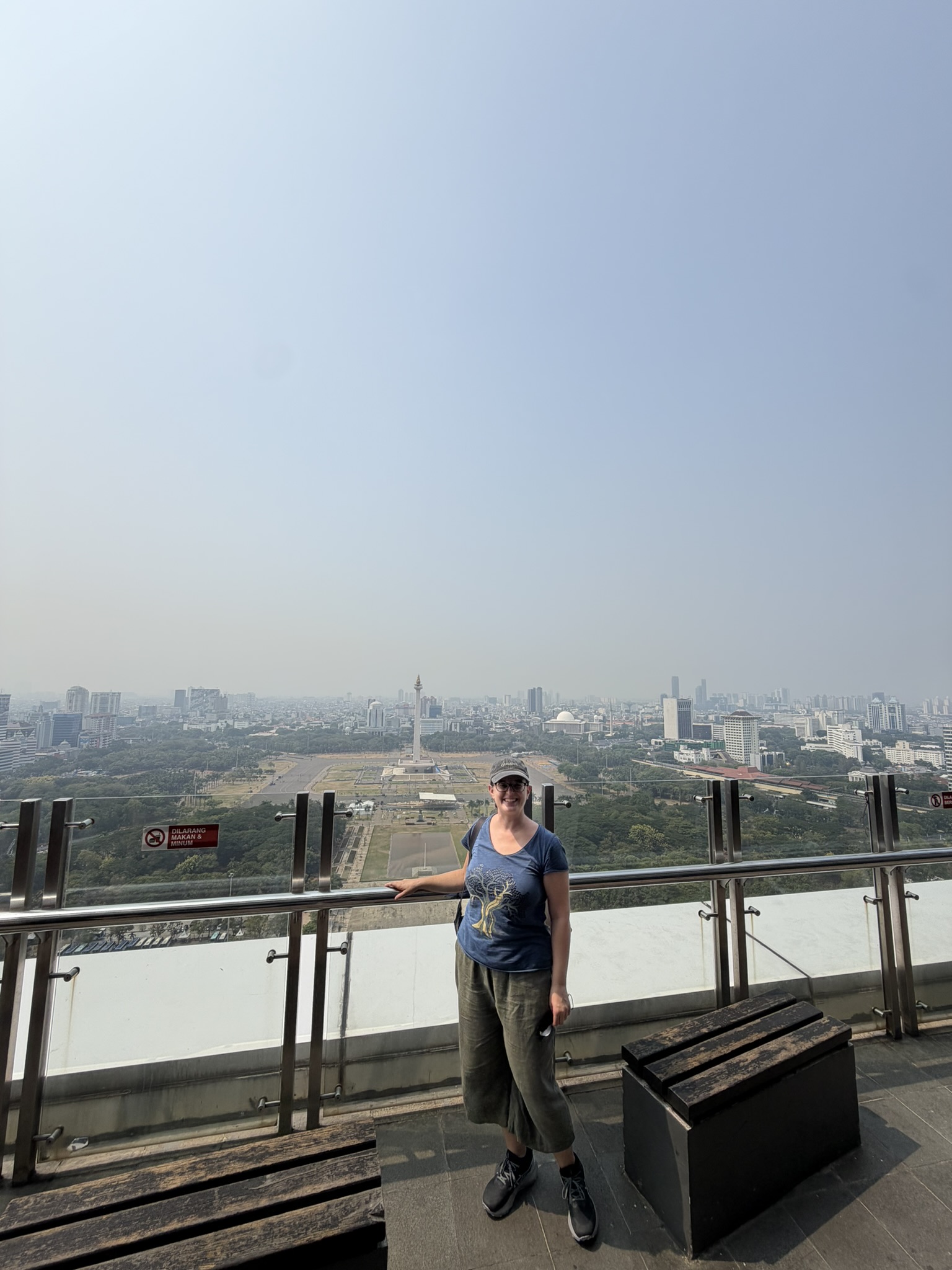
It’s not very often a city makes me think “Wow, what a dump.” Not only did Jakarta fail to surpass my low expectations during my short stay, it left me spiraling into despair and anger about the state of our planet and our very ability to sustain life in the years to come.
I was eager to escape Singapore, to leave the hazy skies caused by smoke blowing in from part of Indonesia which had led to a scratchy throat and an ear infection. A tour operator I messaged in Jakarta assured me things were better there, no smoke, just hot. I think I knew there would be air pollution there, but when I saw the thick haze in the sky upon landing at the airport, my gut did a flipflop as I second guessed all of my choices.
Still, I held on to my glimmer of excitement; the thrill of traveling to another new place! And this time, massive culture shock to be expected and embraced! I’ve got a month in Indonesia, just the length of the visa that allows me to visit. Lots of time to explore this massive collection of islands and get to know some of the culture in some depth. Jakarta was a natural starting place with the easy flight connection. And while places like Bali and Komodo are what initially drew me to Indonesia, I was increasingly excited about exploring the massive island of Java, and its capital city, known for being the most populated city in the world.
That’s right, Jakarta is the most populated city in the world, with 42 million people living in the vicinity. It’s an insane thing for me to process, especially coming from a big city that I understand to be the center of the universe. I had to see and experience it for myself.
All the blogs and guidebooks look down on Jakarta, urging to skip it or just visit for a day. So I planned two nights and a full day of walking tours to see what I could learn in a quick visit. It certainly left an impression.
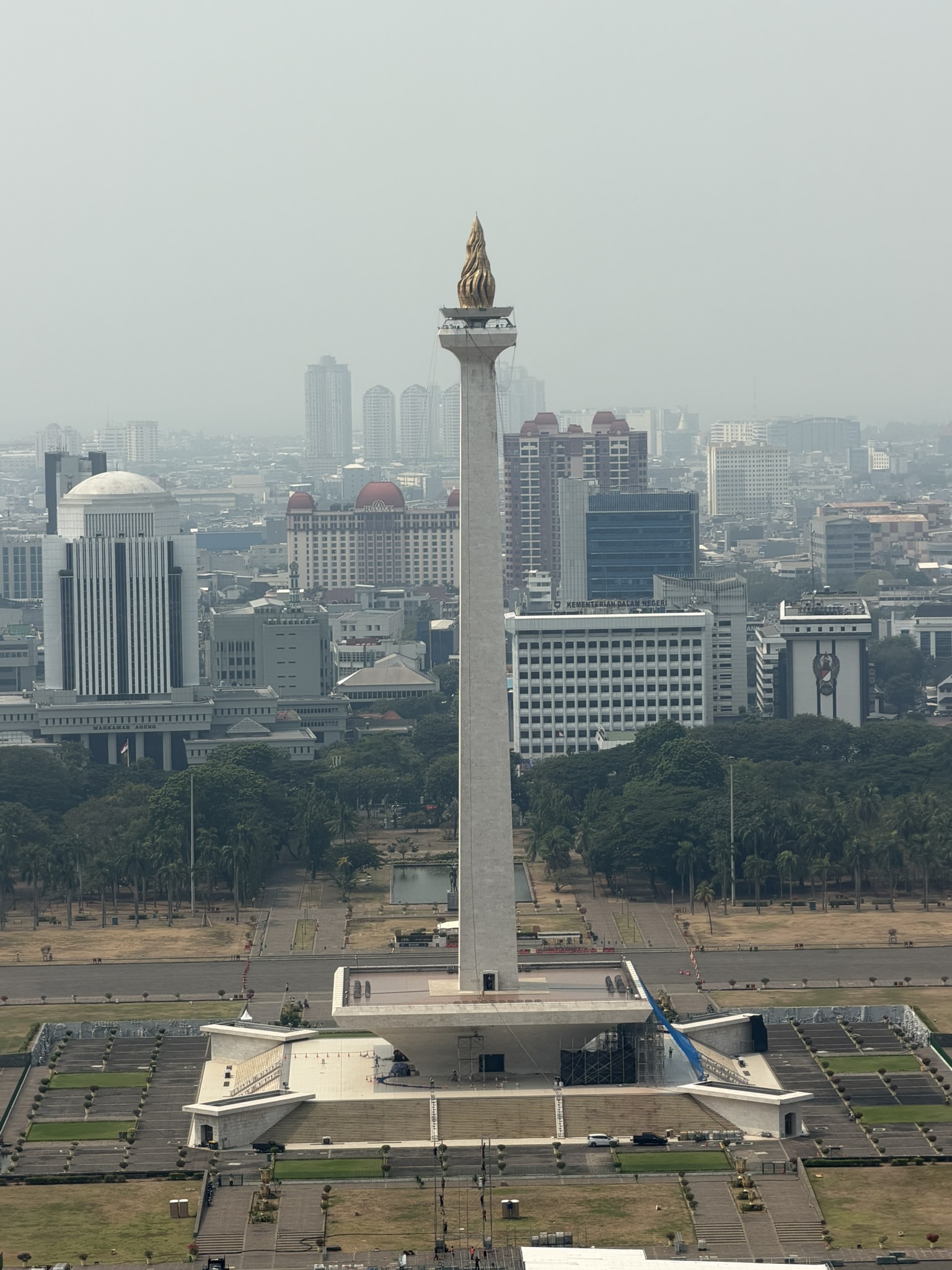
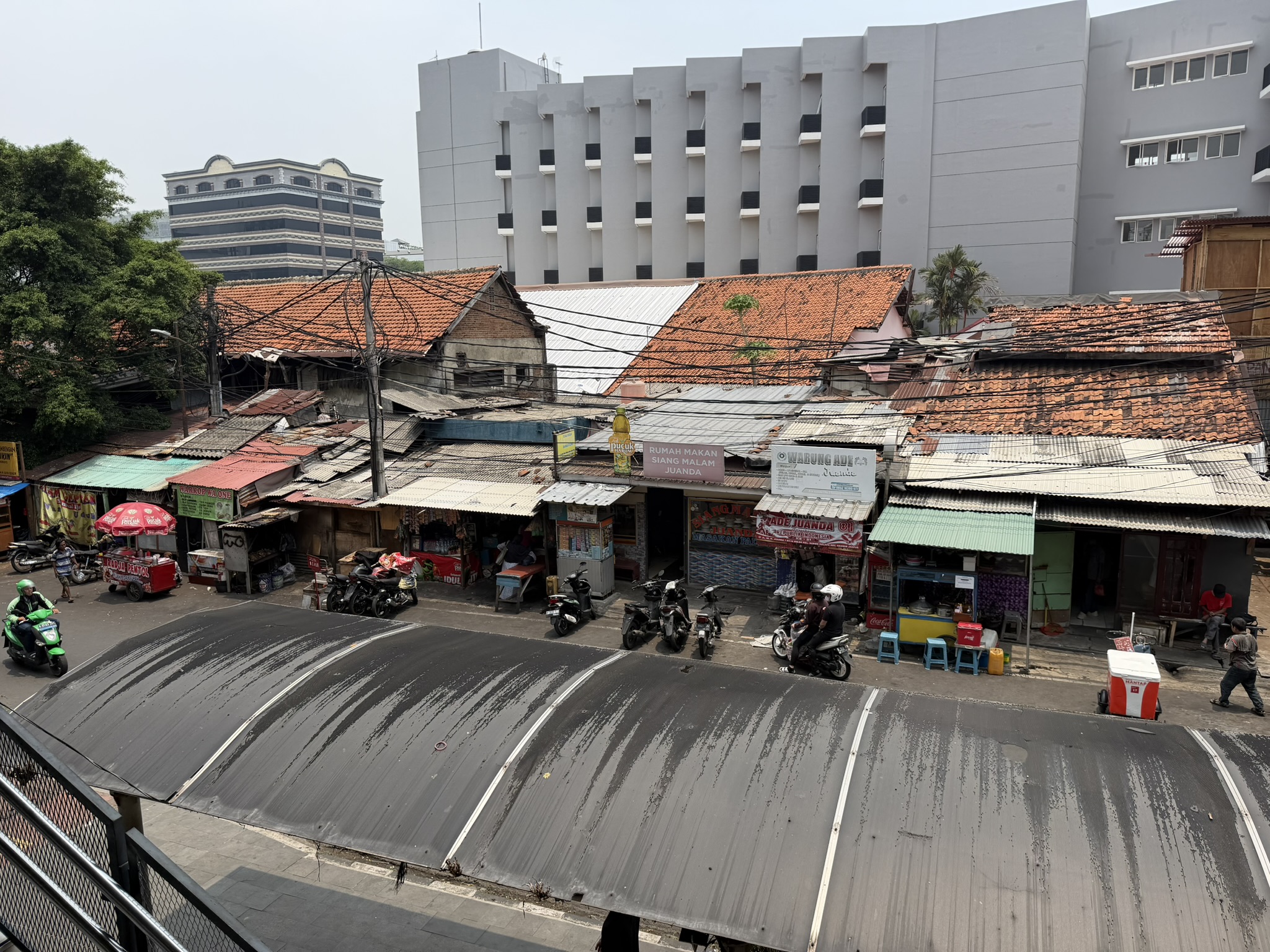
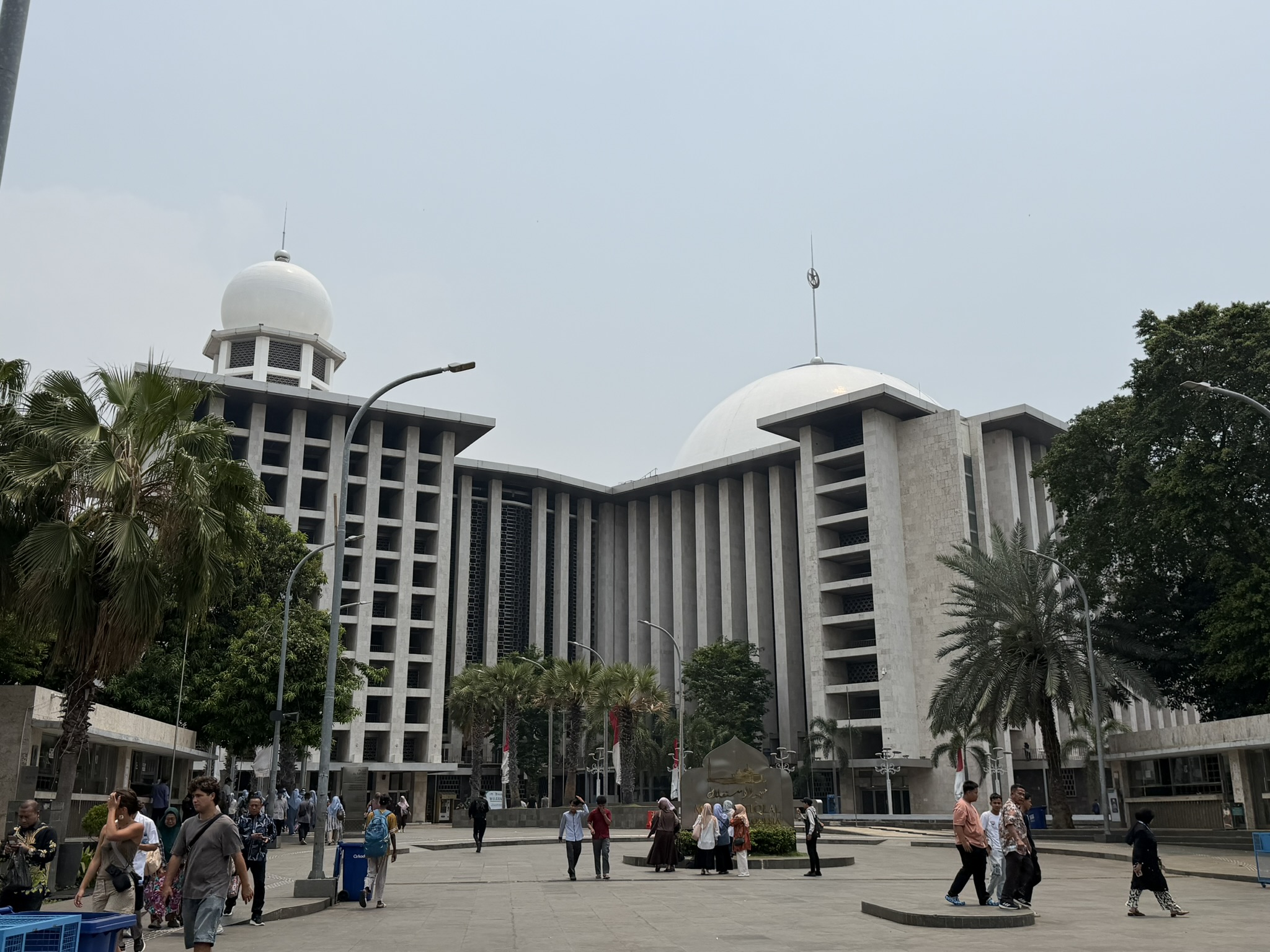
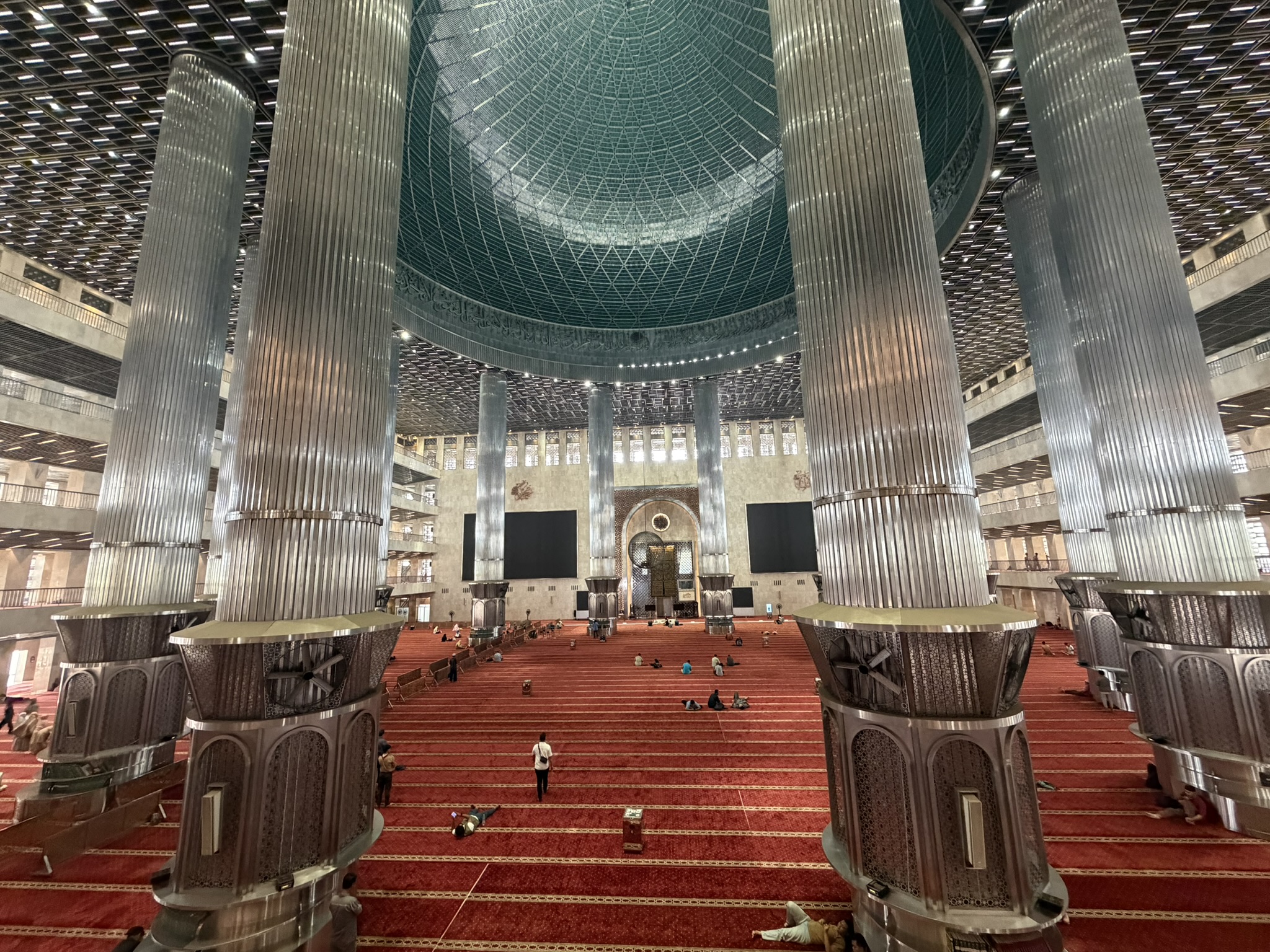
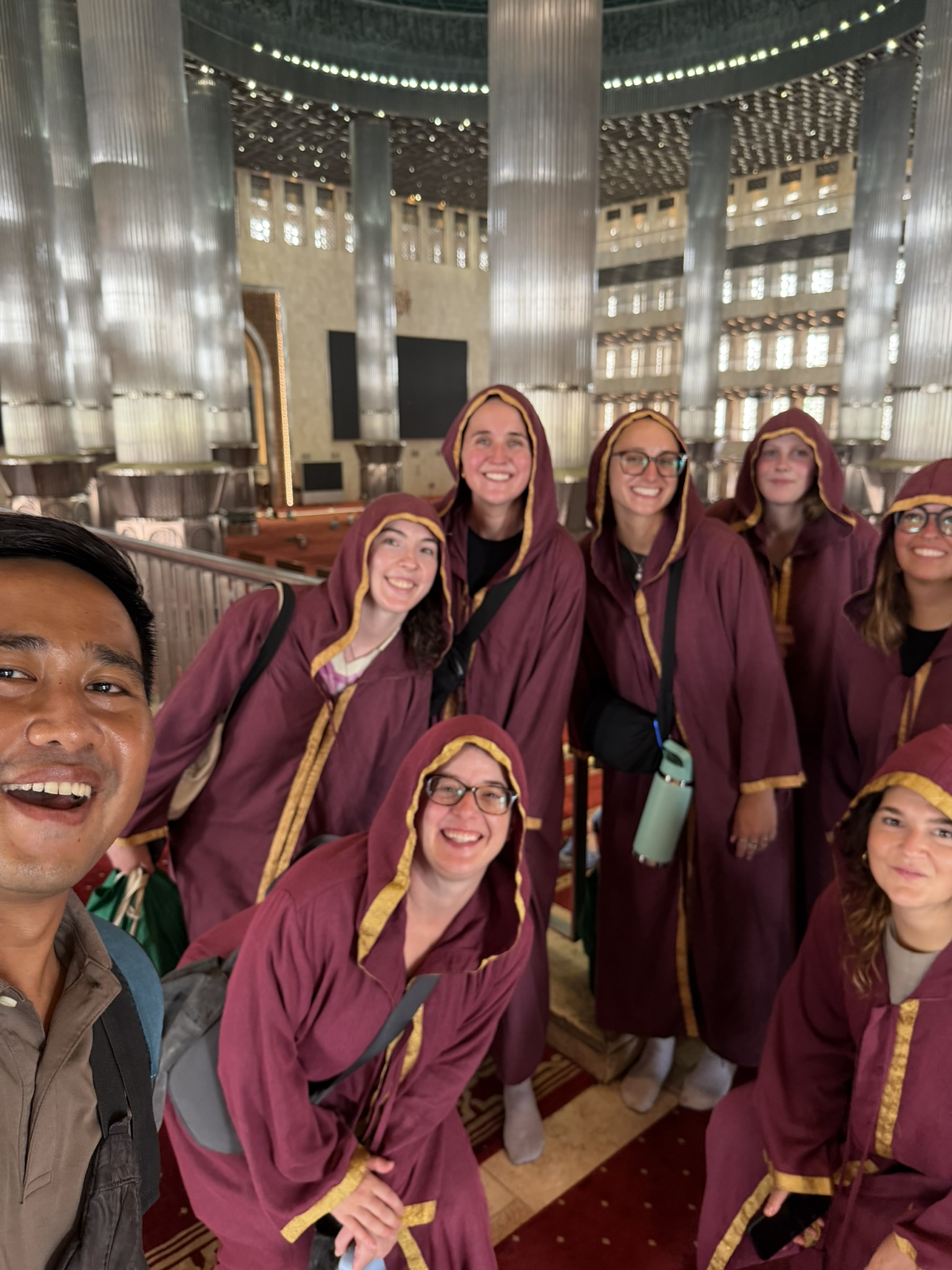
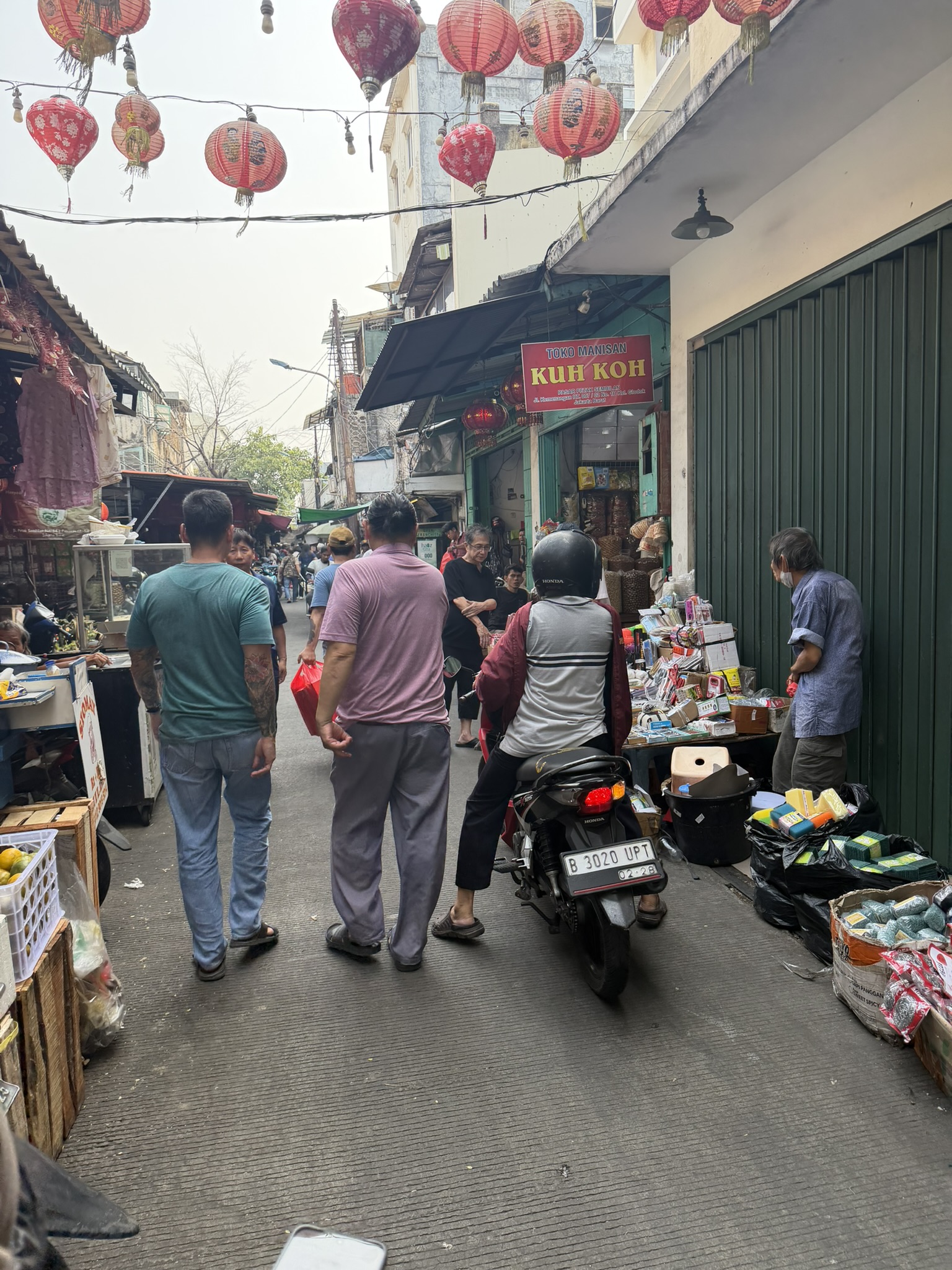
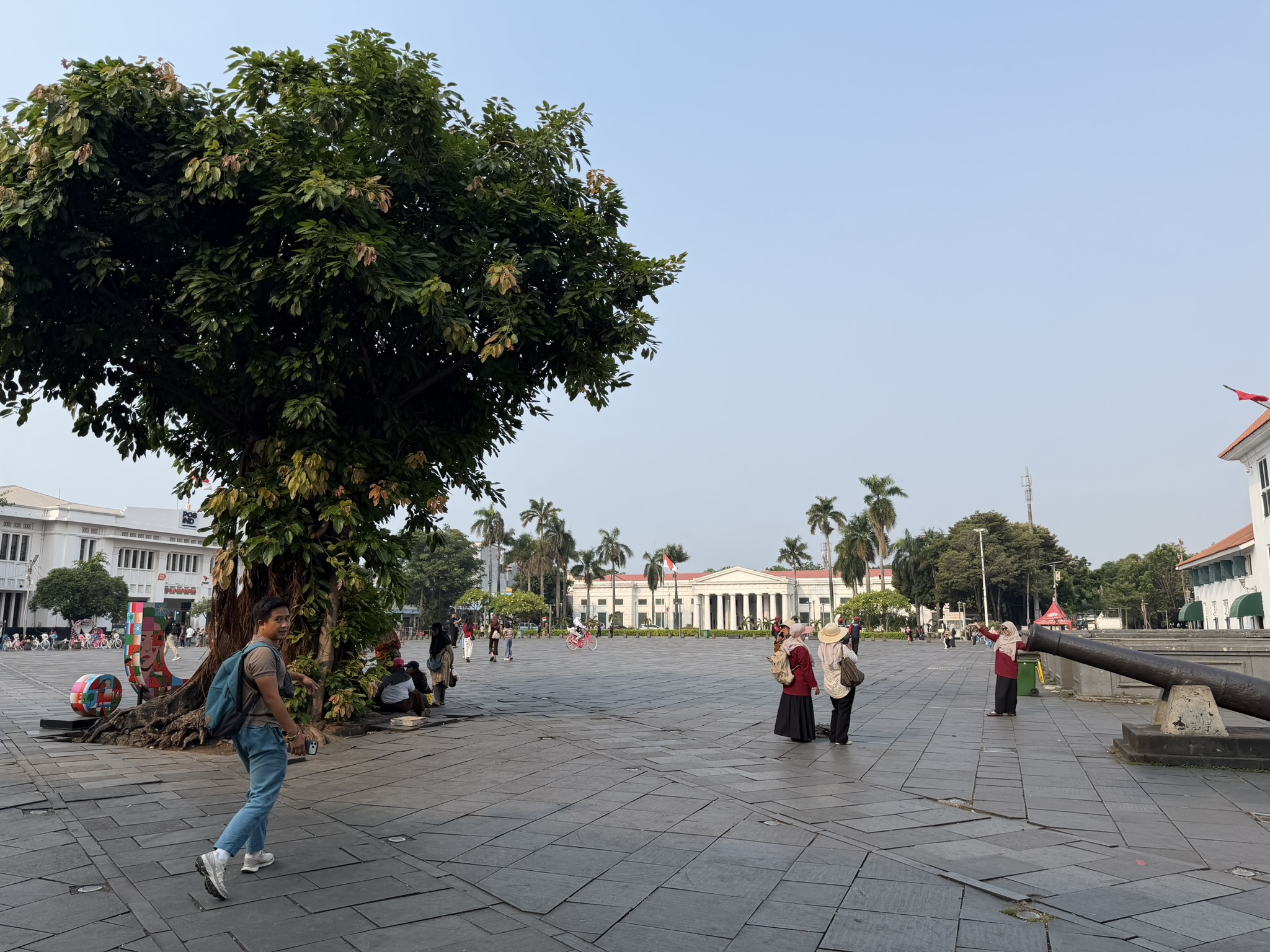
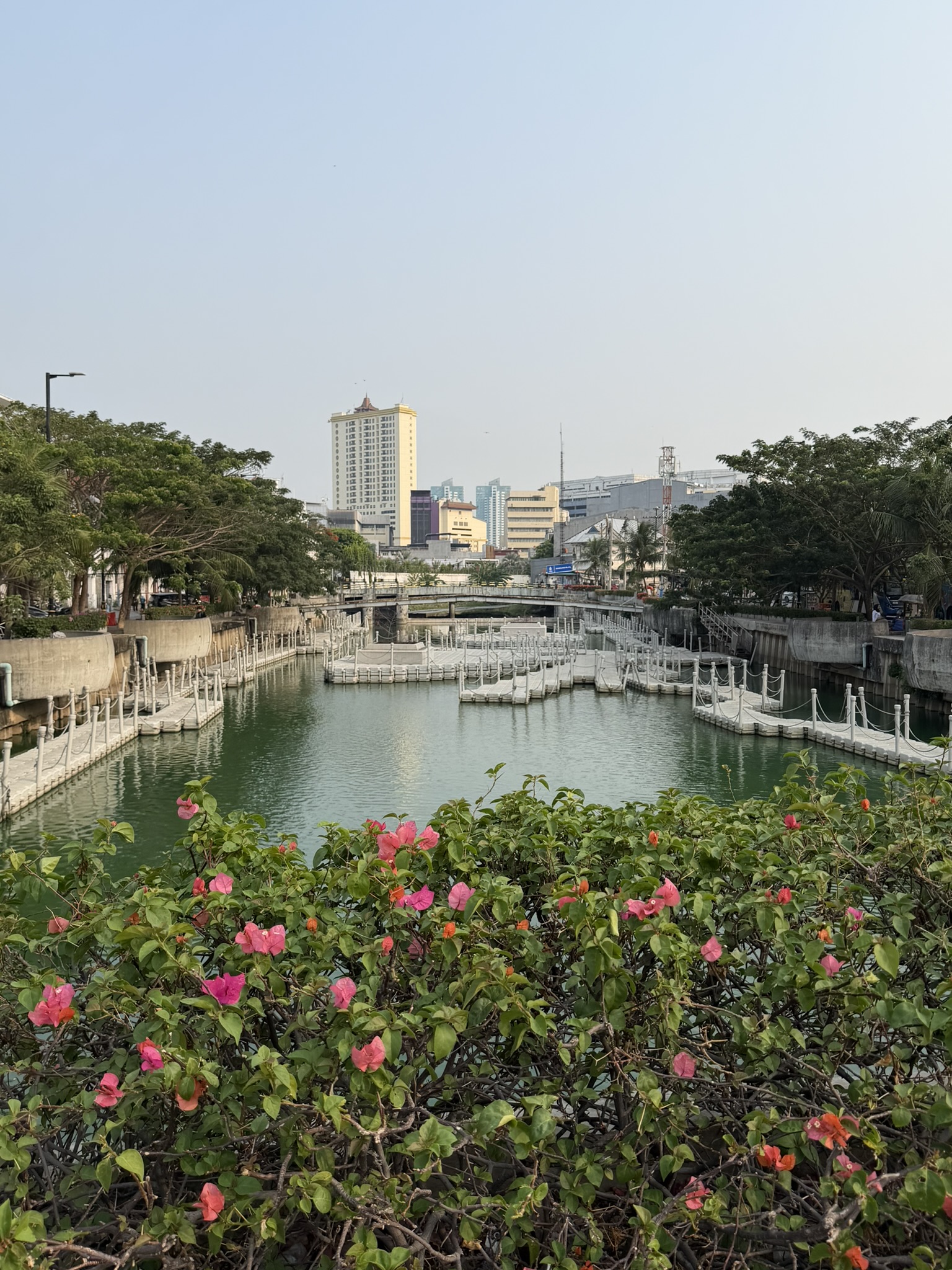
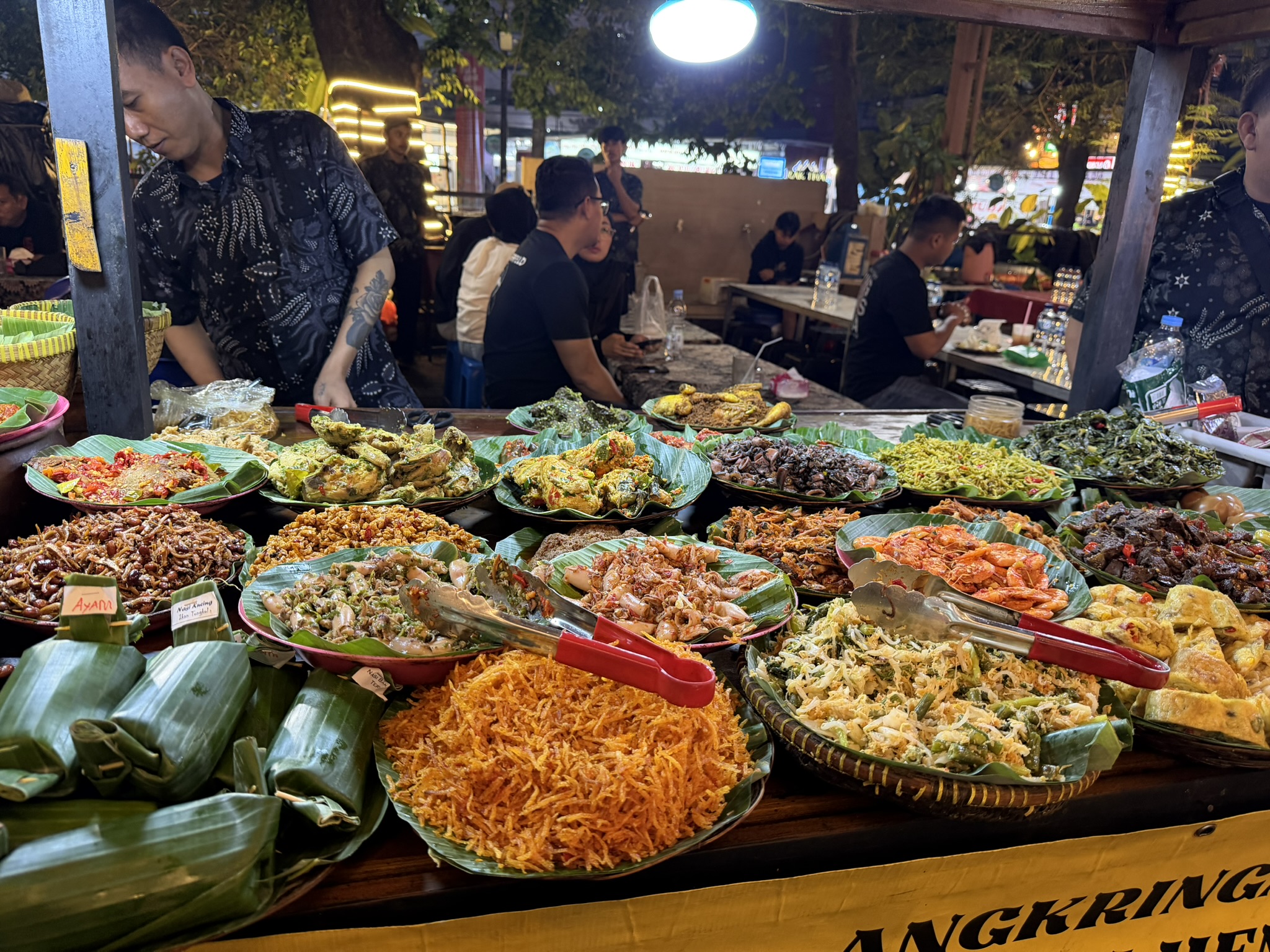
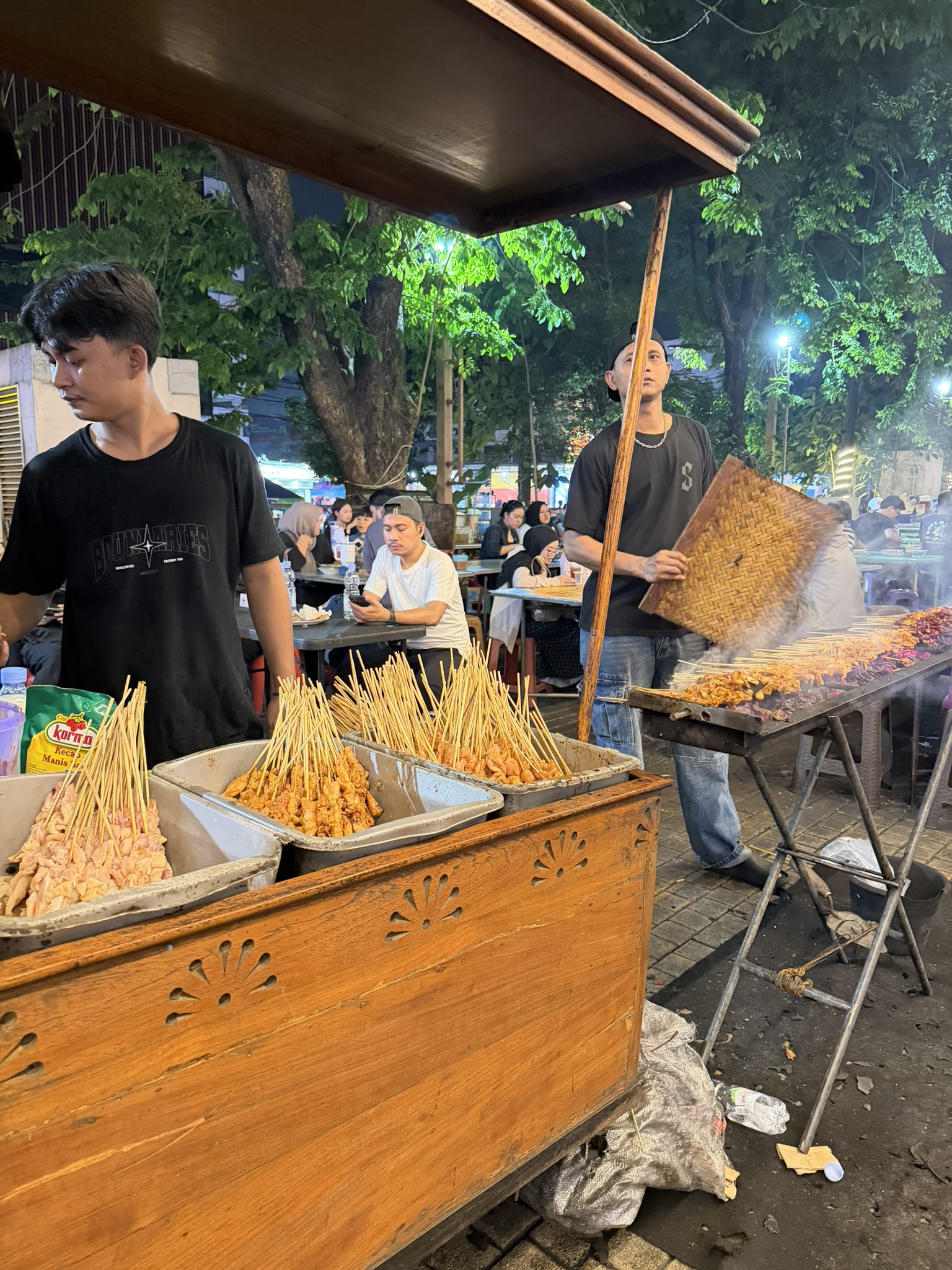
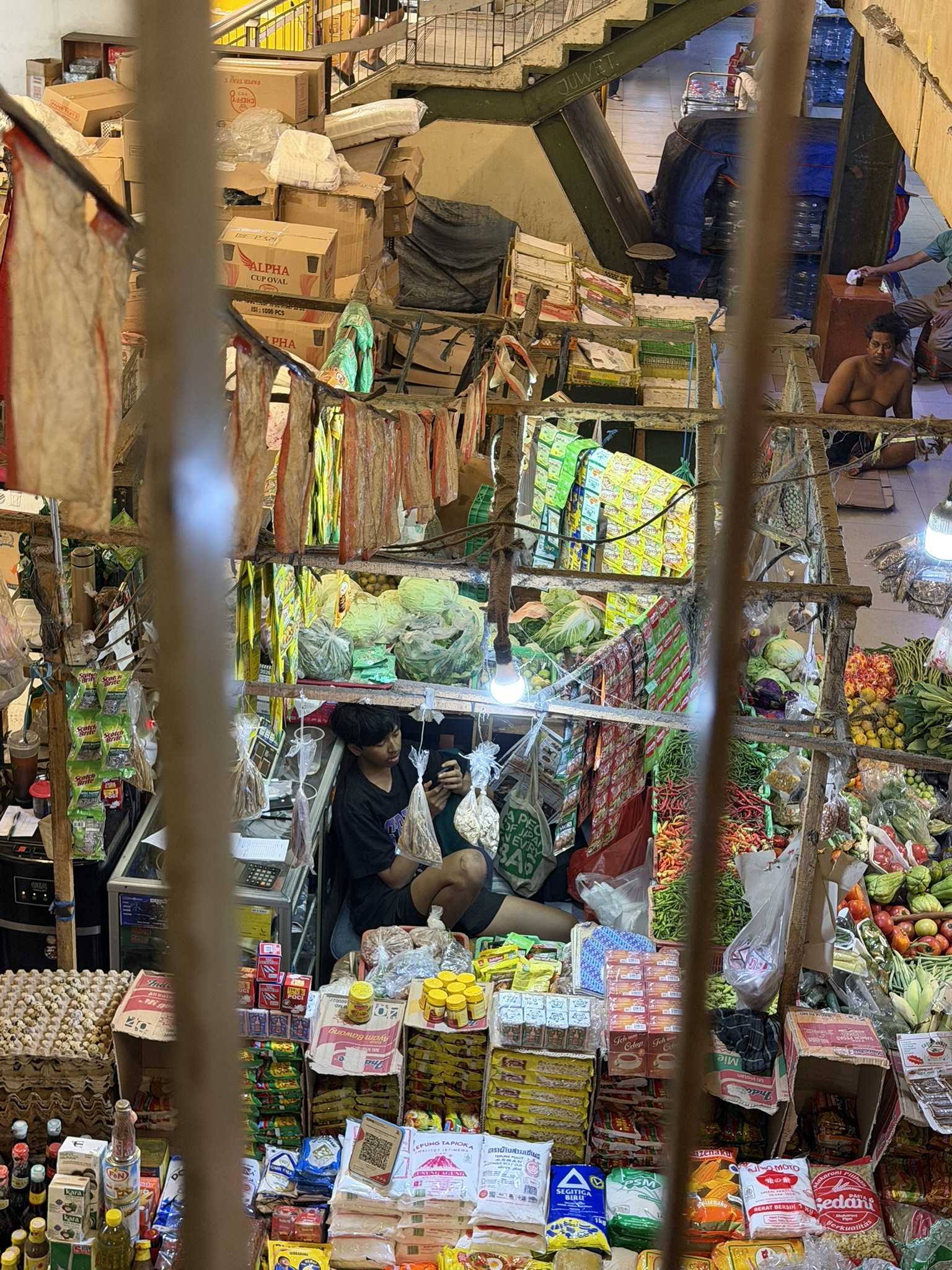
So what’s it like in the biggest city in the world? Like most cities, it depends where you go. Cities unfold block by block and neighborhood by neighborhood. The center, with its large decorated buildings like the Presidential palace and the Istiqlal Mosque — the third largest in the world. Women are given a smaller part of the massive red carpeted floor to pray on, because for many years the women just stayed home all the time and prayed there. I donned a borrowed red hooded robe to enter, making me feel like a nomad in a Star Wars movie. Then in Chinatown, narrow alleyways lead to hidden temples while people display their livestock for purchase: snapping turtles (for meat) and bats (for pets). Bloc M in the south, where the young people hang out and eat street food from tiny dense stalls. The Old Town, with Dutch architecture and a canal betraying the country’s long history of being colonized by multiple European powers. Snapshots along the road of dilapidated buildings while traffic consistently overwhelms.
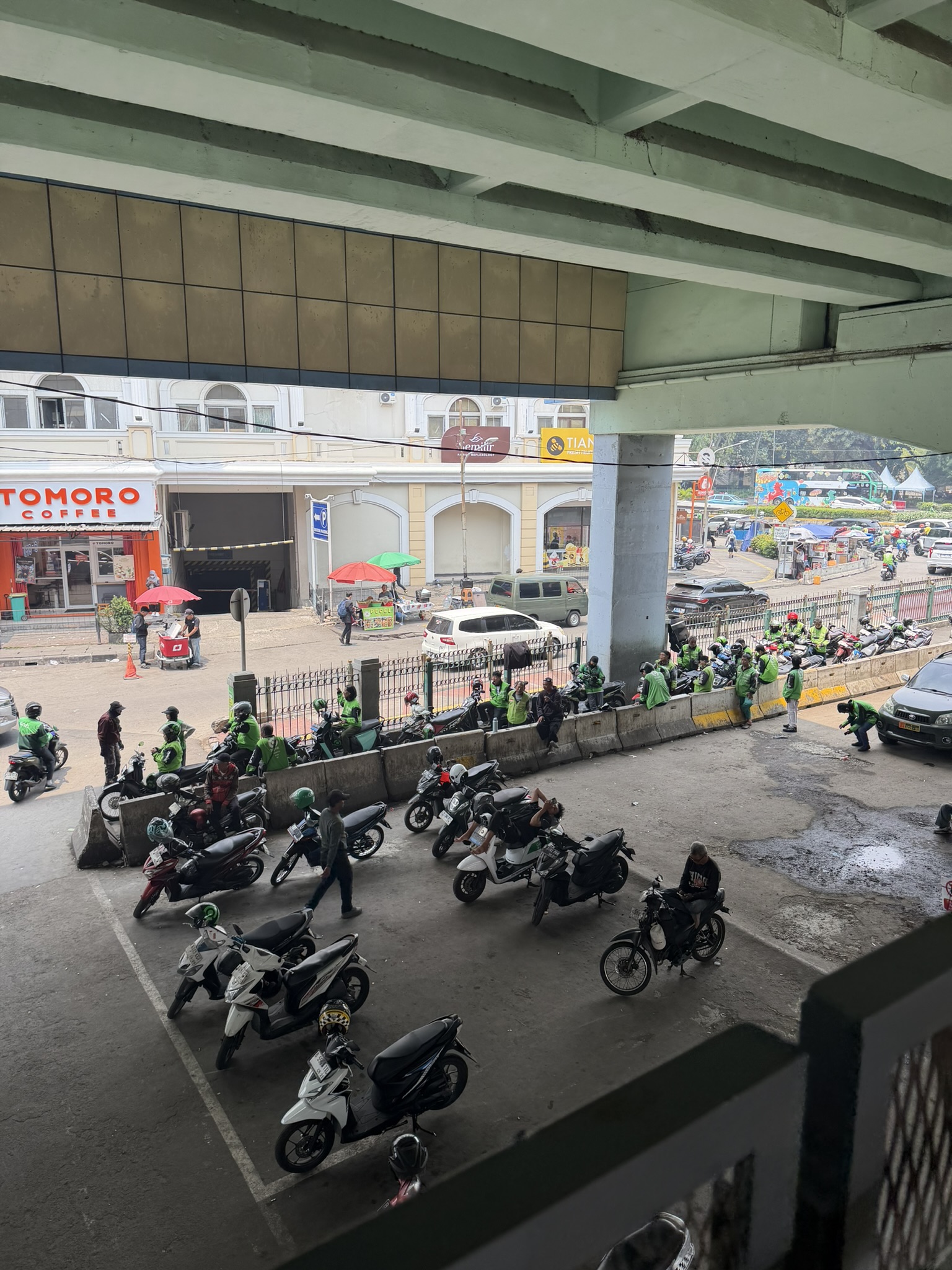
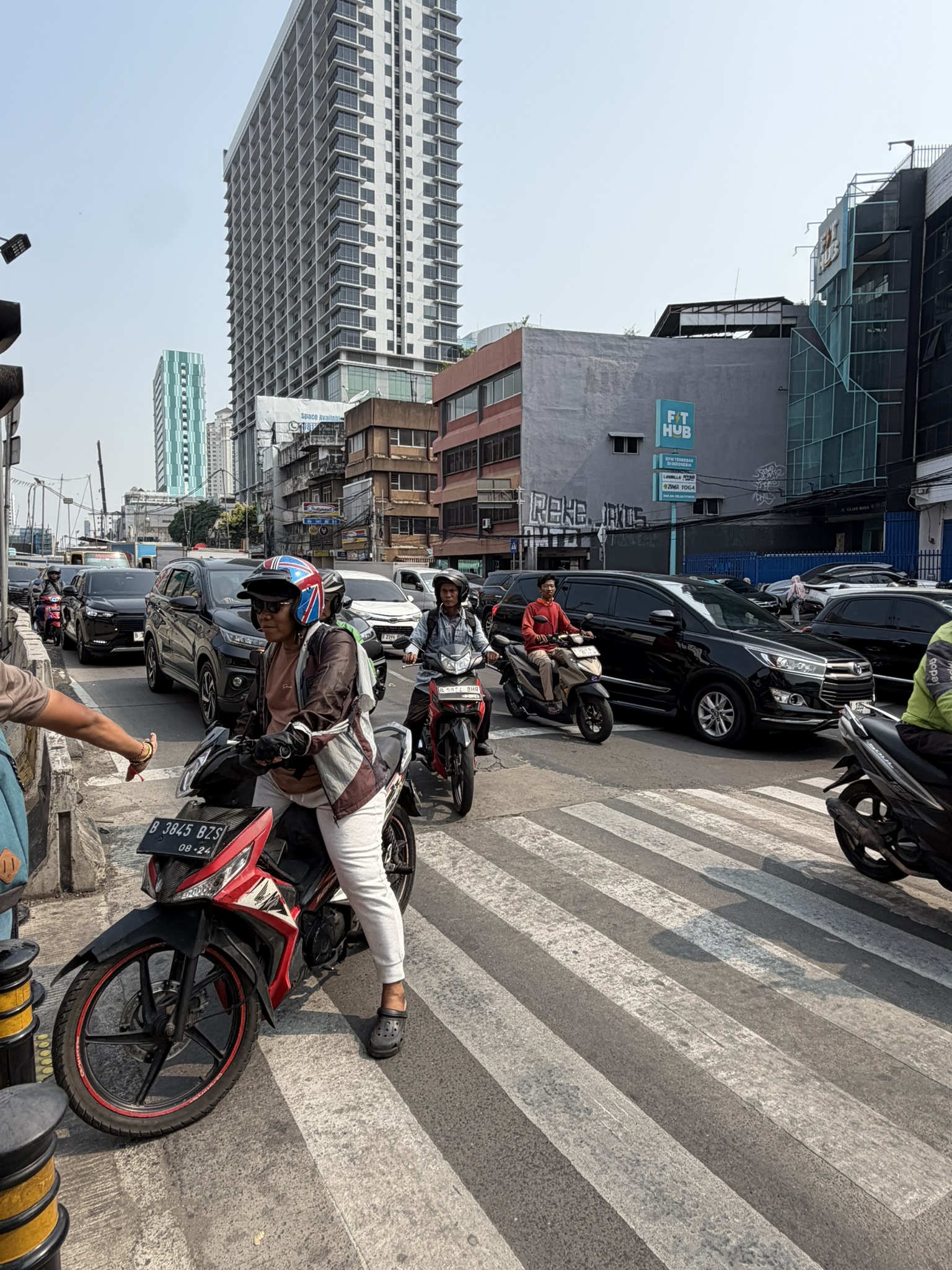
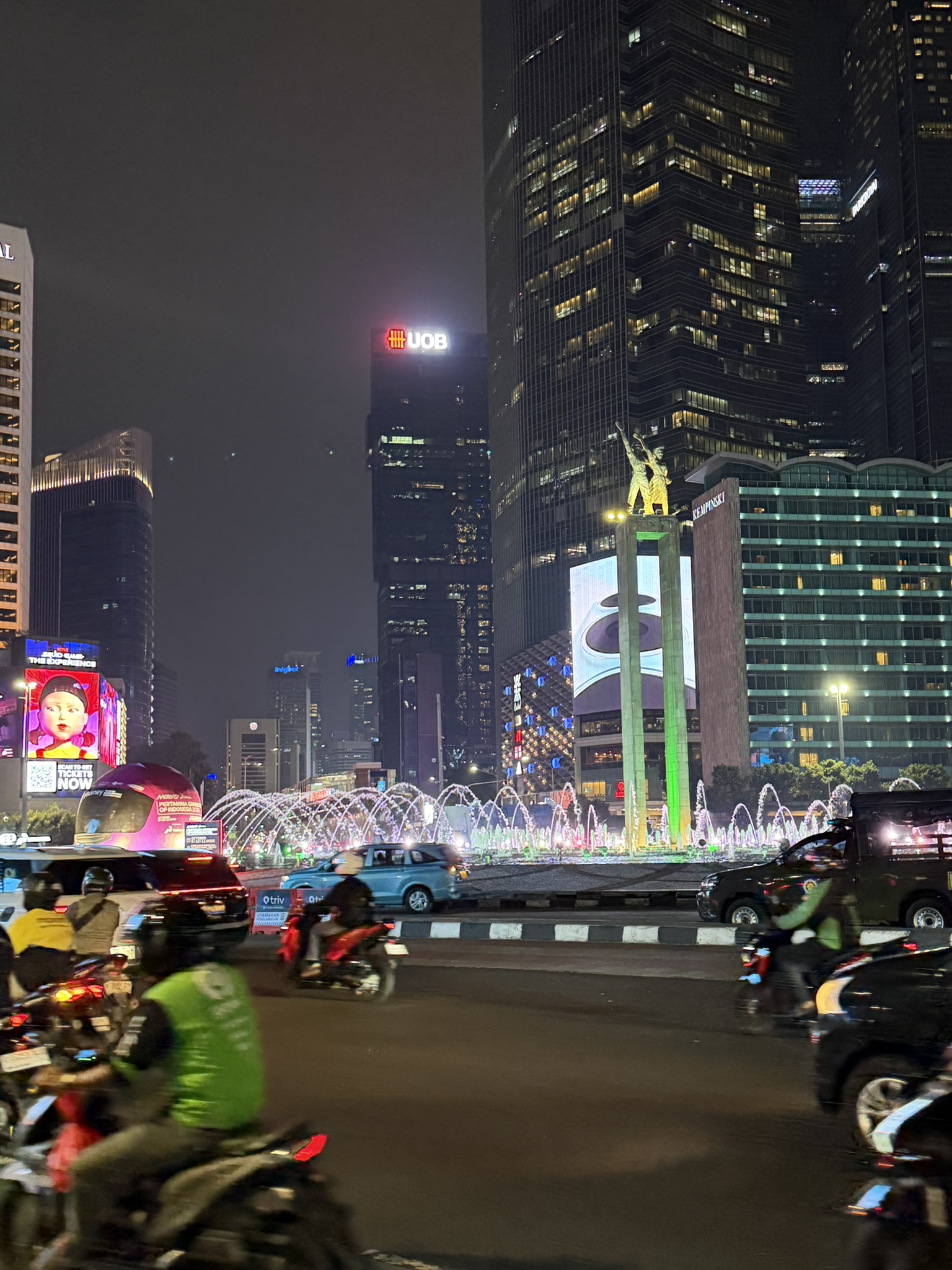
And cities must connect. There’s a bus and train network, and even some BRT lanes that are fairly efficient. Half of one underground metro line has been in operation since construction began in 2015. But it seems that most people don’t get around by transit. Rather, it’s scooters all the way, and they are everywhere. I thought there were scooters clogging up the narrow streets in Europe, but that was nothing. I get dizzy studying them from the backseat of my airport taxi: men and women speed around cars and pedestrians, some loading passengers on the back who seem to balance easily without holding on to anything. I am fearful for the day when I will need to get a taxi scooter, likely inevitable over the next few months. At least there’s a reliable rideshare app I can use in Asia called Grab, making life just a little more comfortable. Crossing the street is an art, and I learn that holding up a hand to vehicles is the way to go.
The smog permeates all and never goes away. Maybe half the people wear protective masks. They say it’s worse because of Krakatoa being active right now. I don’t know where that is and honestly thought it was a fictional volcano. Perhaps it’s a different kind of air pollution here than the fire-based haze. Some of it is caused by illegal agricultural burning. My mask is glued to my face outside despite the extreme heat and humidity. It’s not helped by the modest clothing I opt to wear to blend in, but at least the sun doesn’t feel so strong through the polluted air.
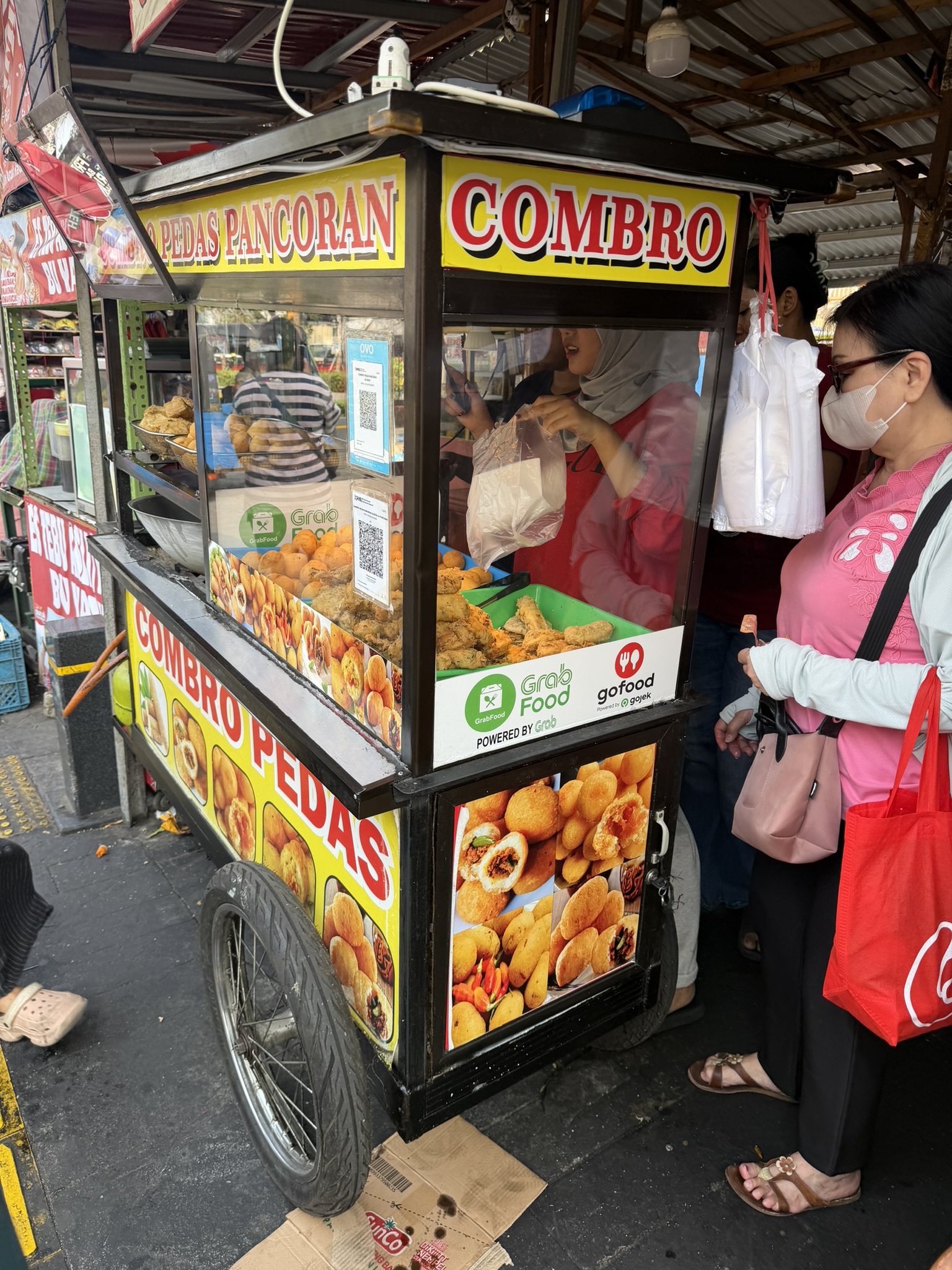
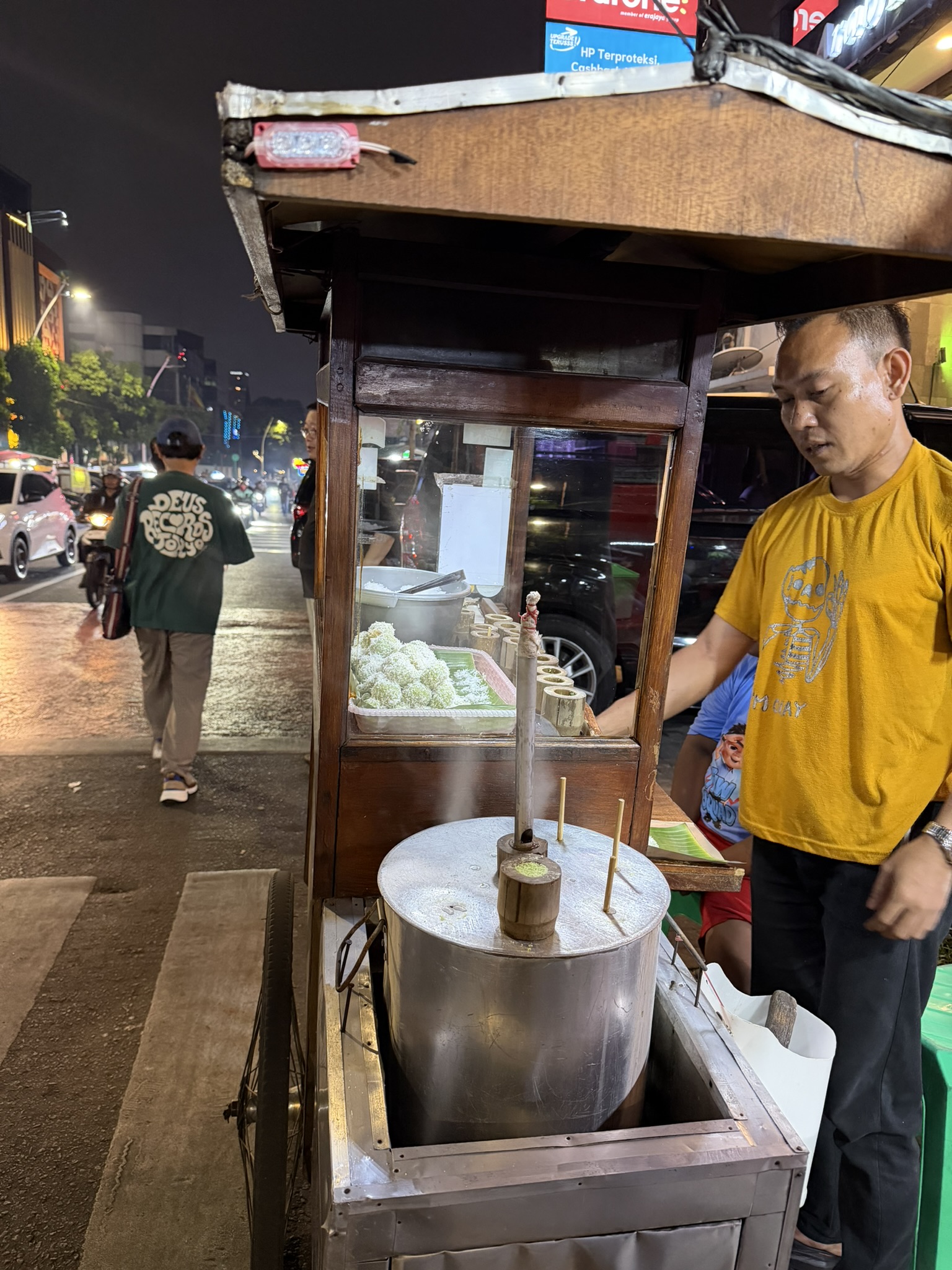
Indonesia gained its independence following World War Two in 1945. About 80% of the population of Java is Muslim, the rest are Chinese and some Christian. Inter-religious marriage is prohibited by law and one person must convert before tying the knot. Barack Obama lived in central Jakarta for four years as a child and there is still great pride over this. A street food vendor tells me in broken English that he likes my country but does not like my president because all he wants is power, and he acts surprised when I agree with him. Bale-hunters describe Indonesians who are seeking a white spouse so they can get dual citizenship in Europe or elsewhere, and produce more white-skinned children, which is seen as the ideal beauty standard. I suspect they are not interested in Americans at the moment.
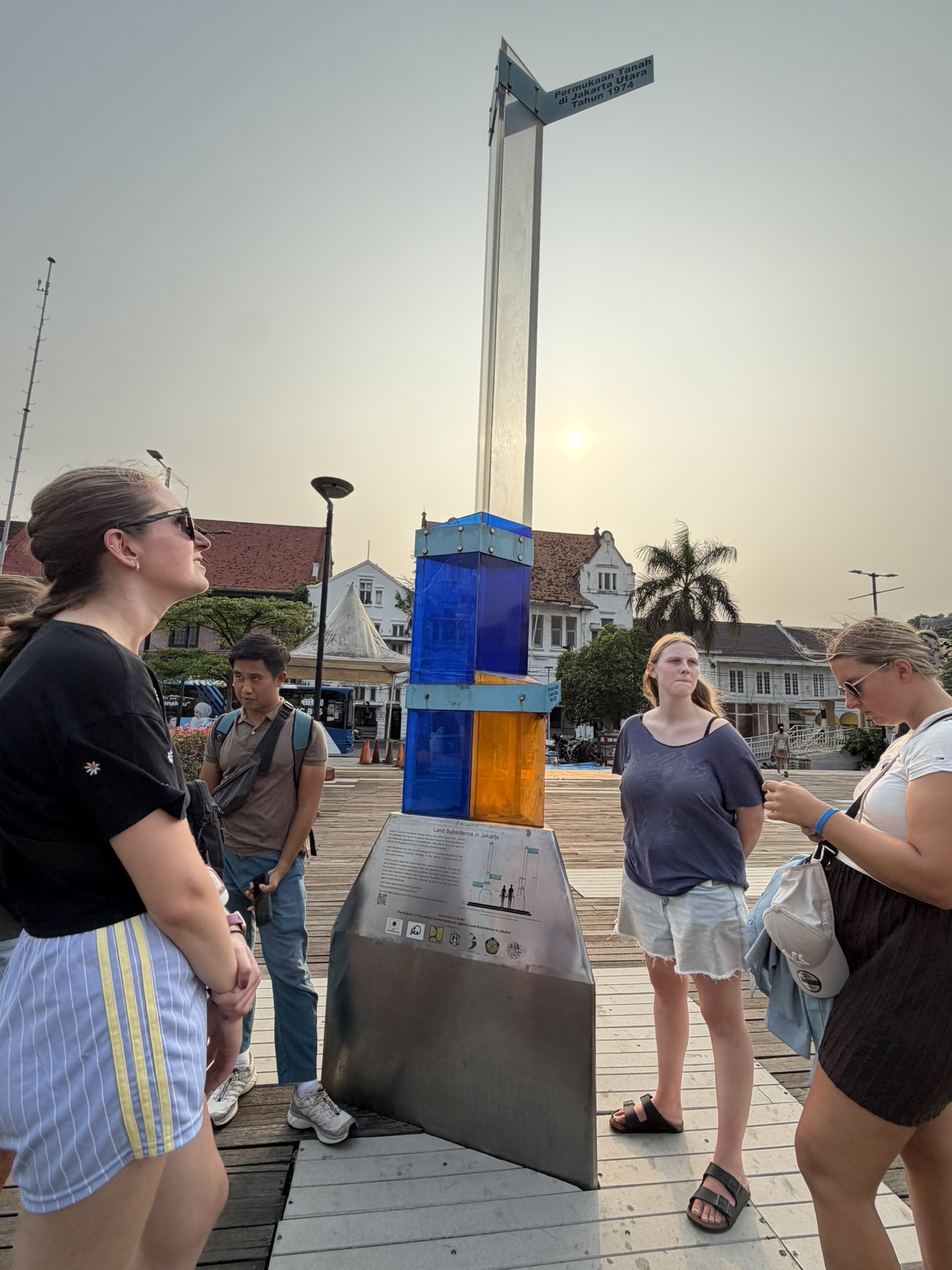
Jakarta is also sinking. A guide tells me that it is the fastest-sinking city in the world, caused by the weight of all the skyscrapers and climate conditions. A small statue shows the sea level difference since 1974: just 50 years later the city is now 14.5 meters lower than before. Some areas flood and people lose their homes; the government provides free housing for displaced people as long as they pay the utilities. Otherwise, there does not seem to be any kind of mitigation or adaptation going on. This makes me outraged. My tour guides don’t seem to echo my anger so much and I try to rein it in in front of them.
Indonesia began building a new capital city on the island of Borneo in 2020, but this seems mostly for government offices and jobs, and it has not yet taken off or successfully incentivized anyone to move there. There is some national debate over the environmental impact of building a new city and displacing trees and wildlife, but the status quo of overpopulation seems to be at a severe tipping point.
Indonesia is reputed to be a “developing” country. I have yet to learn the extent of what that means, but I think I begin to feel it in the complacency of the people and the dry cultural vibe. And I imagine it relates to the things that bother me related to climate inaction and poor air quality. Oh and don’t ever drink the tap water and be careful with ice. At least everything is really cheap for me. My next stop will bring me to Yogyakarta, known as the cultural heart of Java, and I am looking forward to seeing what that means, hopeful that my introduction to Indonesia is not indicative of the entire nation.