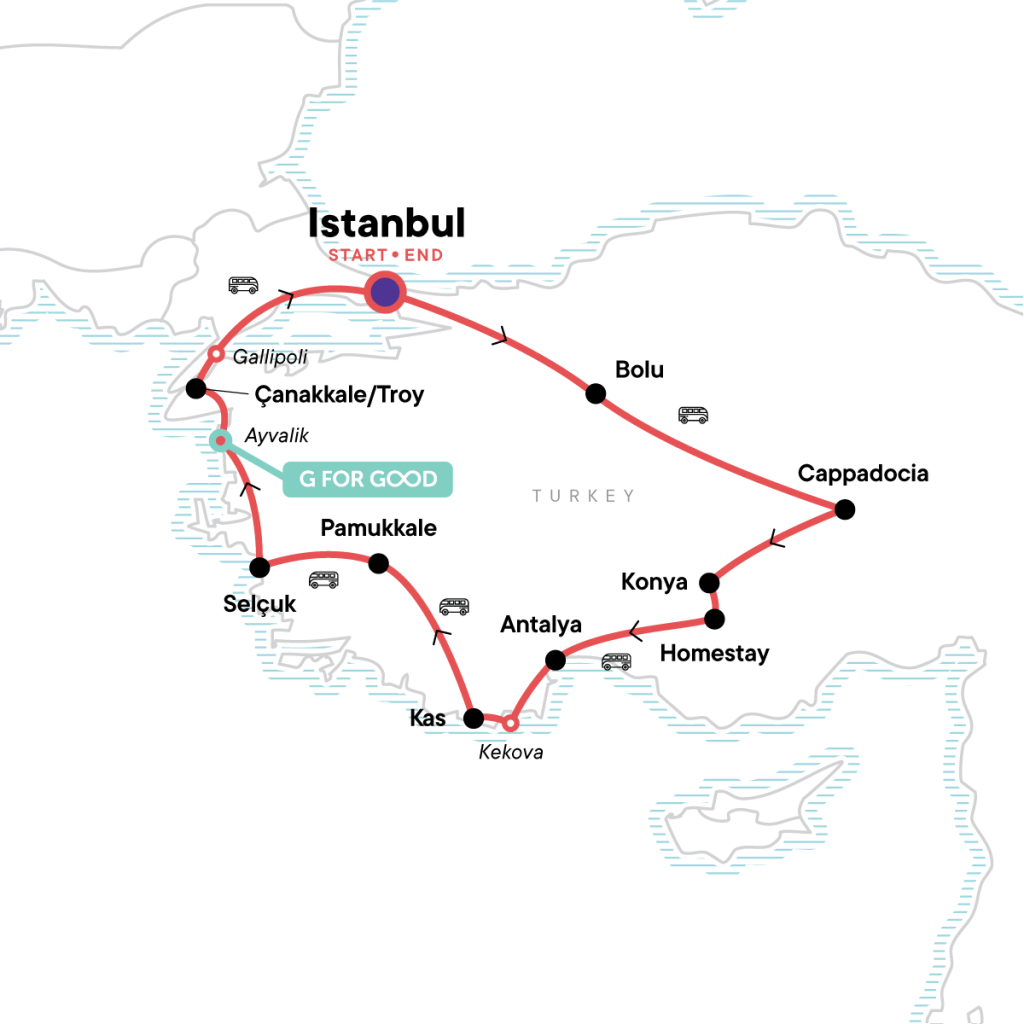
I did SO MUCH in Turkey! Beyond Istanbul and Cappadocia, there were so many stops and surprises, and so much deep history to explore. Here is the map of our 15-day tour:
And here are some of the highlights:
Atatürk Mausoleum
Mustafa Kemal Atatürk is the founder of modern Turkey, which began in 1923, after a very long history of Ottoman Empire rule, the Greek Byzantine era, Roman control, and still others. He is revered across Turkey, still appearing generously on flags and in statues. Incidentally, we are told that the newer spelling of “Türkiye” was made a few years ago in order to avoid confusion and ridicule relating to the North American bird. So I stick with Turkey for now.
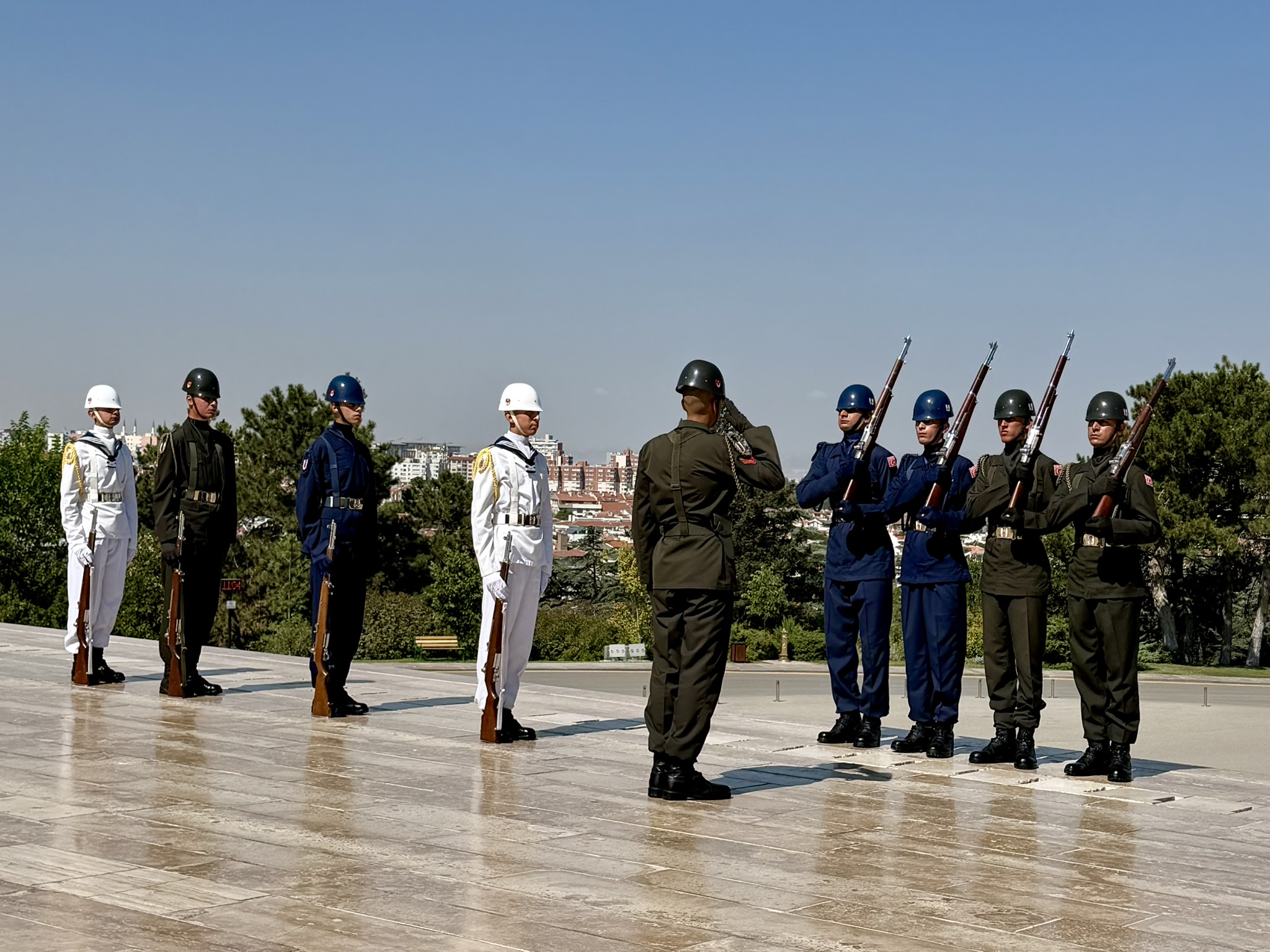
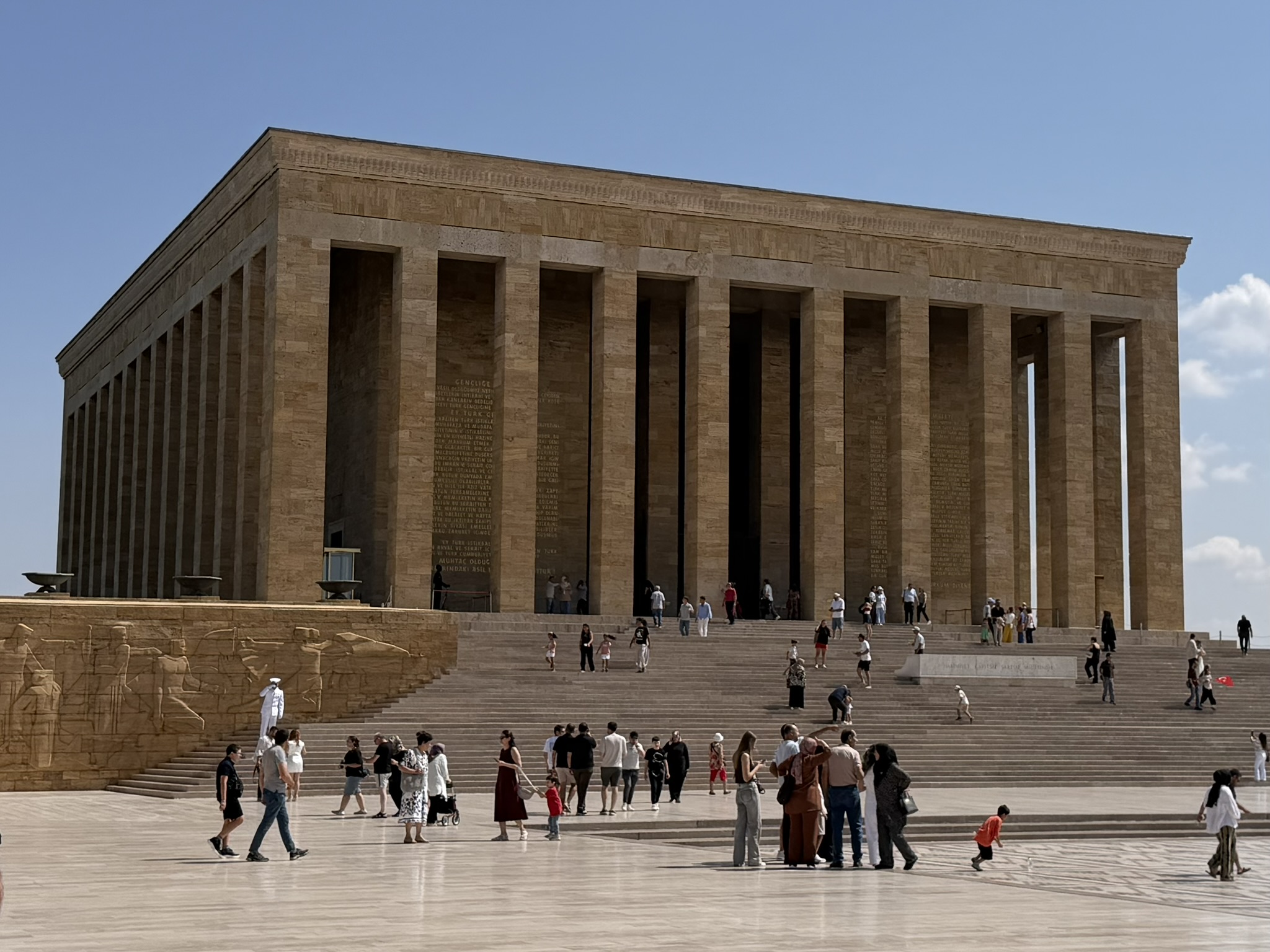
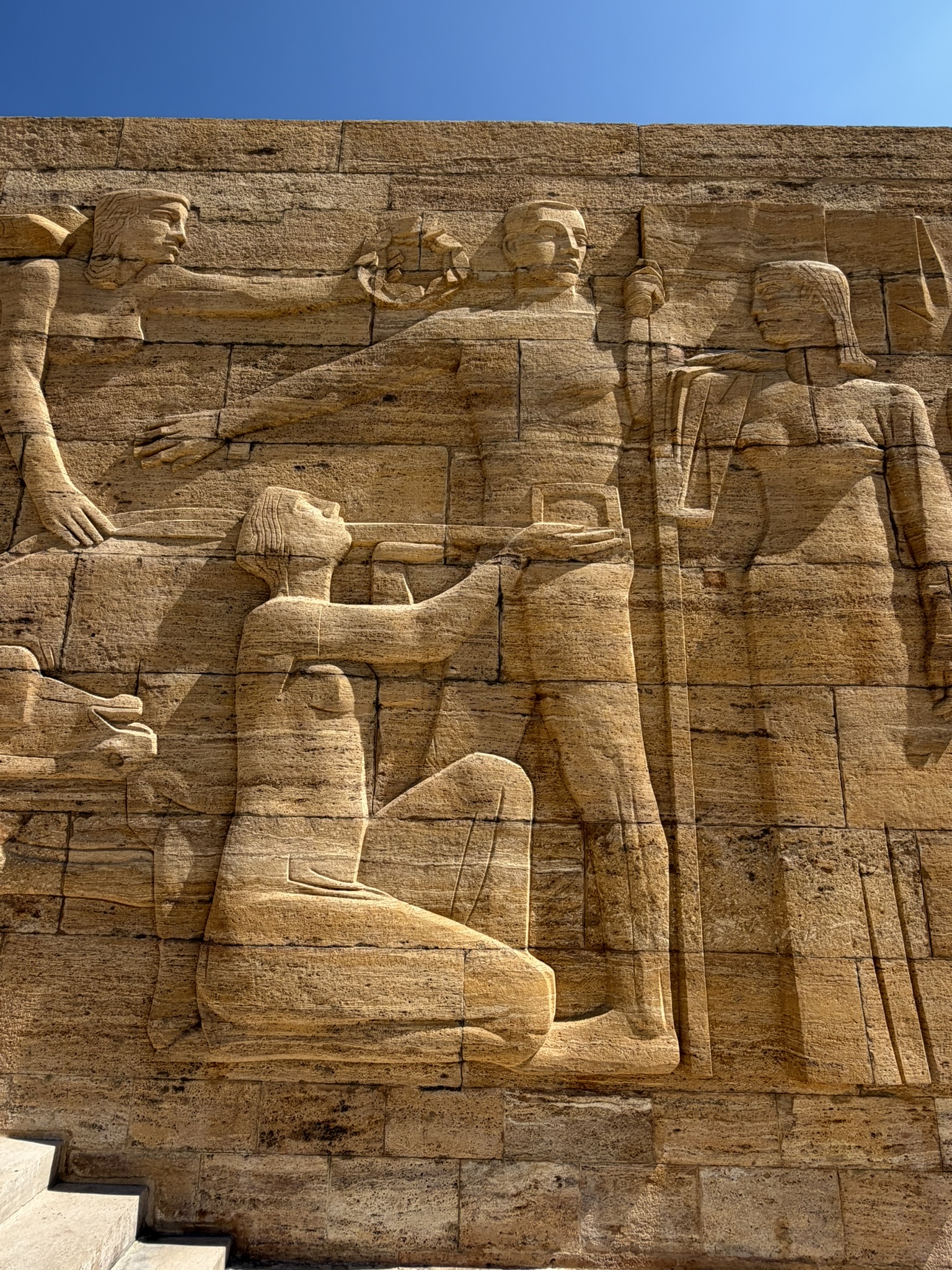
We visited Atatürk’s mausoleum site during a midday stop in Ankara, the nation’s capital. We watched a sharp changing of the guards ceremony, saw some impressive statues meant to encourage equality between men and women, and then saw the mausoleum itself, housed in a massive structure that looked a bit like the Lincoln Memorial. There was a massive museum as well, all giving us a deeper appreciation of the development of the modern nation.
Pamukkale and Hierapolis
Pamukkale was one of the reasons I chose this tour, thanks to a photo I first saw at the travel show in NYC. It’s a unique geological rock formation of cascading pools, white calcified rocks that are filled by milky blue water coming from a natural spring. The pools overlook the valley of the sleepy town we stayed in, offering an amazing view. They are locally called the cotton cascades. Influencers line the viewpoints while travelers explore the parts of the pools you can carefully walk through. I loved it, my soul lighting up as I saw something in person that I had only seen in photos.
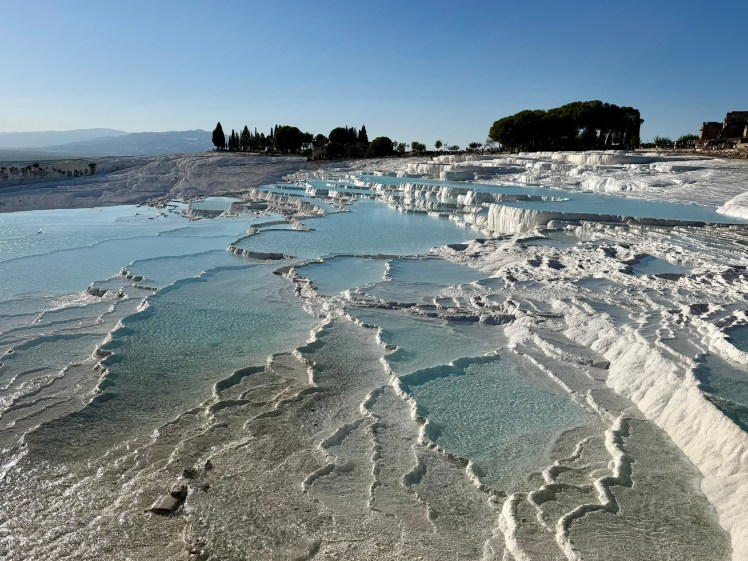
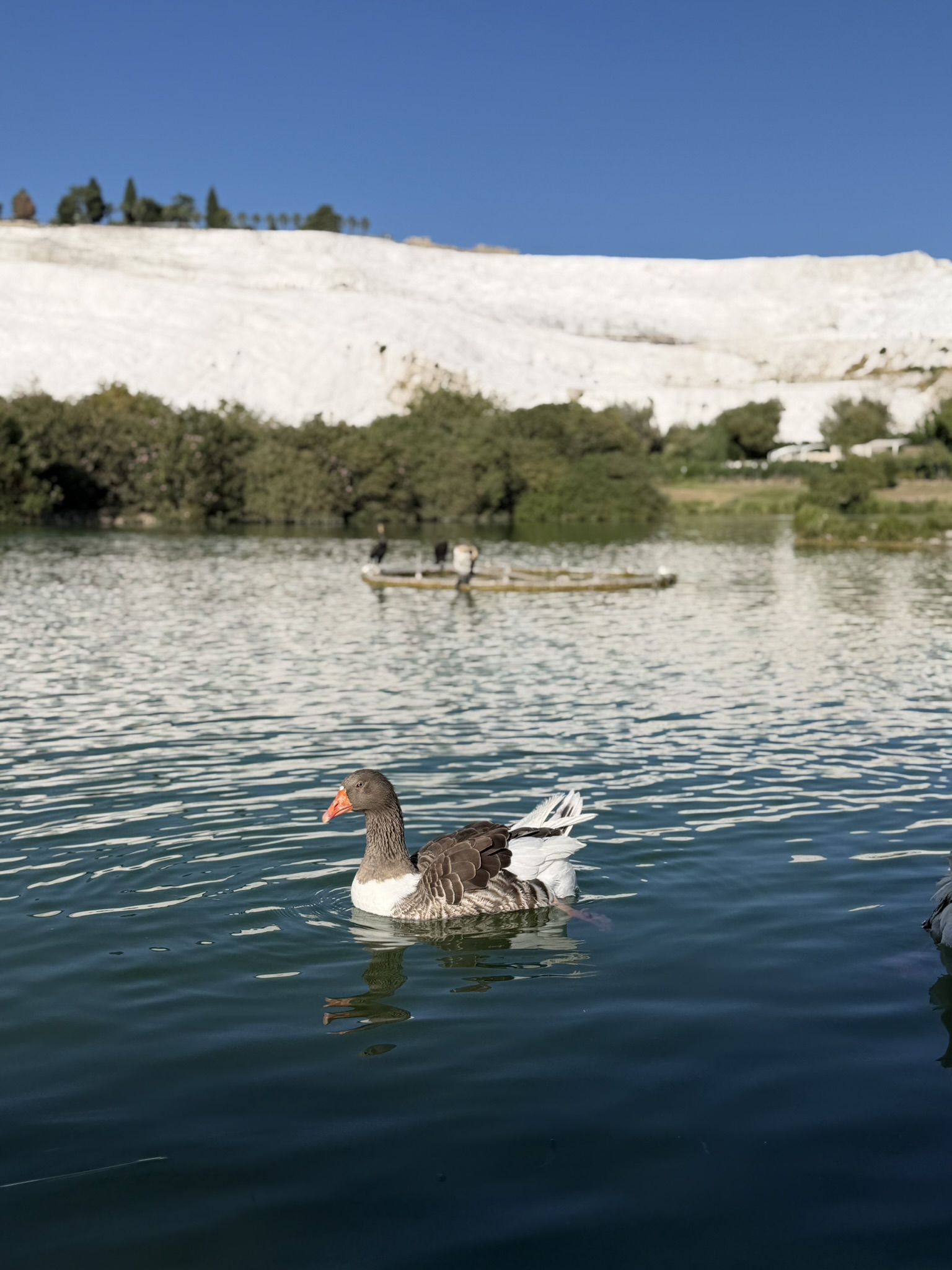
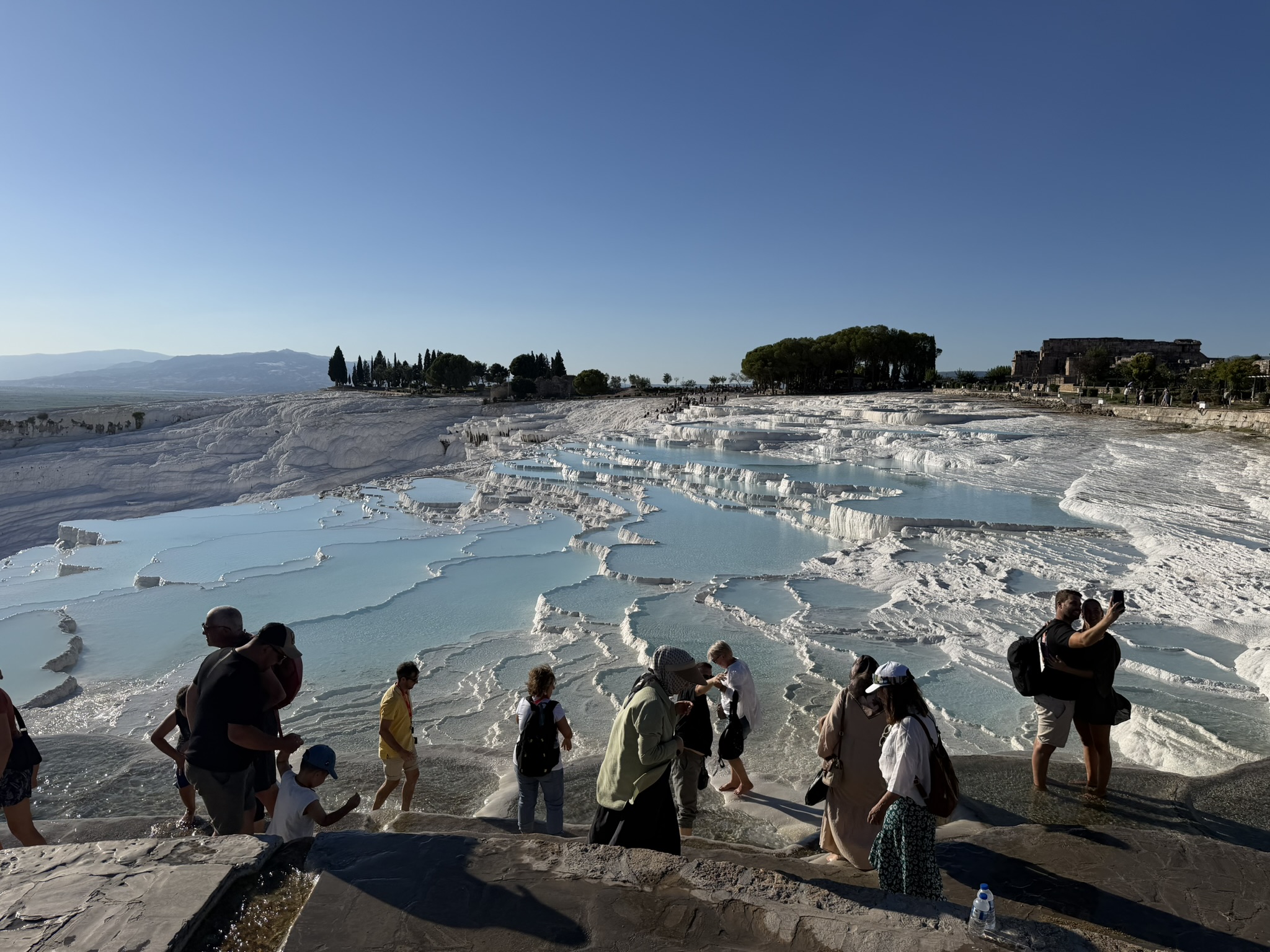
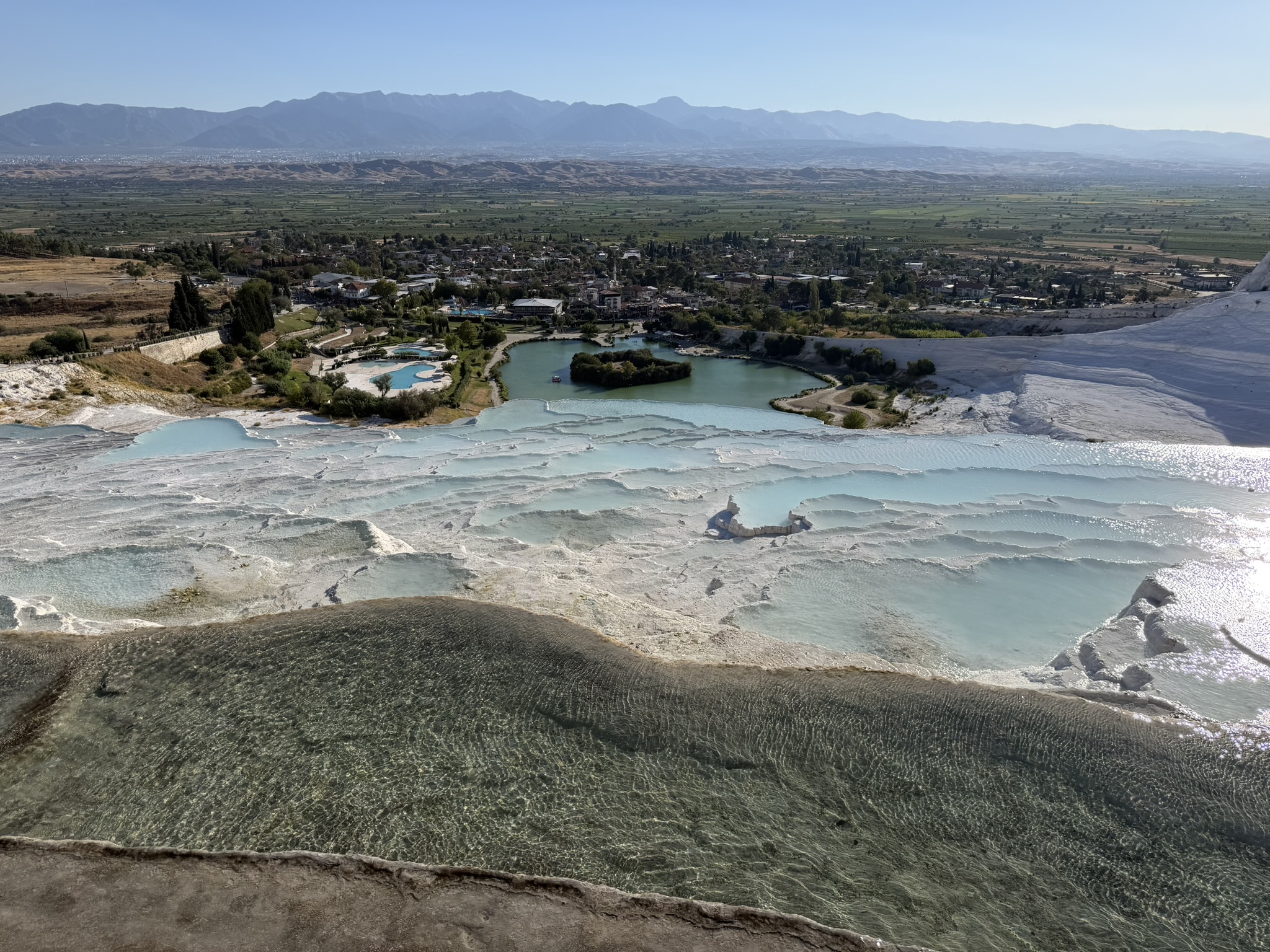
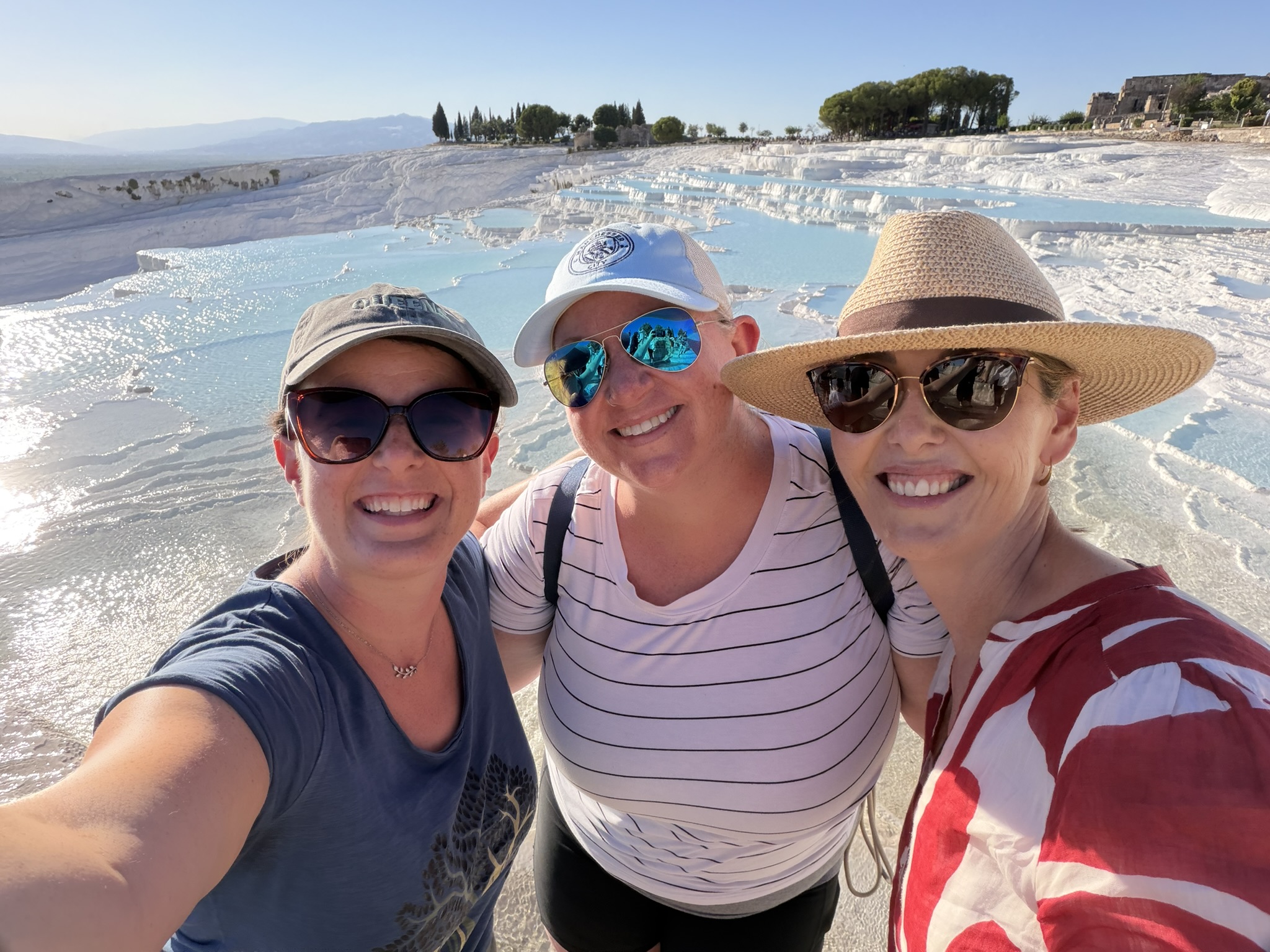
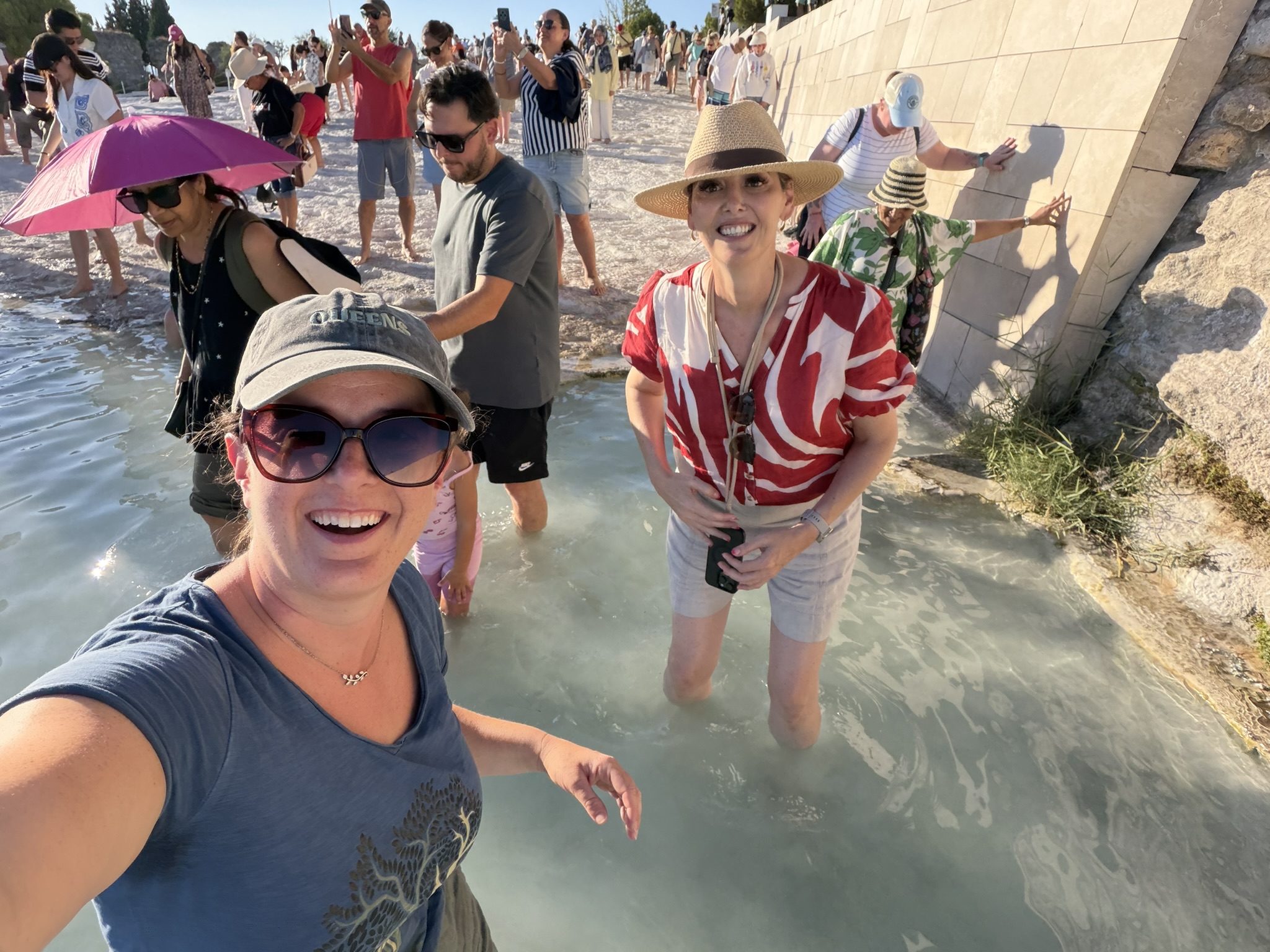
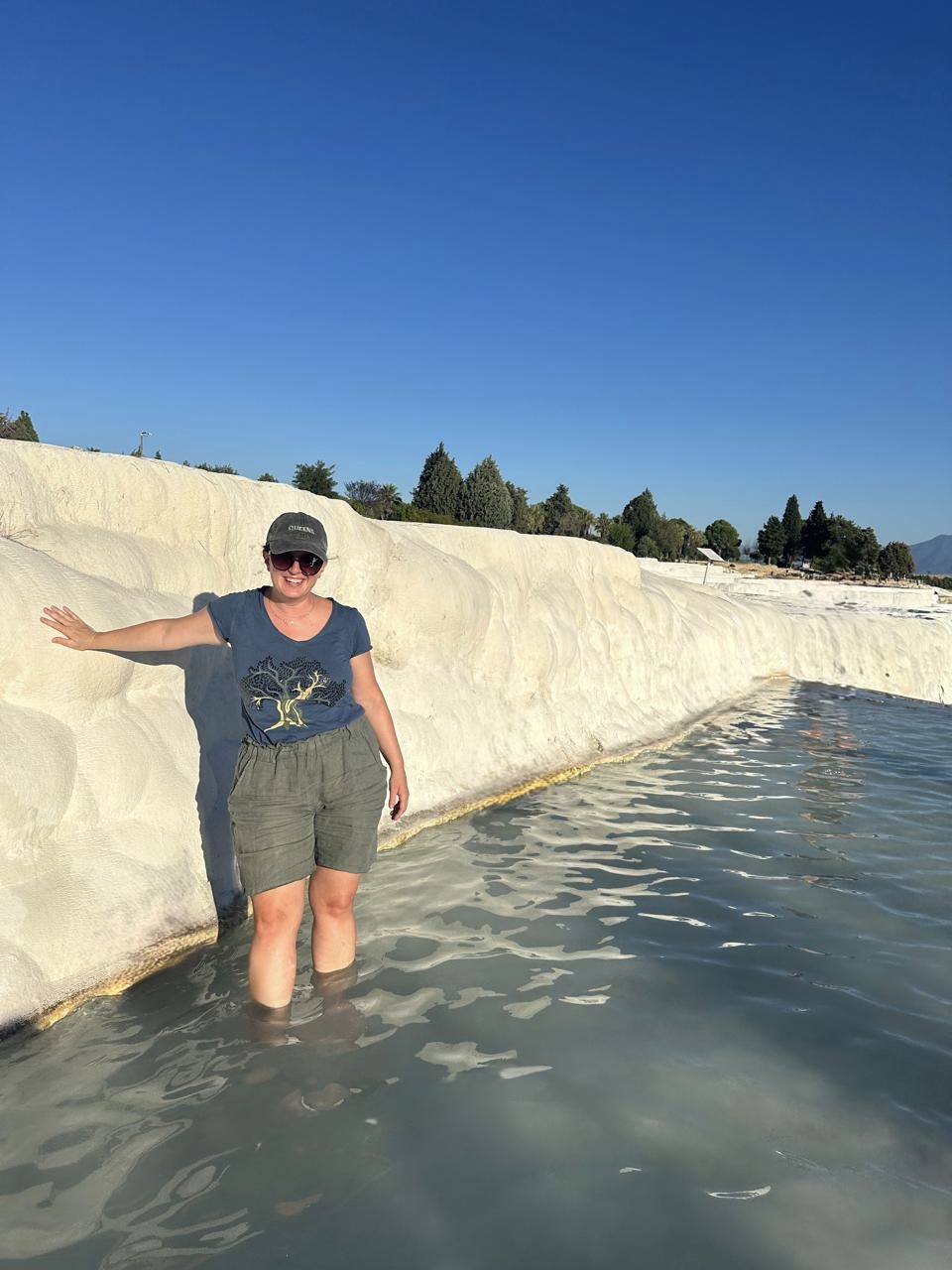
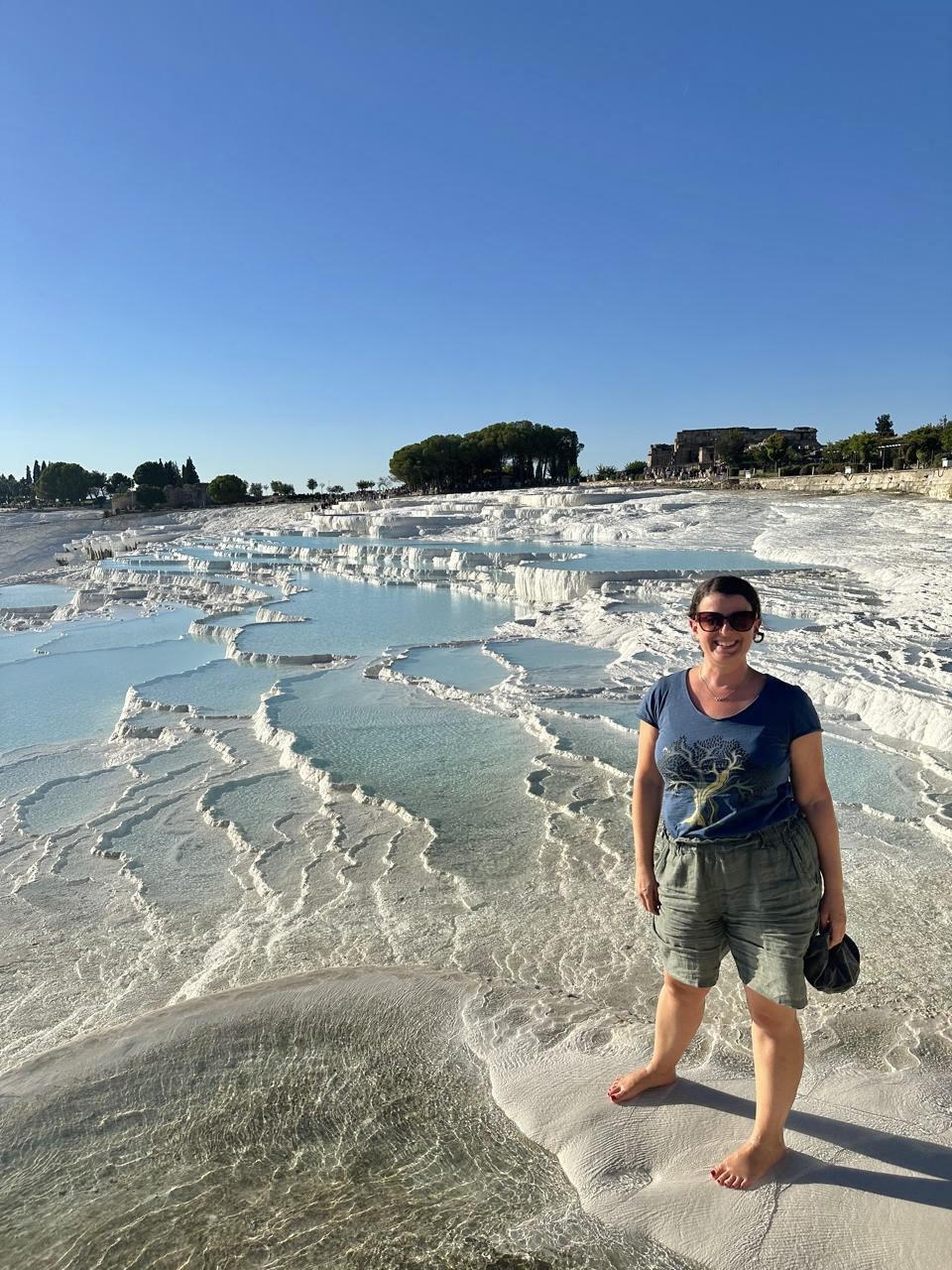
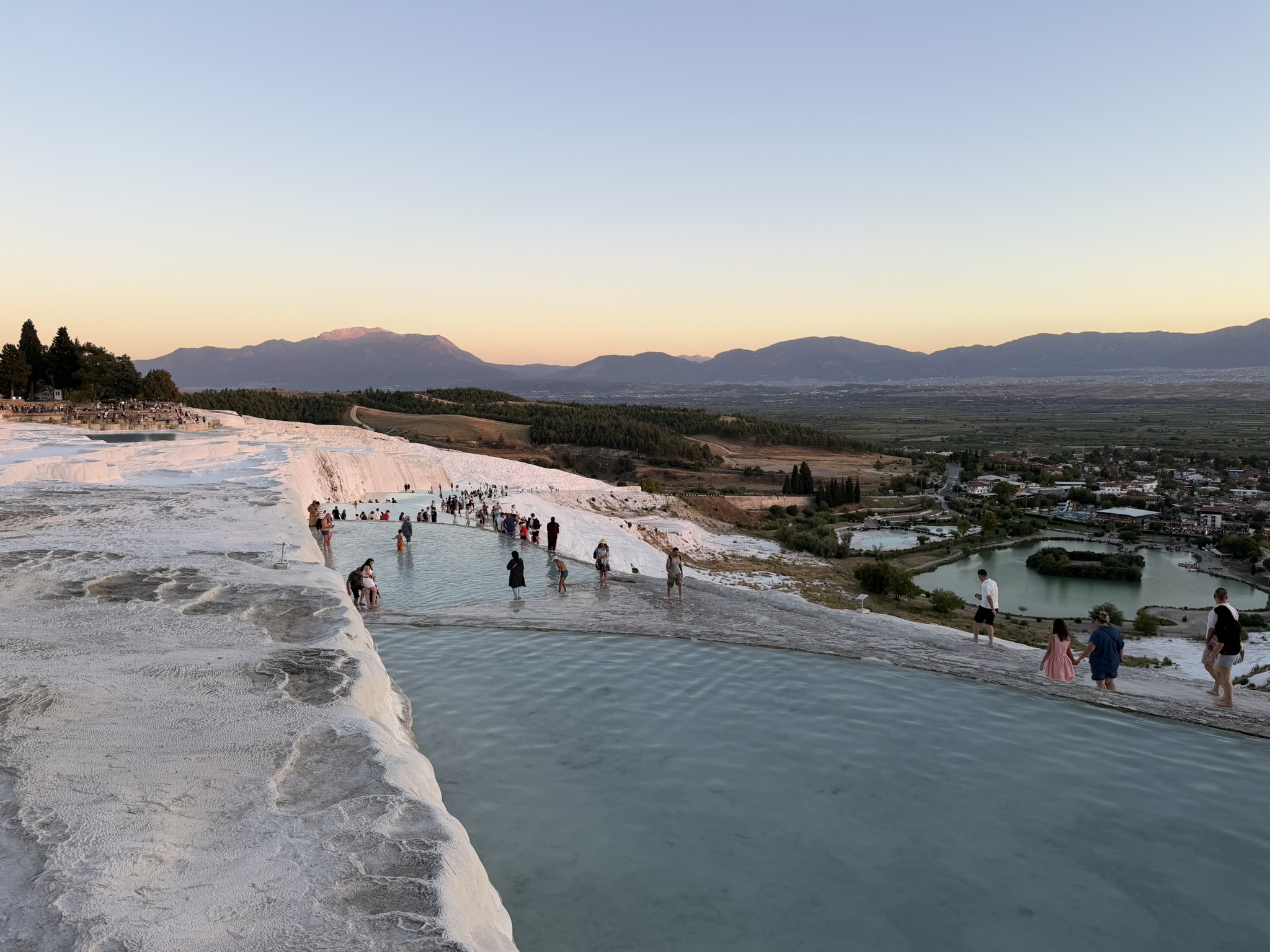
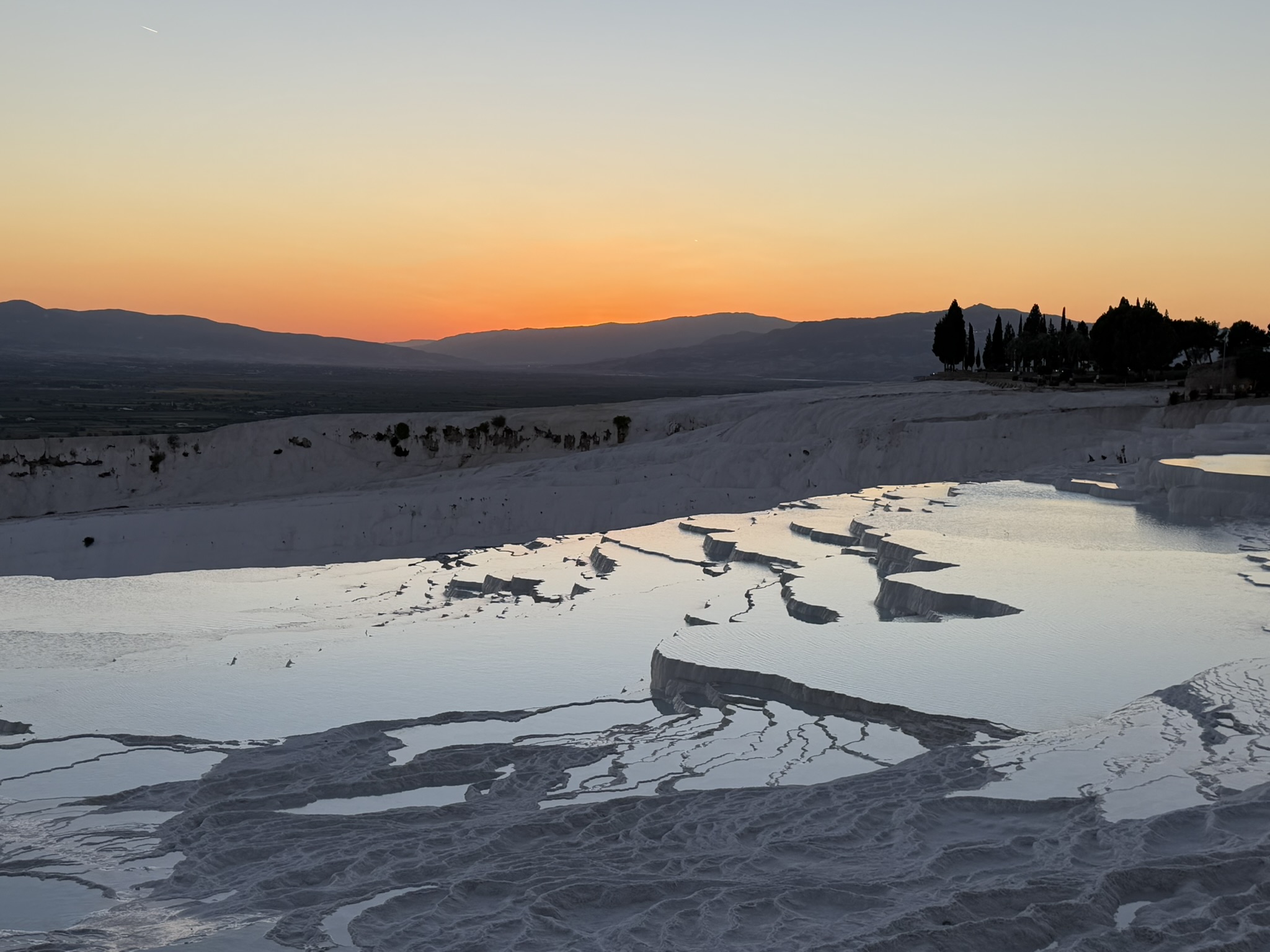
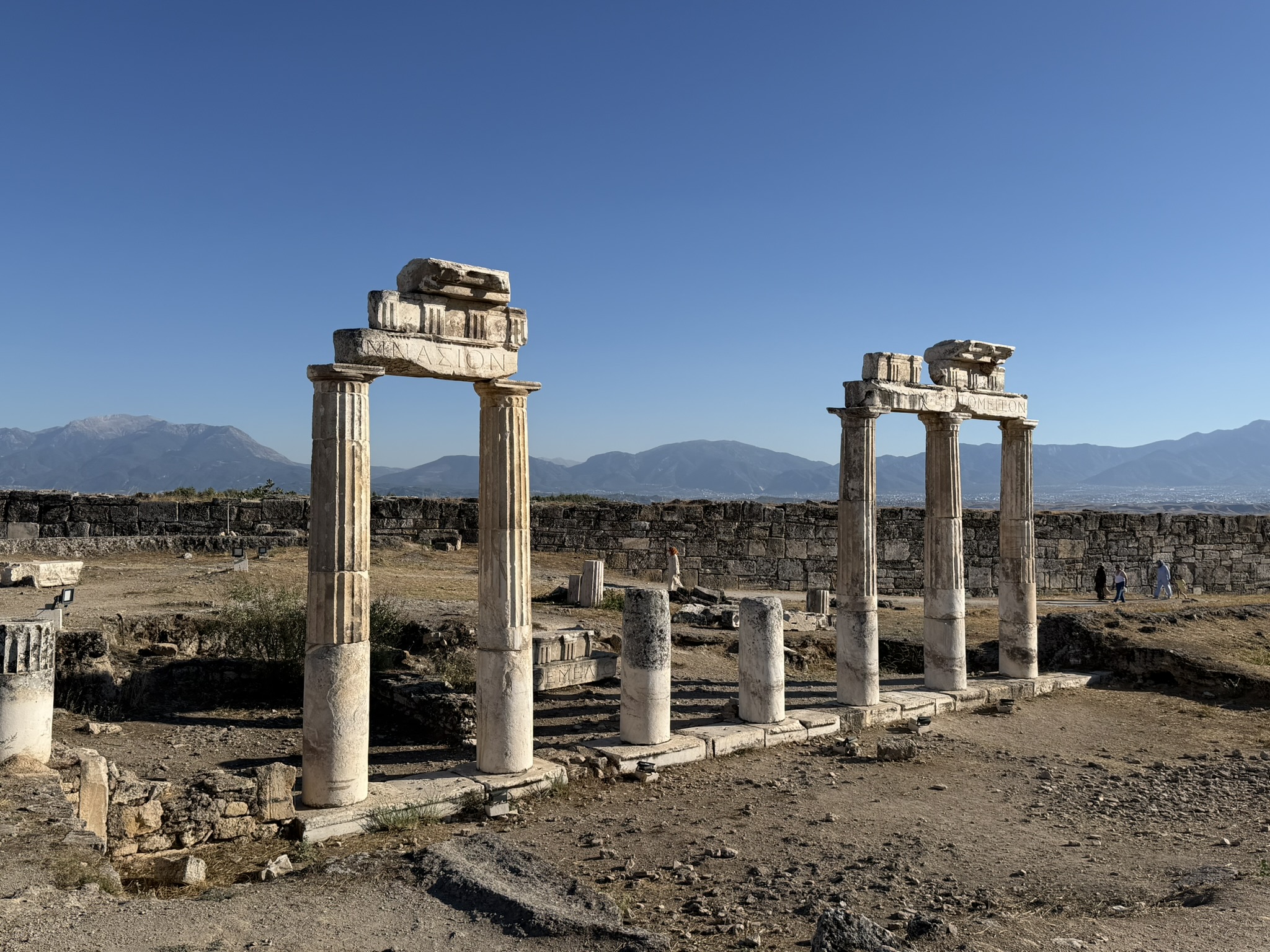
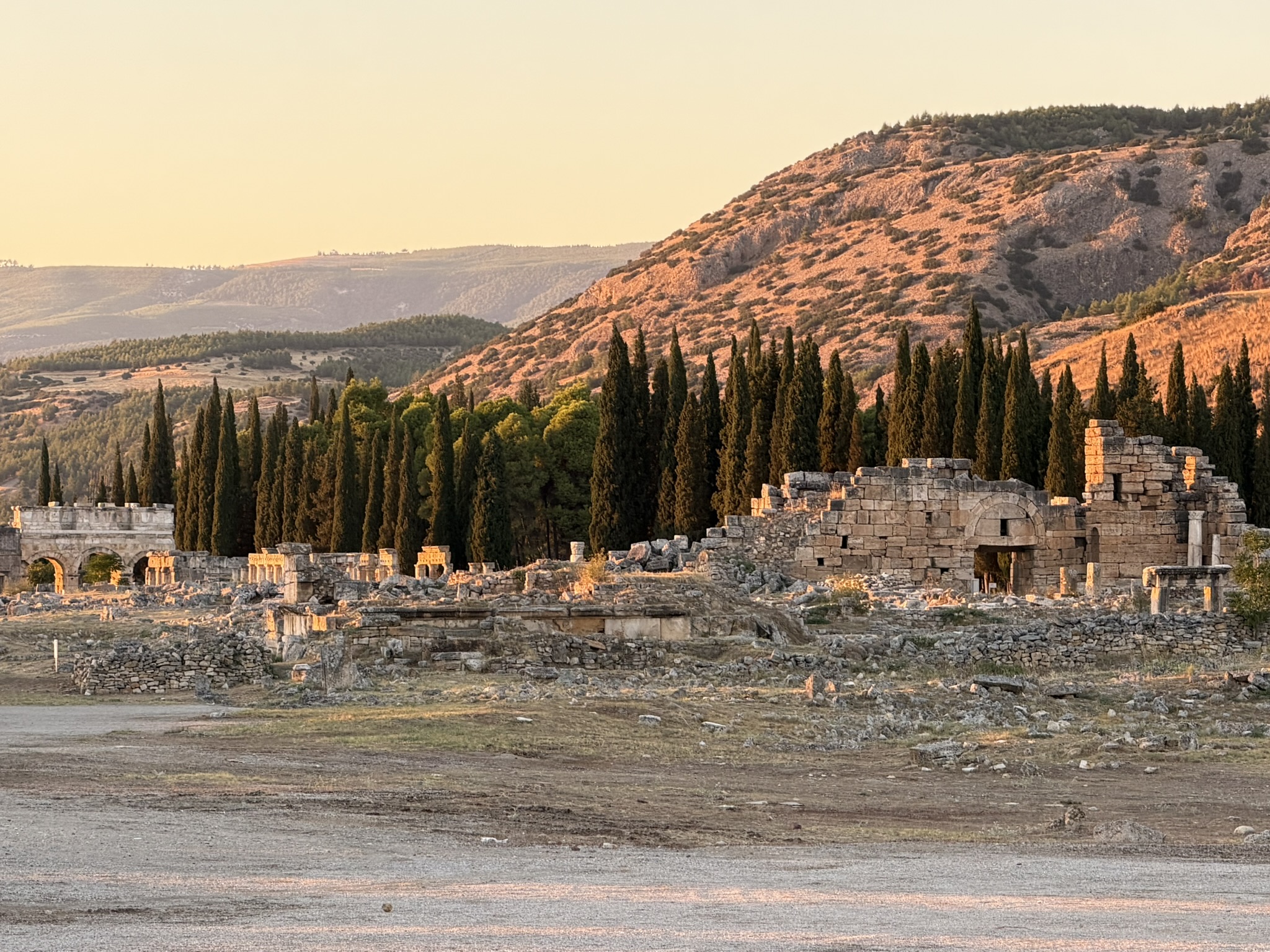
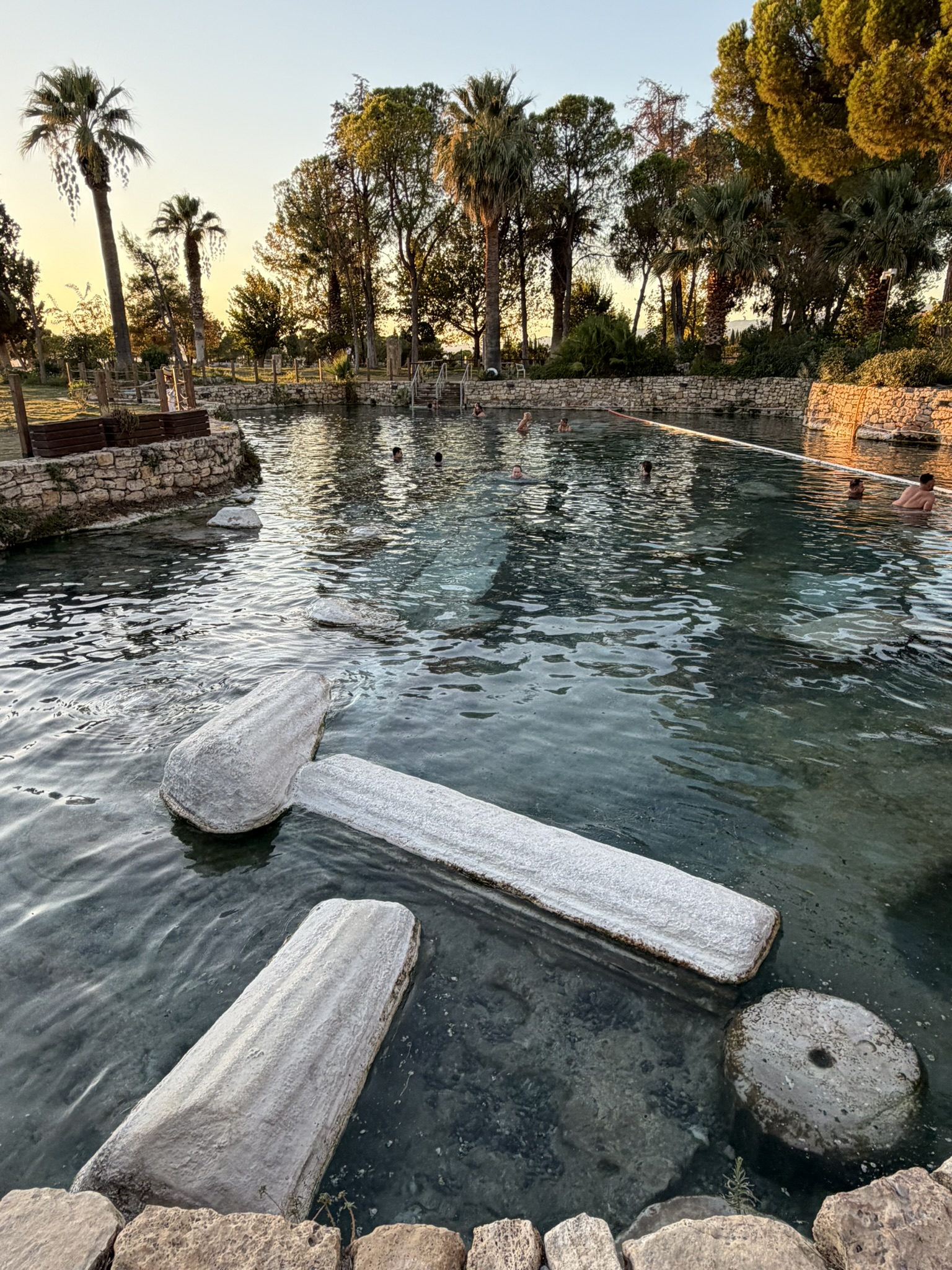
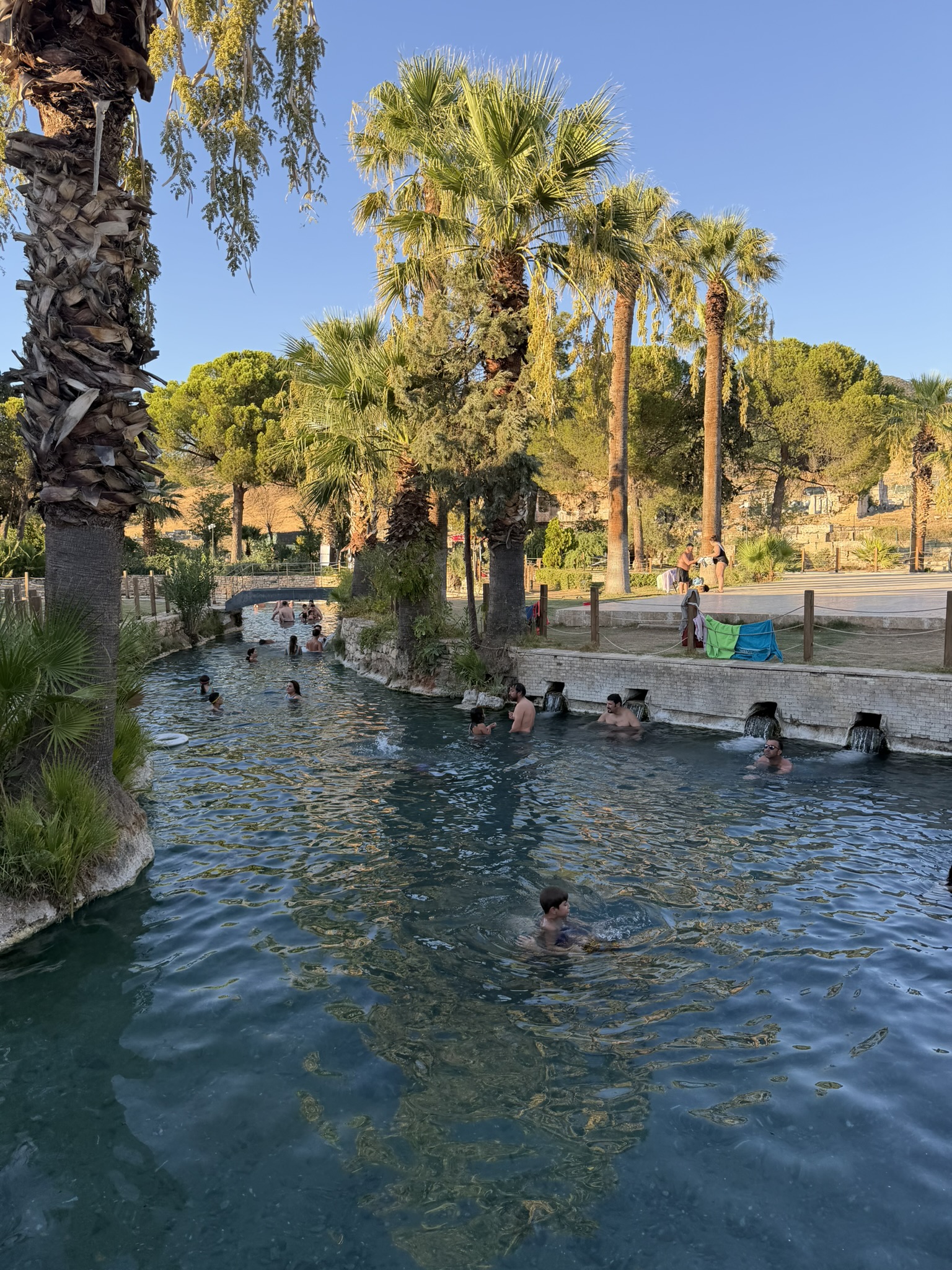
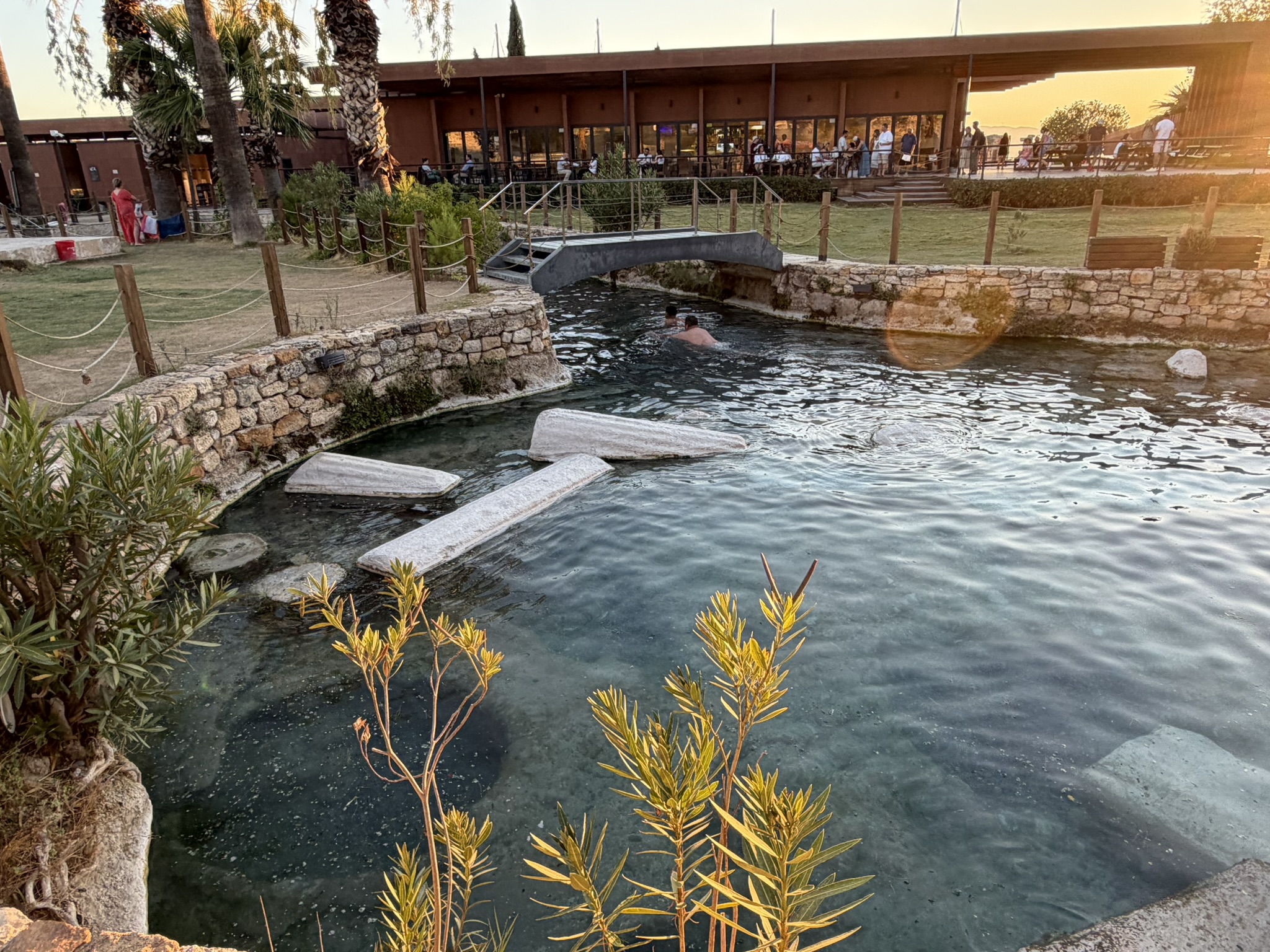
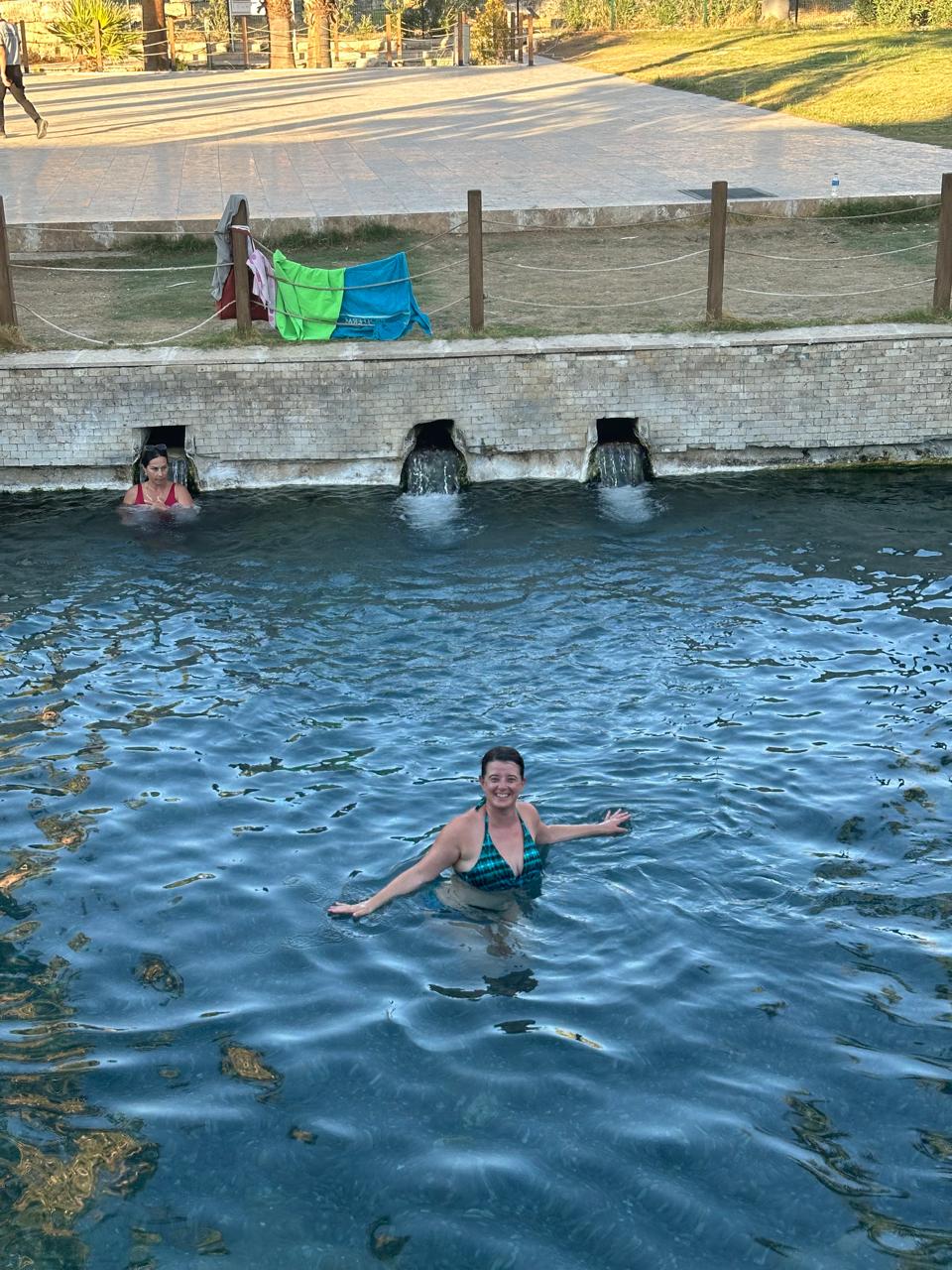
I didn’t know that adjacent to the pools was Hierapolis, an ancient Greco-Roman city and its preserved ruins, giving the natural site an historical bend. Many columns and rocks were still intact. Also at the site, some paid natural hot springs where you can swim through warm waters that are dotted with those same ancient columns and building materials. You can literally lounge on an ancient column half-submerged in water. I could have spent all day there if not for the scorching heat, and was glad we went close to sunset.
Ephesus
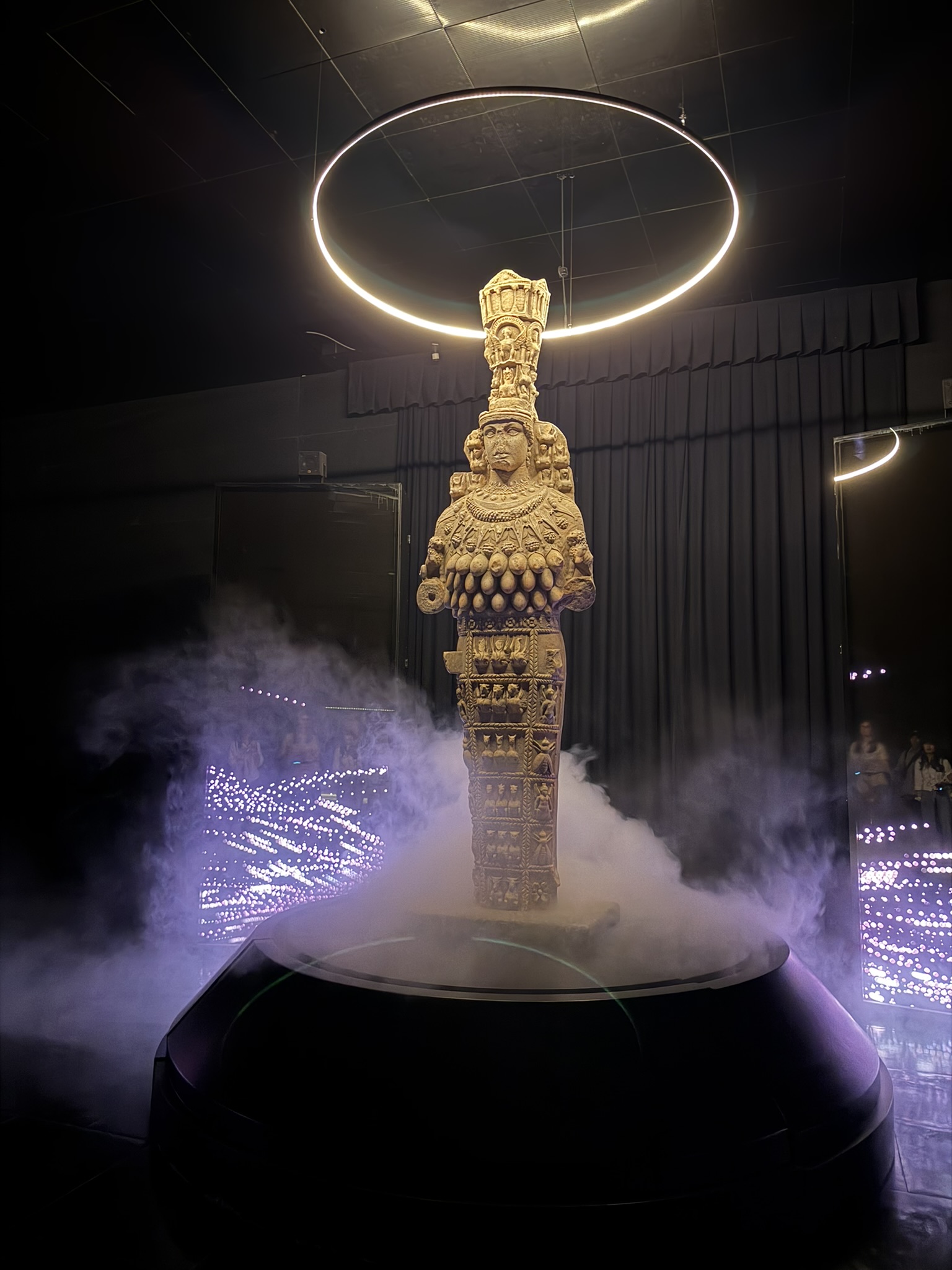
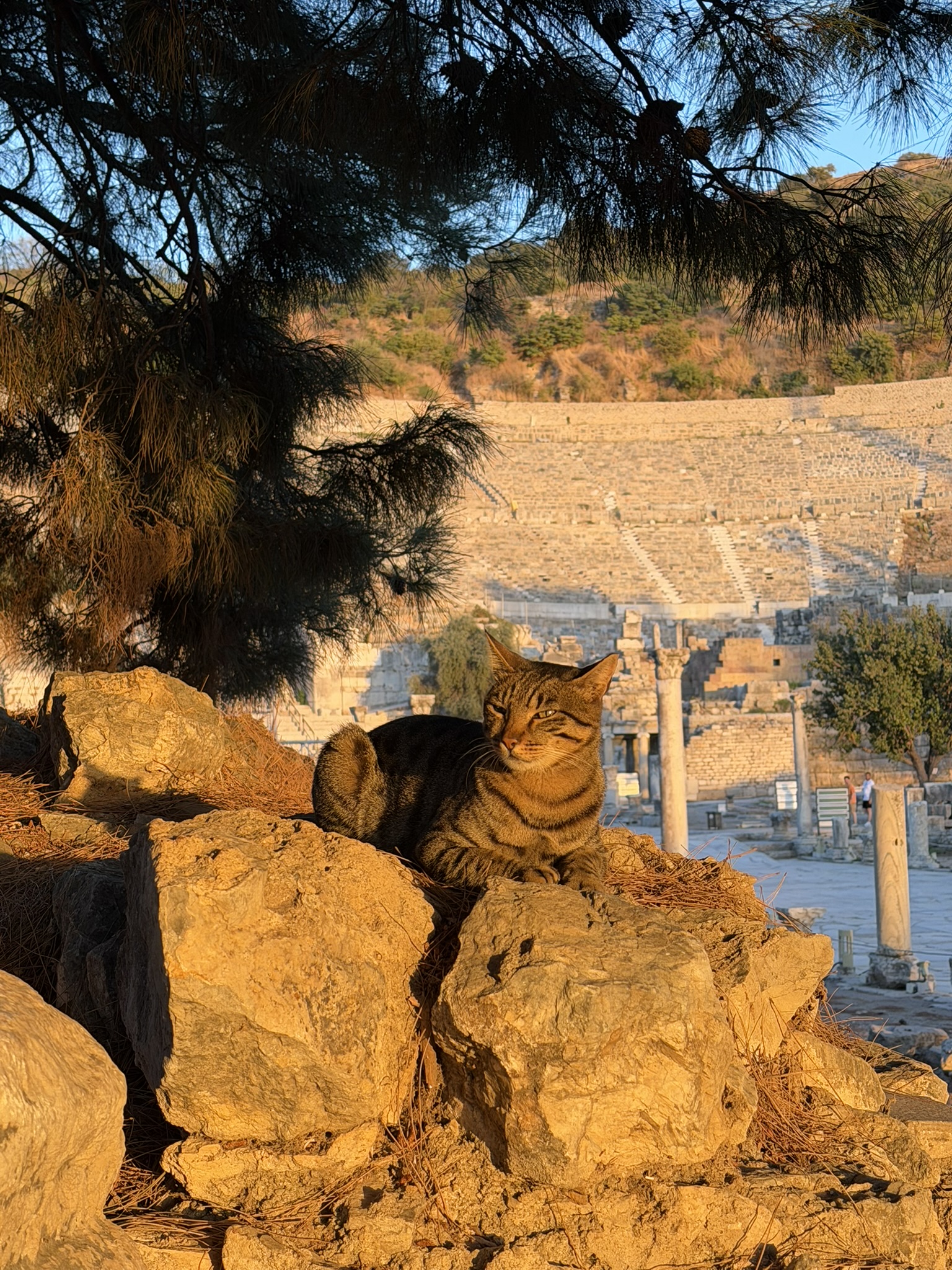
Our time in Selçuk centered around visiting the ancient city of Ephesus, another old and preserved Greco-Roman city dating from the 1st Century BC til 5th Century AD. It is incredibly well-preserved and huge. We saw columns, two theaters (one which they actively use for large musical performances), sculptures of Greek gods like Nike and Hermes, and the crowning jewel–a multi-storied and adorned building that served as an ancient library. I’d never seen anything like it. We also went into an experience museum and learned about how Artemis was said to be the city’s protector. I reflected on how it looked similar to other ancient sites I had seen before, like Olympia and Pompeii, an amazing statement on early globalization.
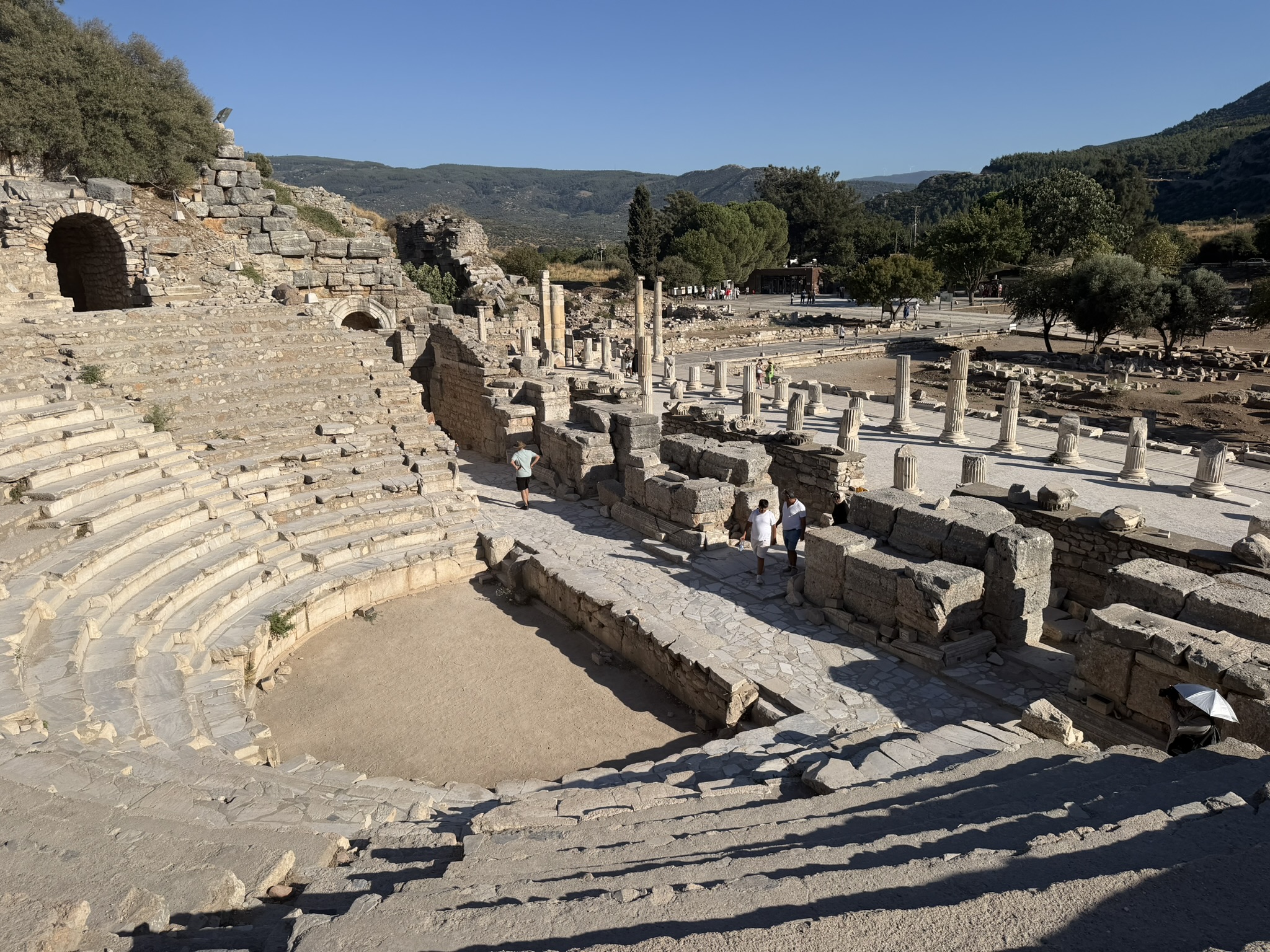
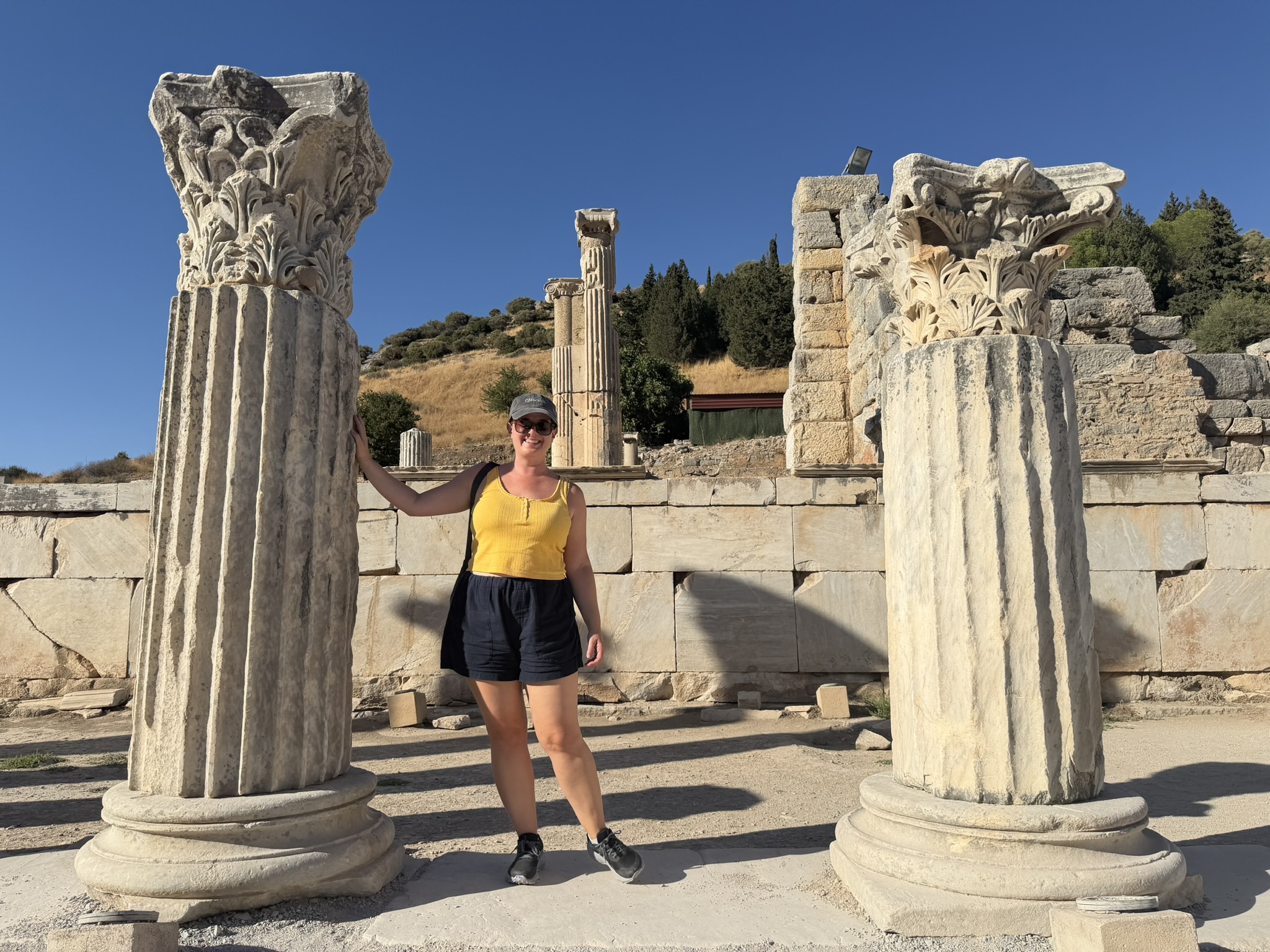
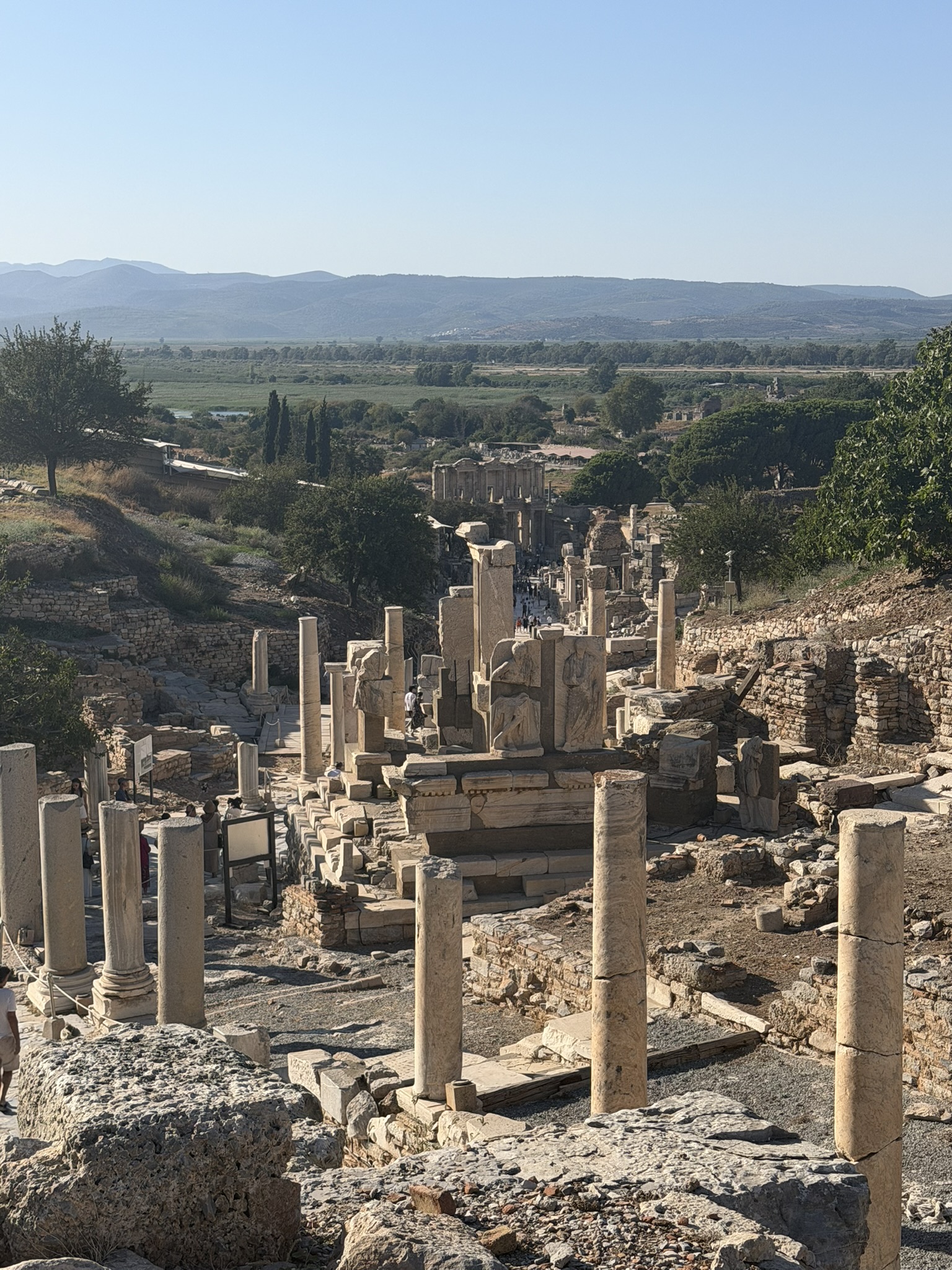
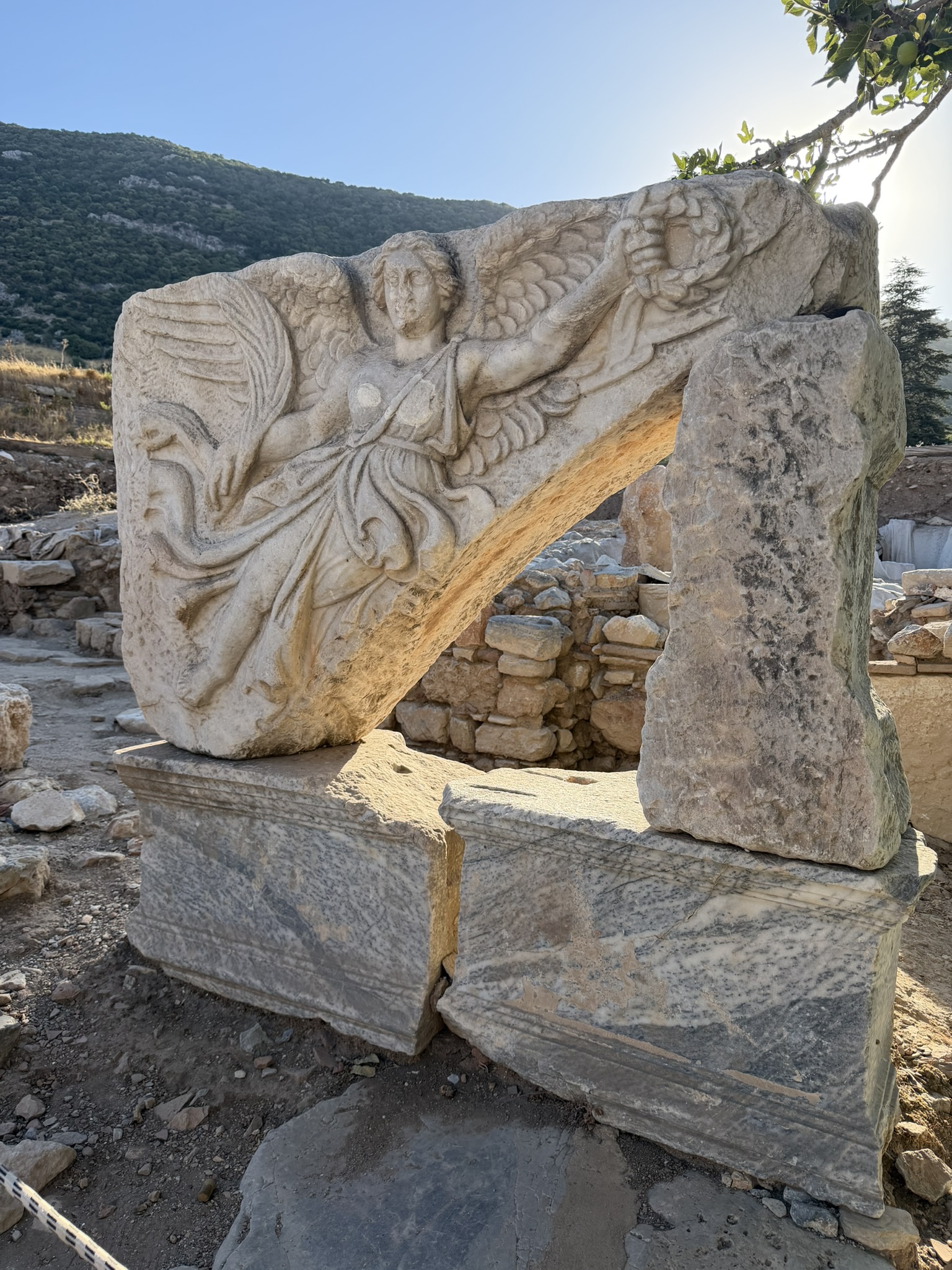
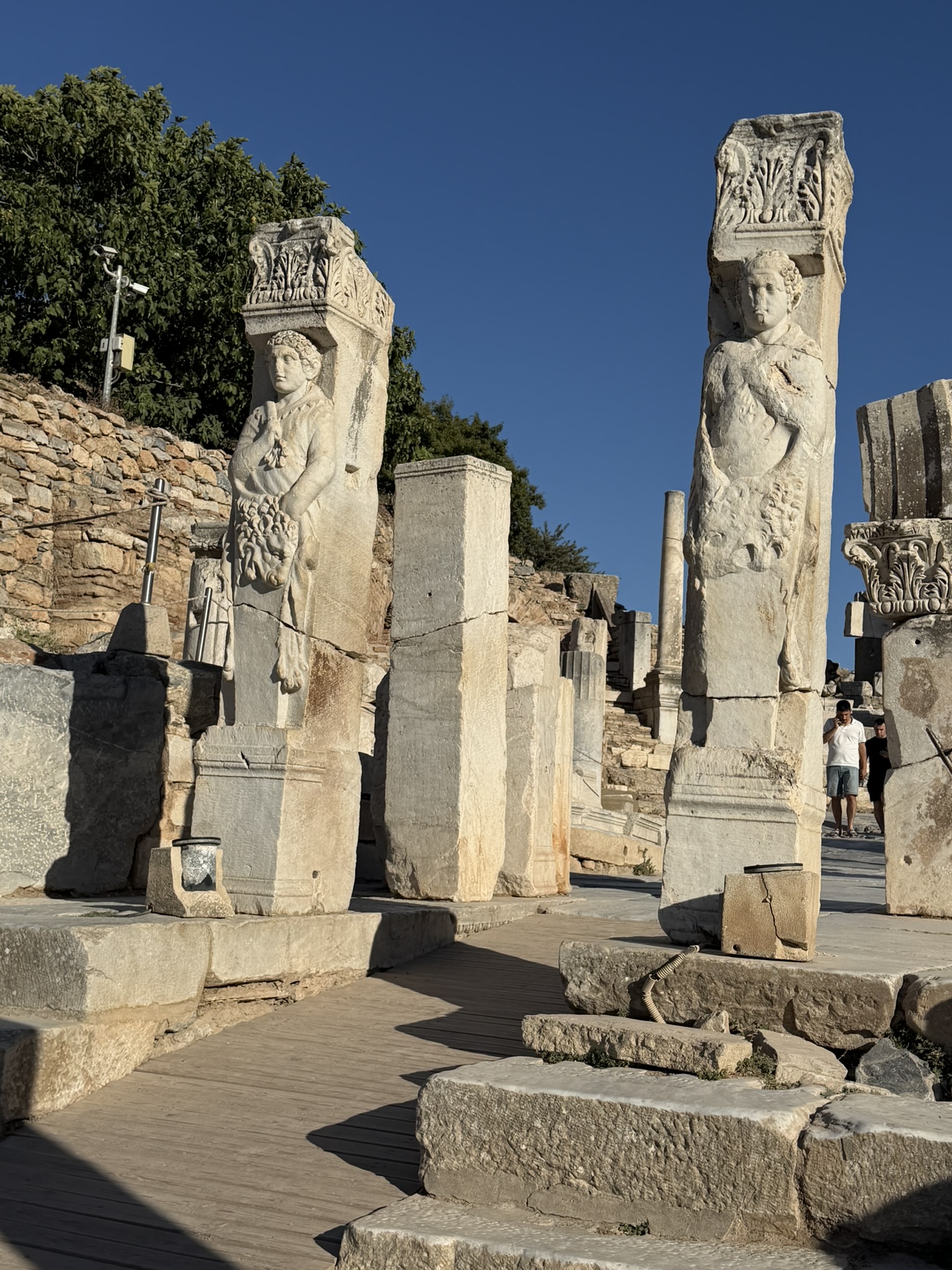
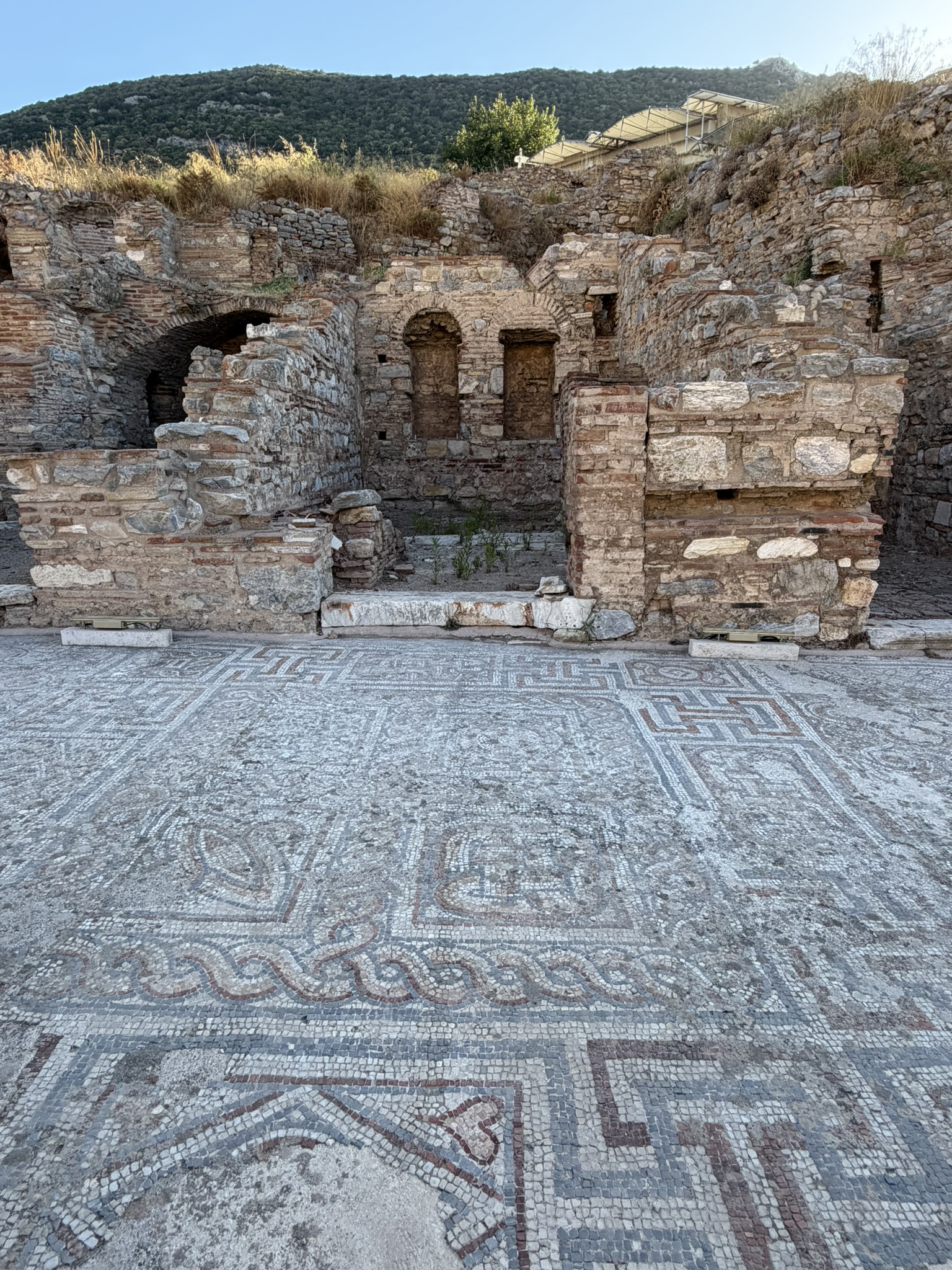
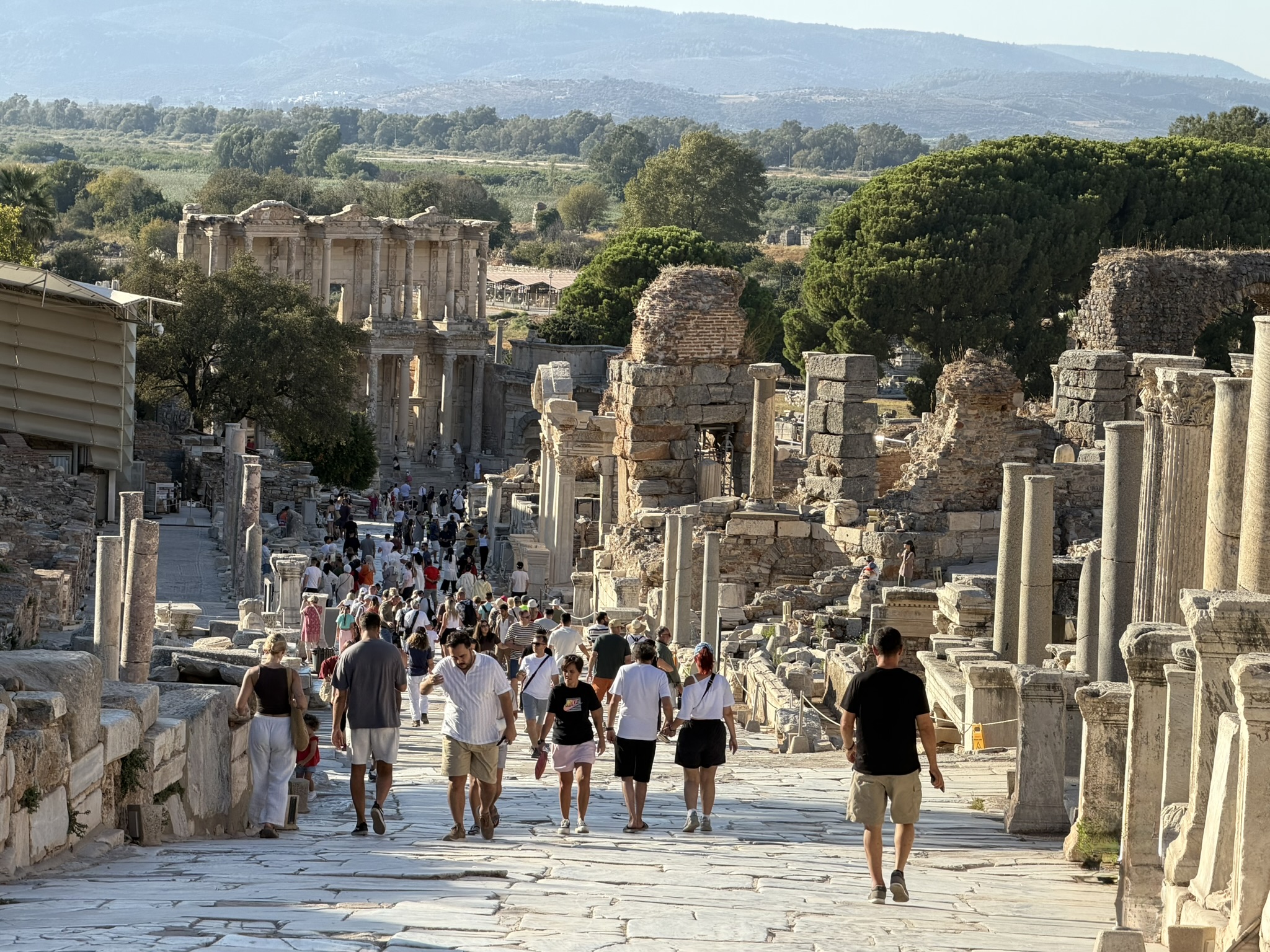
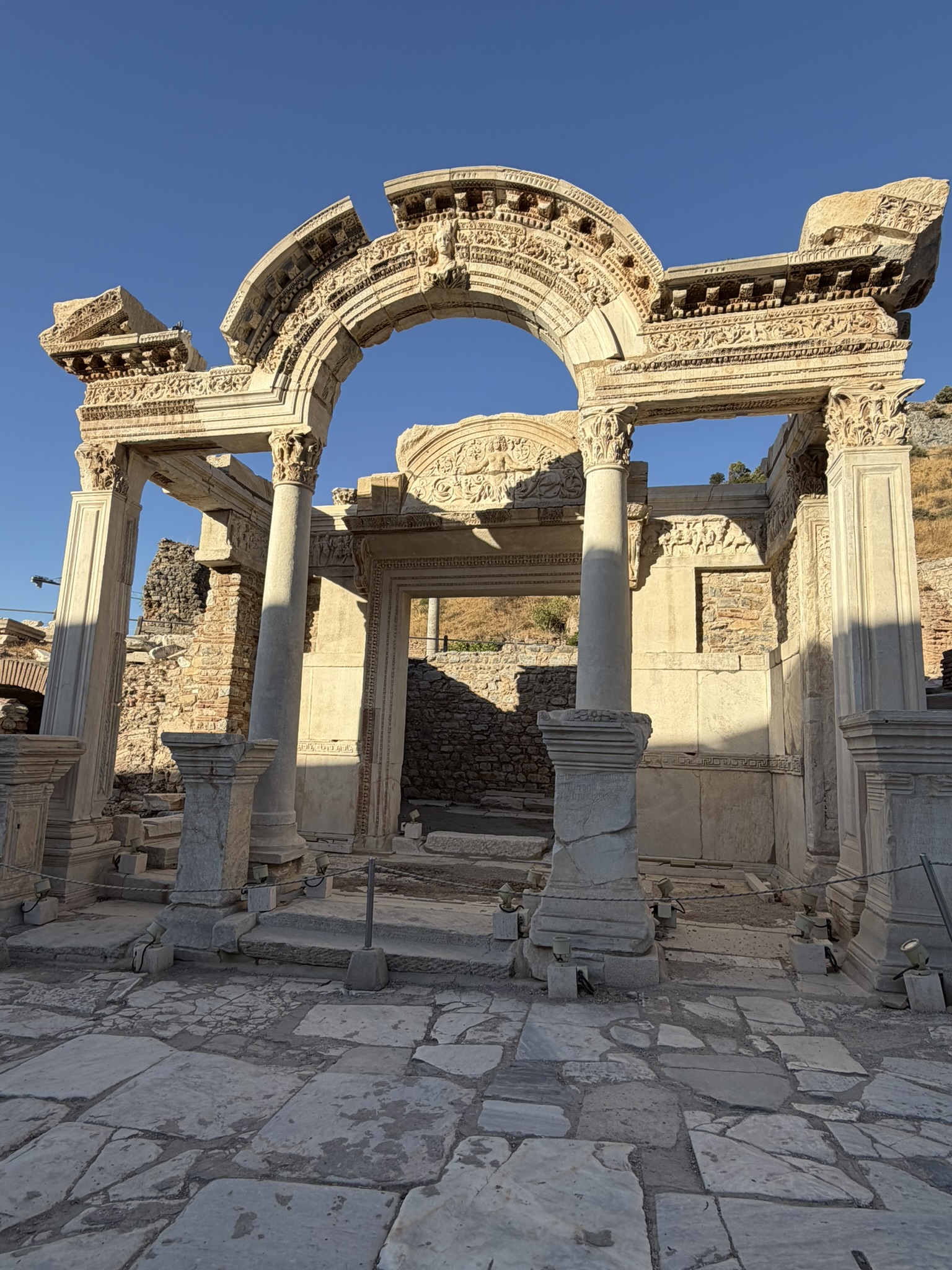
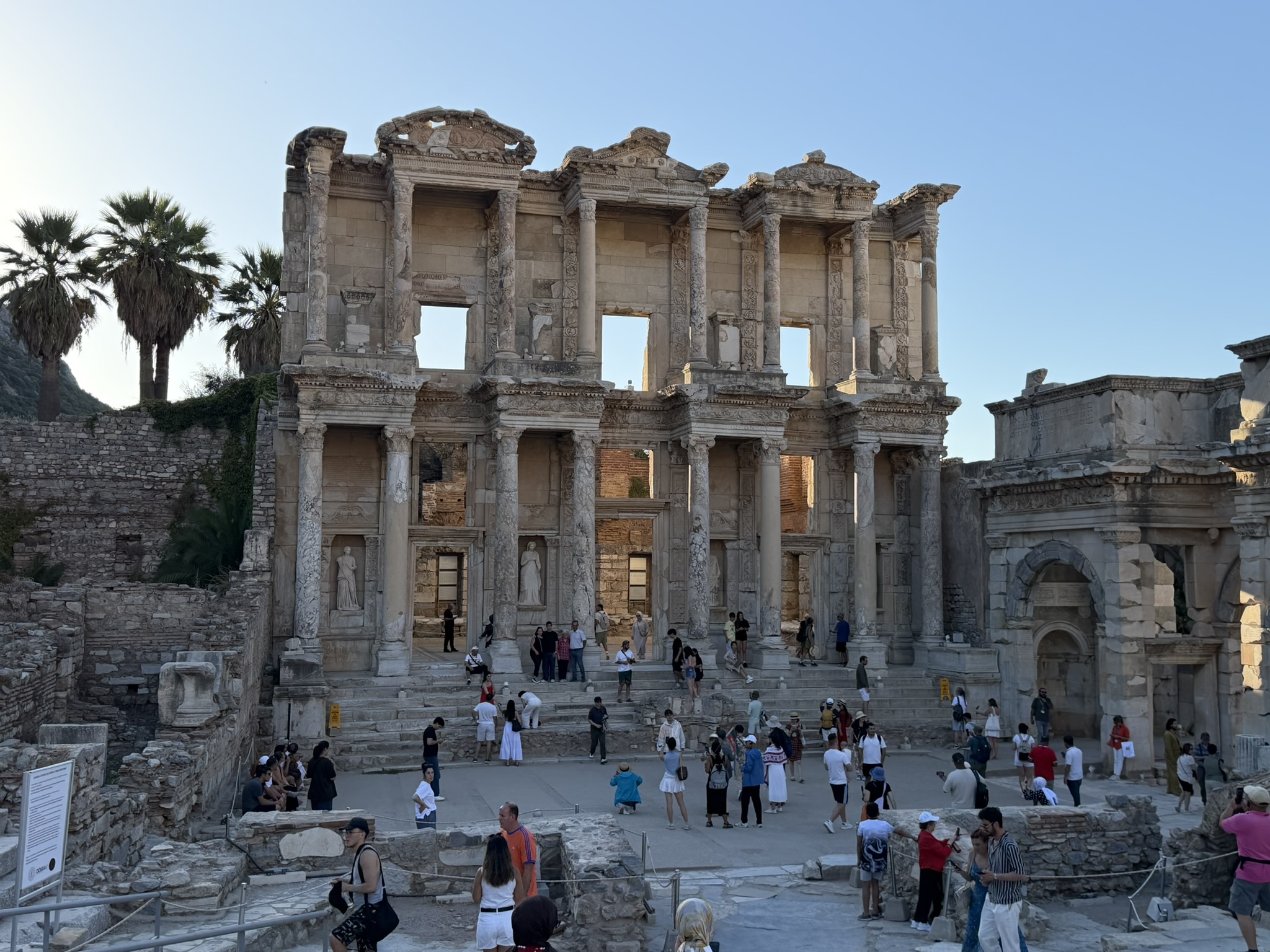
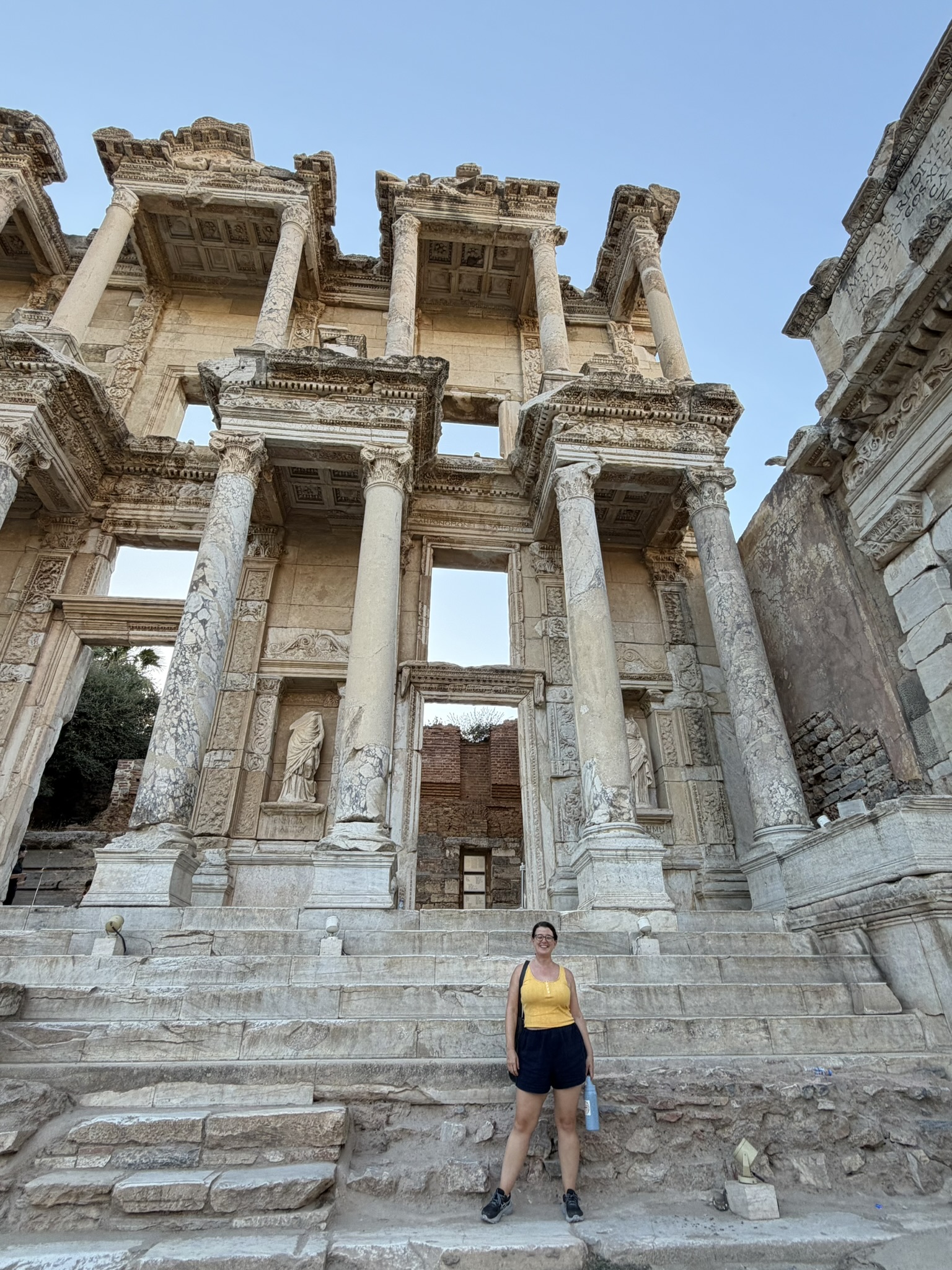
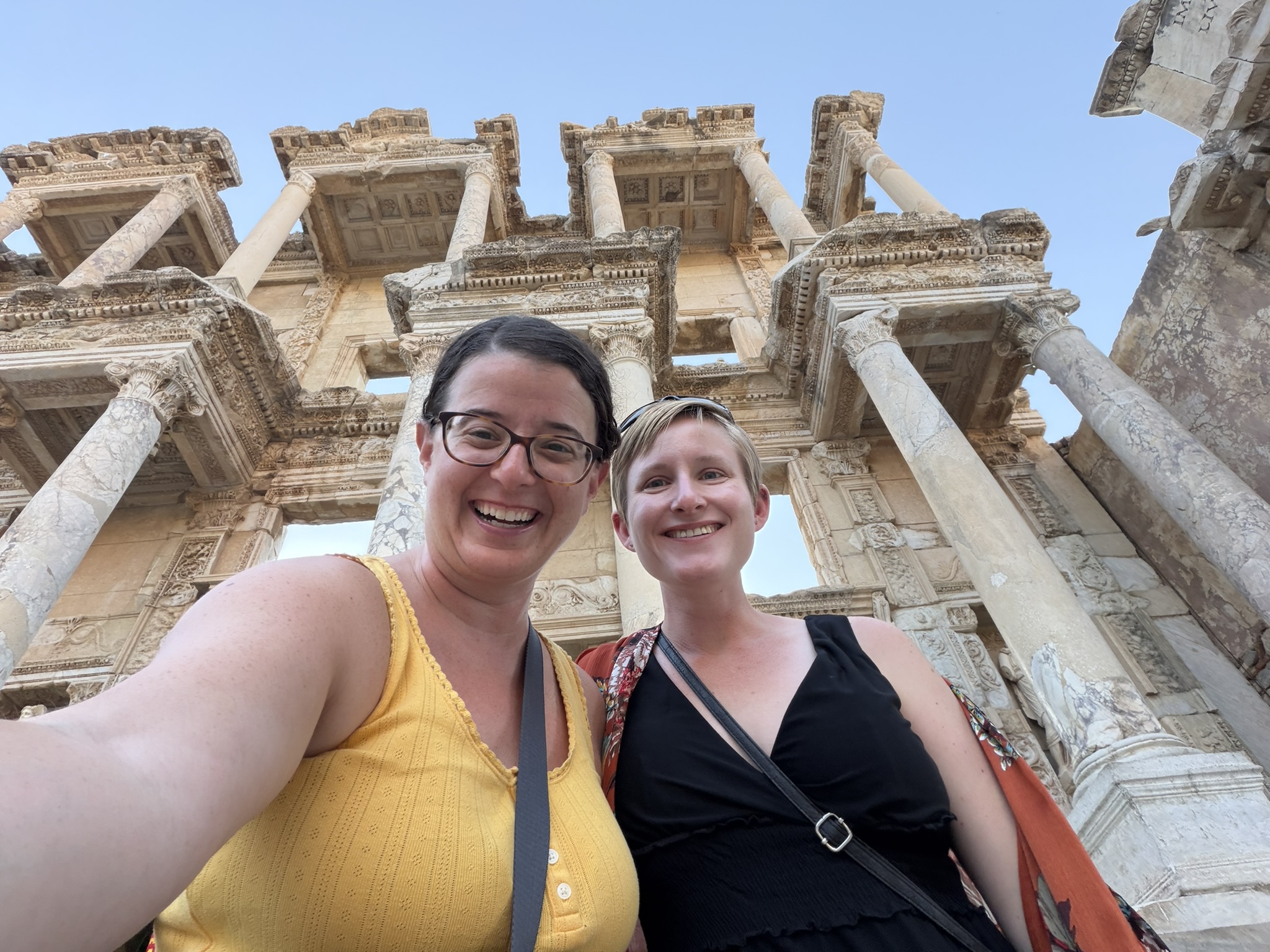
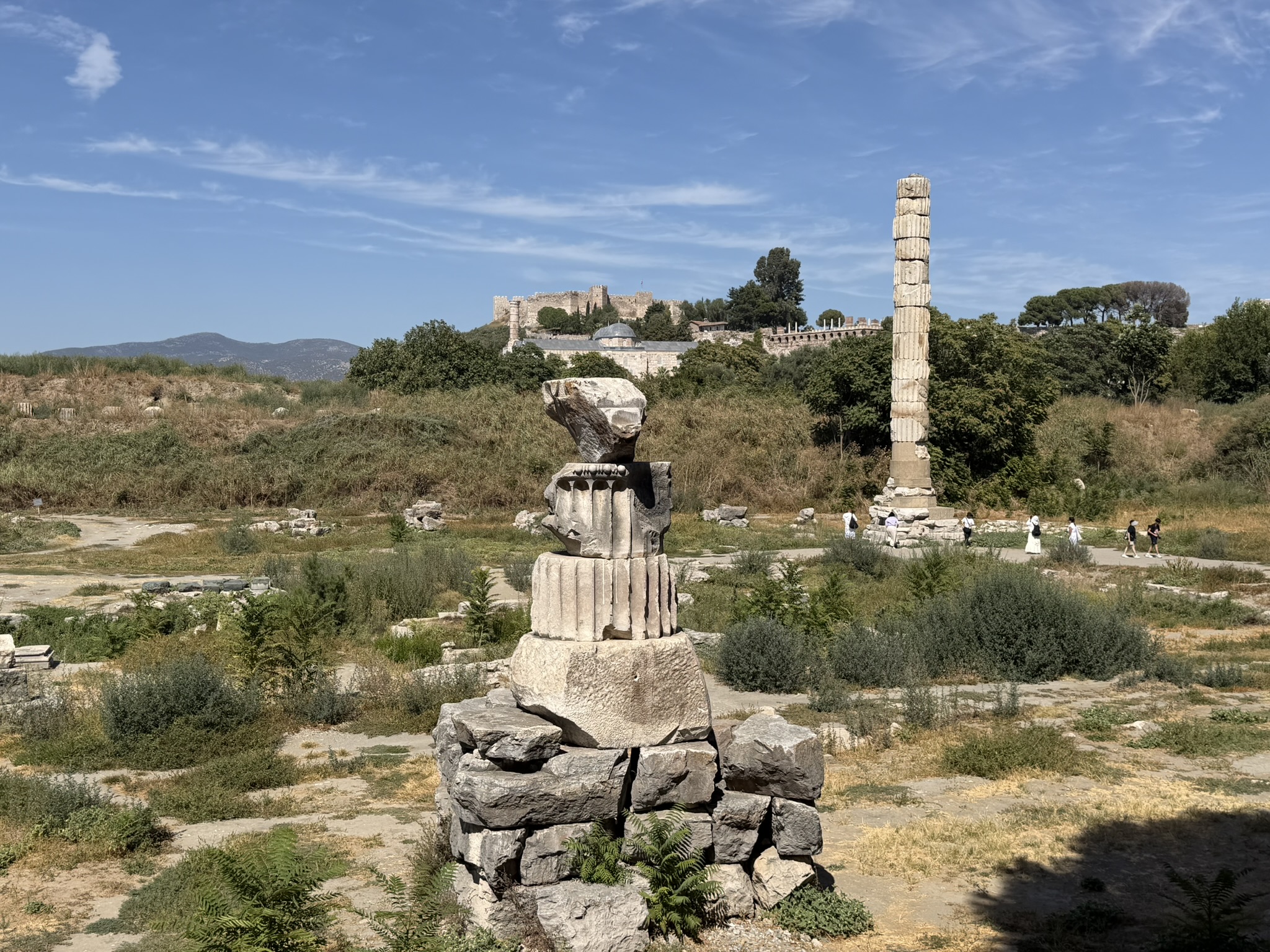
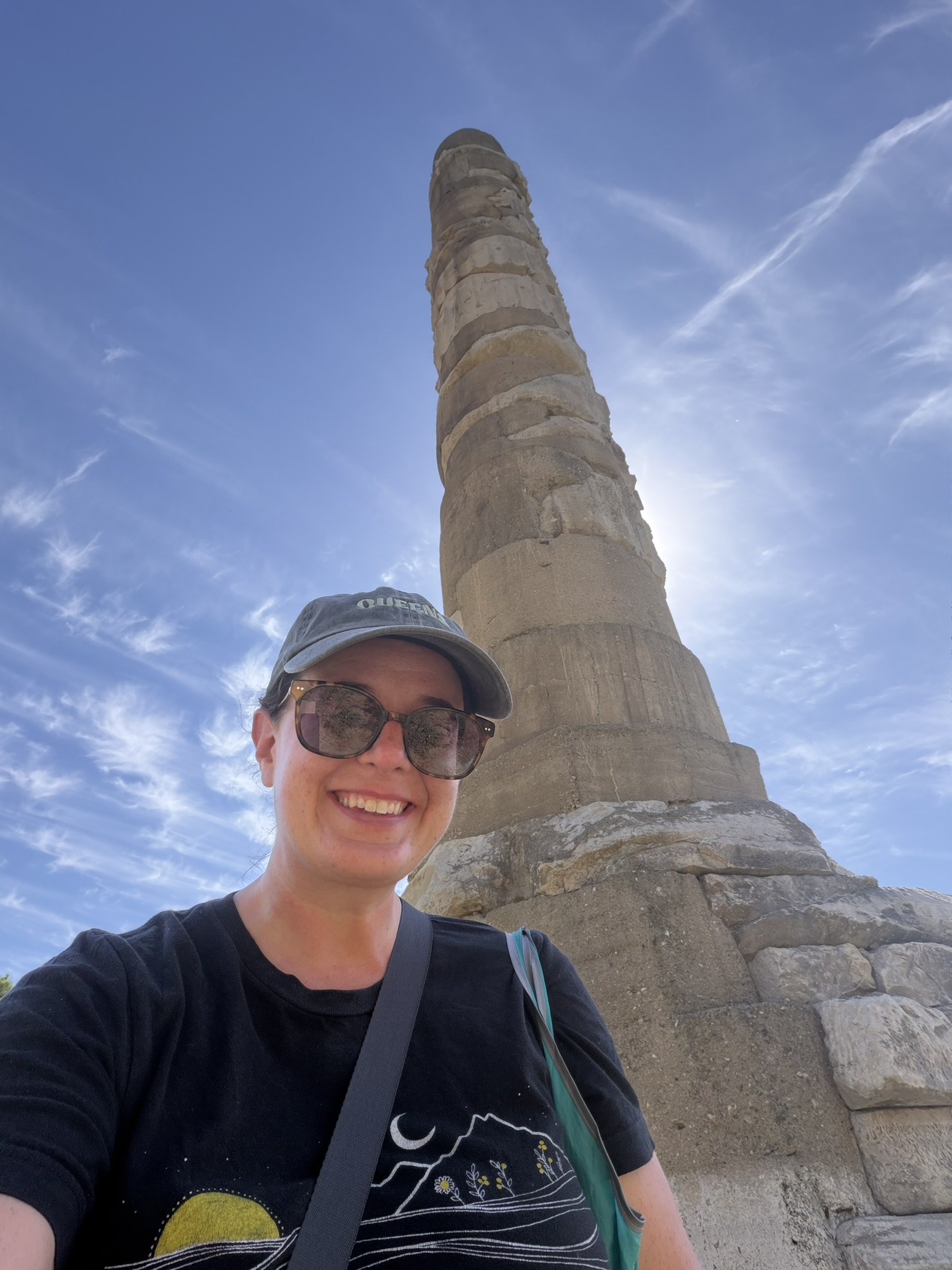
Later in town, I visited an impressive archeological museum sharing more items and history of Ephesus. I also walked over to see the original Temple of Artemis site before it was moved to Ephesus. It’s not much to look at now, just one tall column and some rocks, but it was nice to go and check one of the Seven Wonders of the Ancient World off the list. On the walk back I chat with a street vendor named Solomon, who I only stop to chat with because he said he lived in NYC for many years. He misses pancakes. I buy a fresh squeezed pomegranate juice from him.
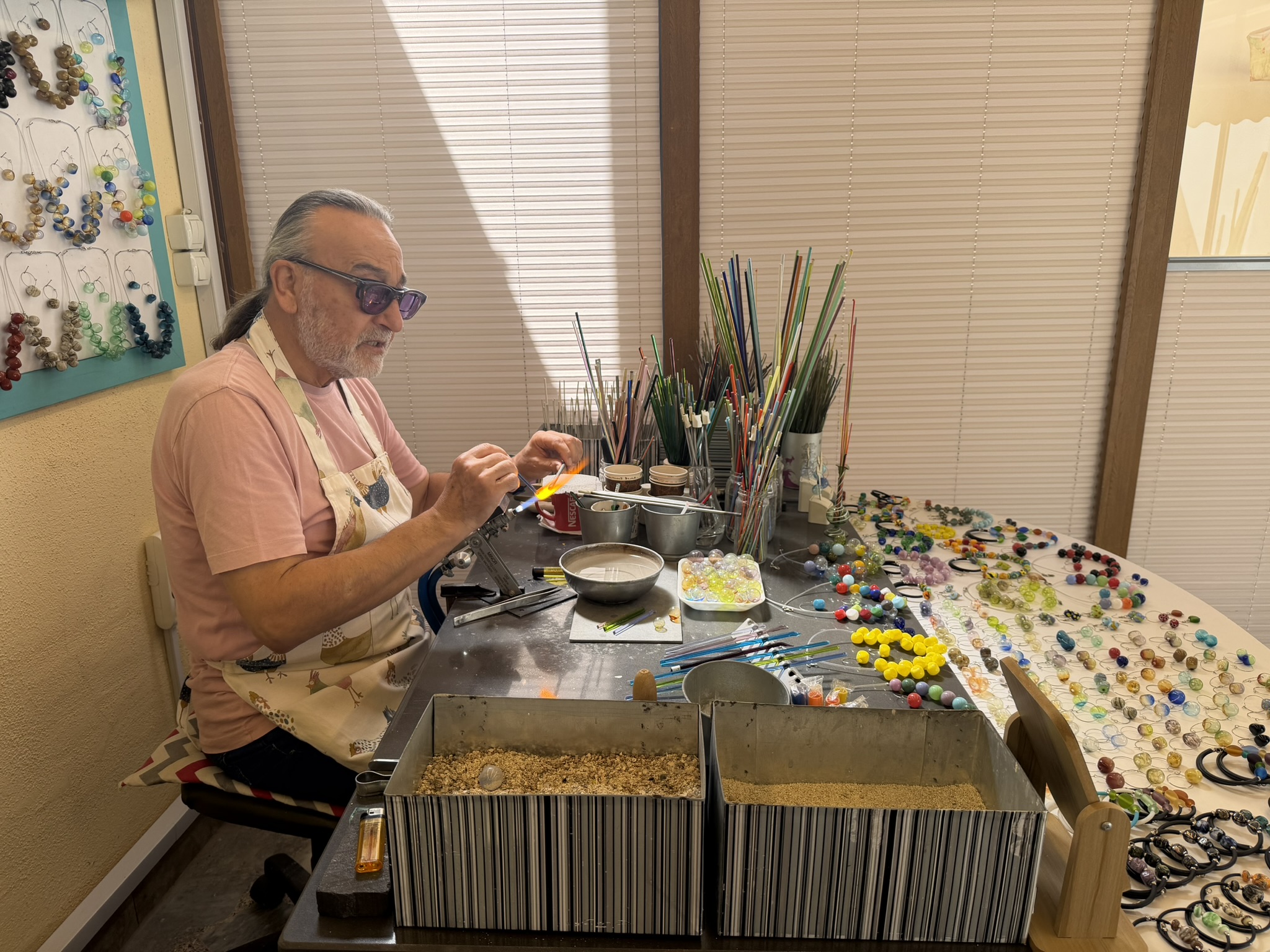
Hannah, Han, and I visited an art gallery in town whose owner Mehmet was friends with our guide. As we started browsing, he stopped us and told us to go next door to the workshop to watch some artists work. It became a hands-on art workshop: we blew glass beads on small straws with an older man (they all popped but it was fun!) and made mosaic flowers on a small wood slab with a younger woman. Mehmet served us tea and coffee and then let us walk around their several stories of galleries of pottery, glass figures, mosaics, and more. It was great. I bought a small bracelet with glass beads.
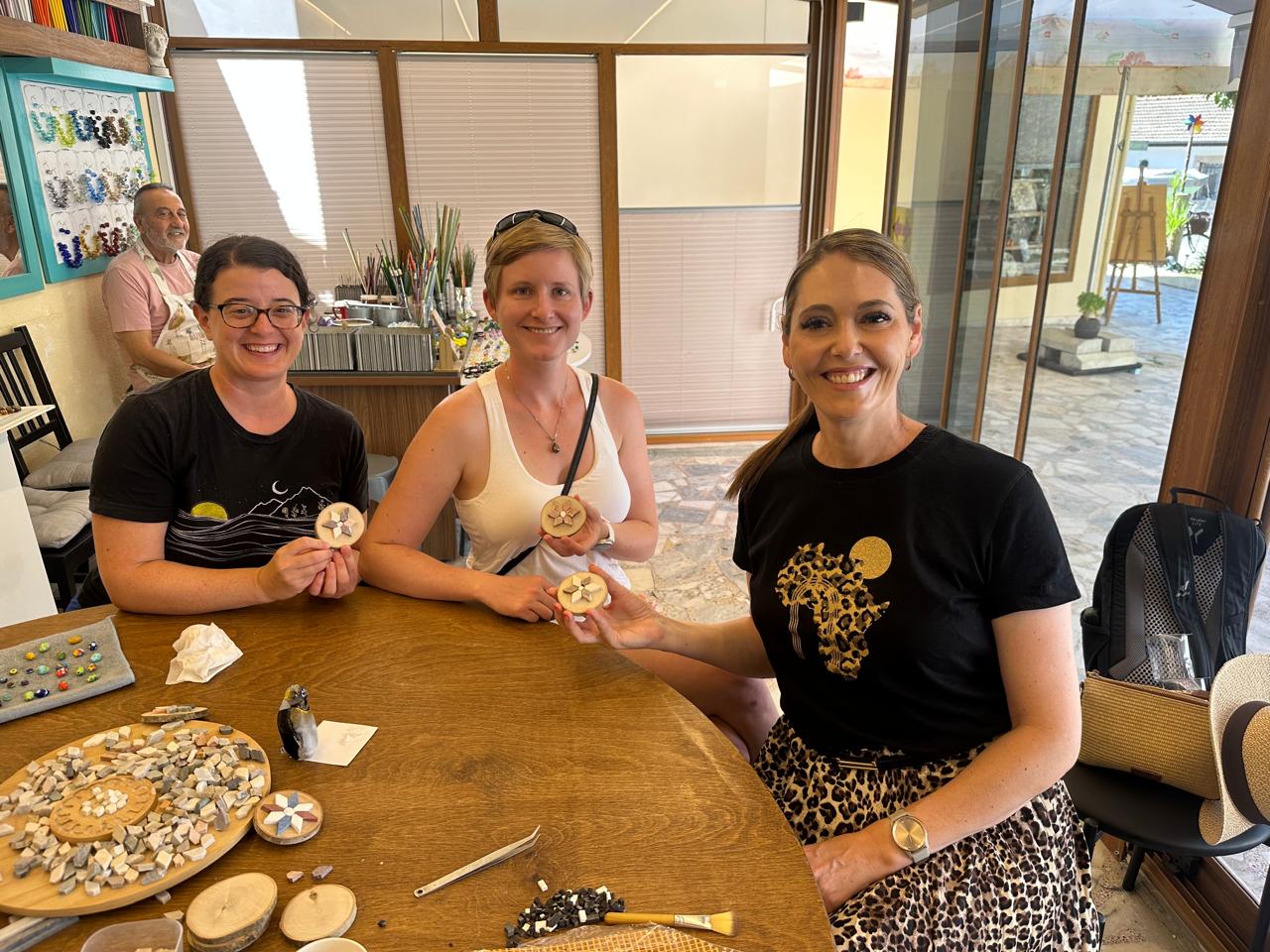
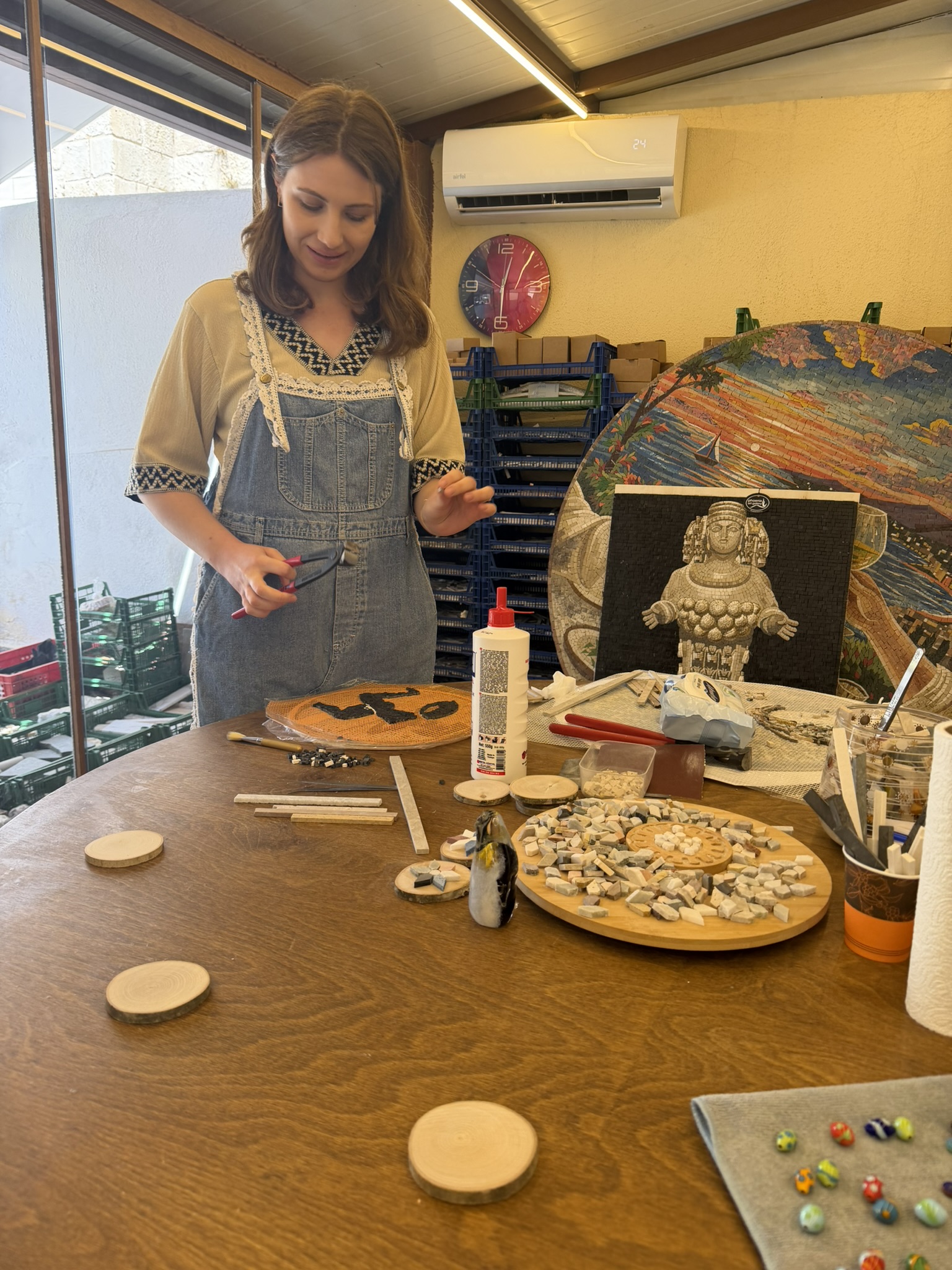
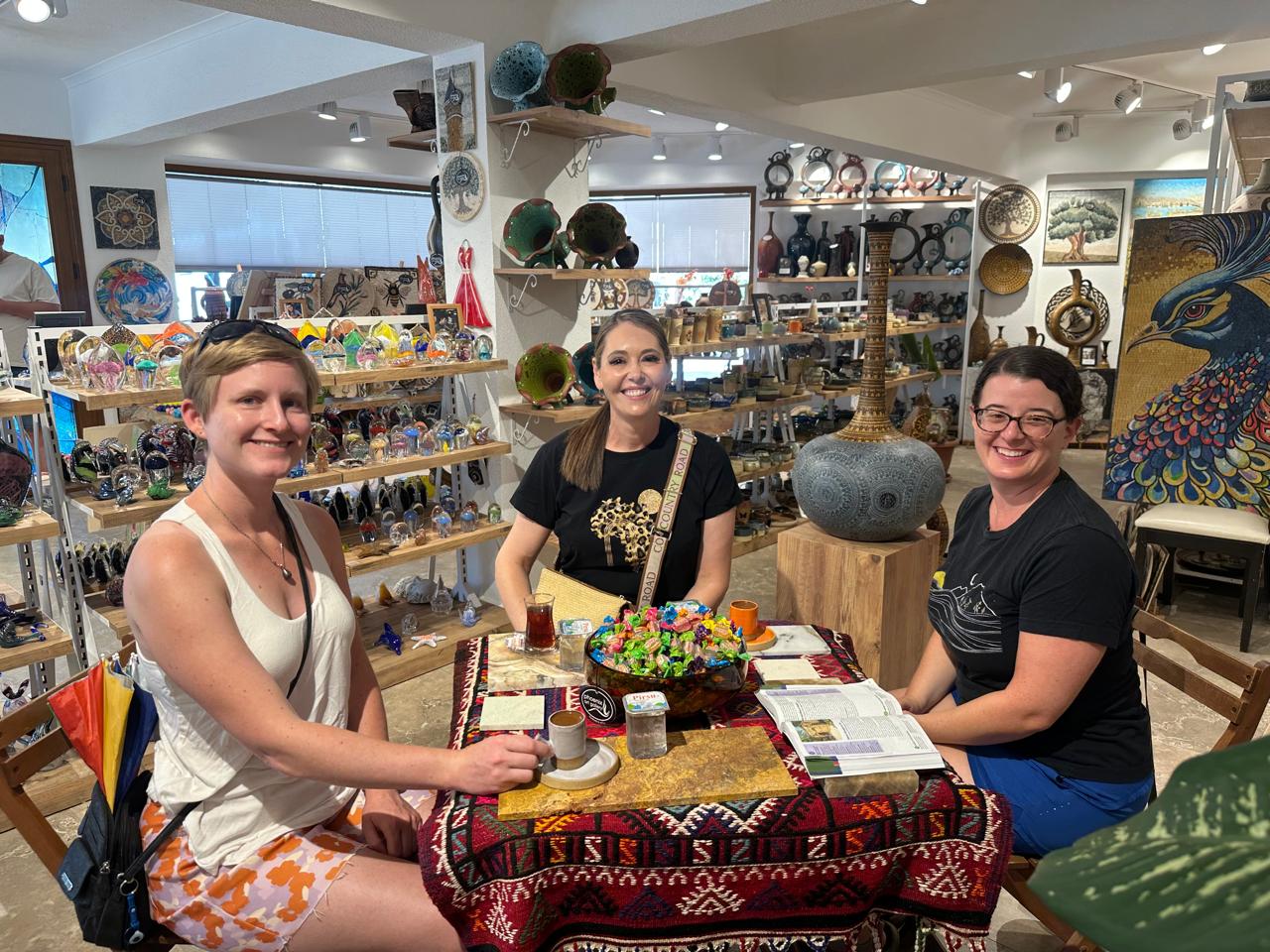
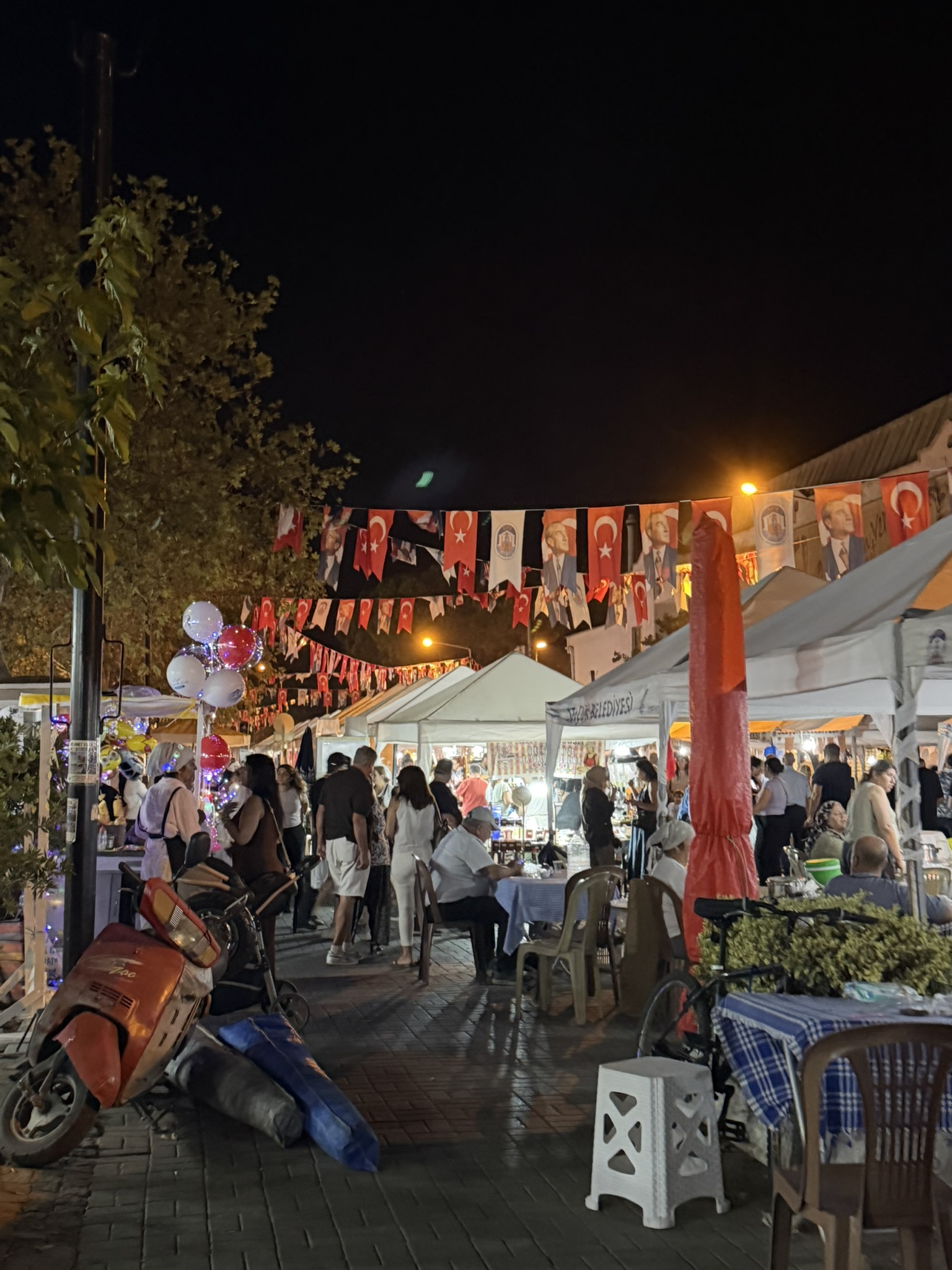
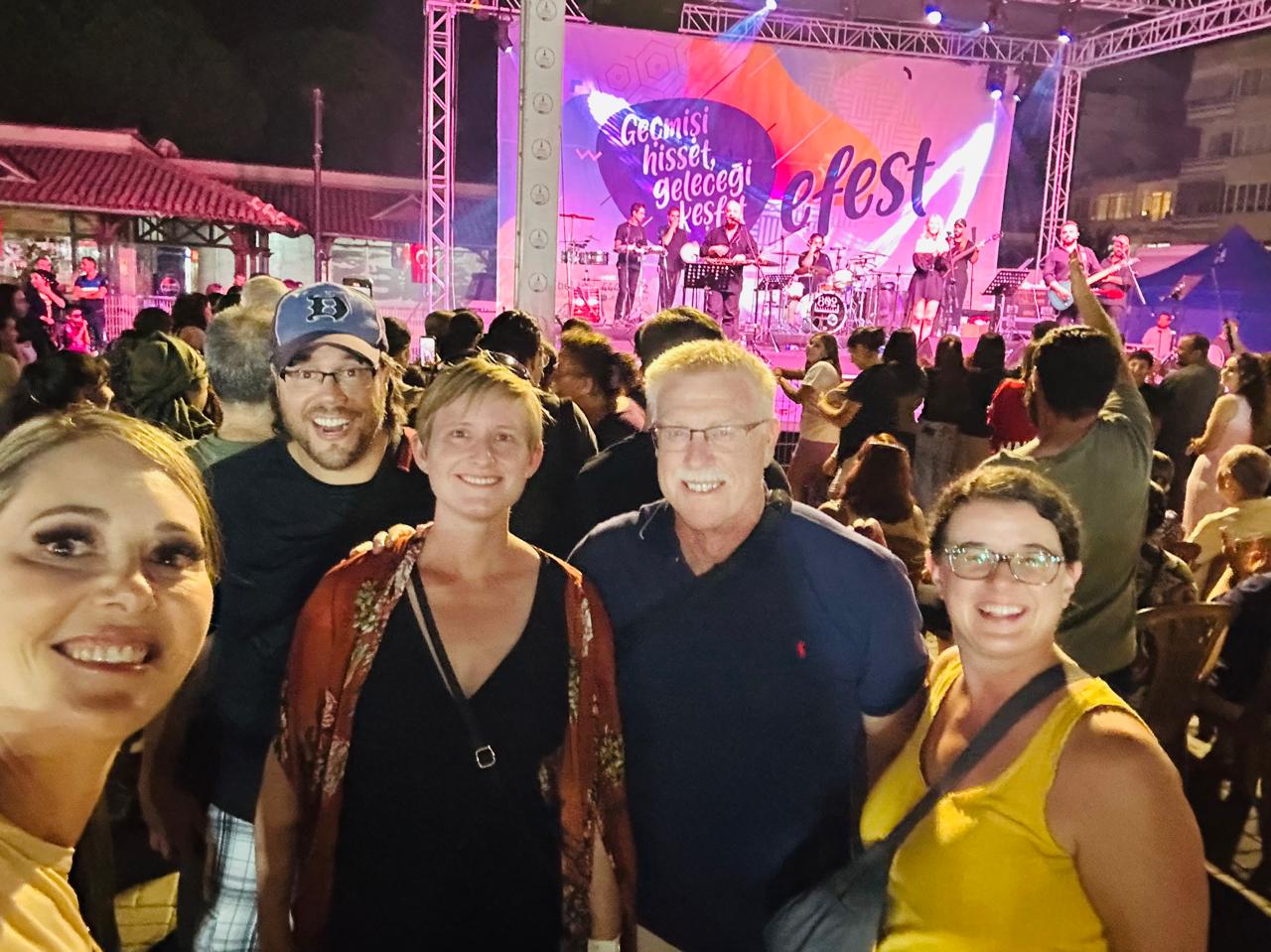
The afternoon we saw Ephesus was the day that Kaycee had her medical emergency, so we were all feeling a little harrowed while also impressed by the site. After a nice dinner and walking back to our hotel, we realize we are located right in the middle of a massive street festival and celebration for Selcuk’s Victory Day, with vendors lining the streets and so much varied street food. After a quick walk through a few of us stayed to enjoy the live music stage, a Turkish band that was incredible and fun! We danced and enjoyed for a short time until the finale of “I Will Survive” sung in Turkish.
Çatalhöyük
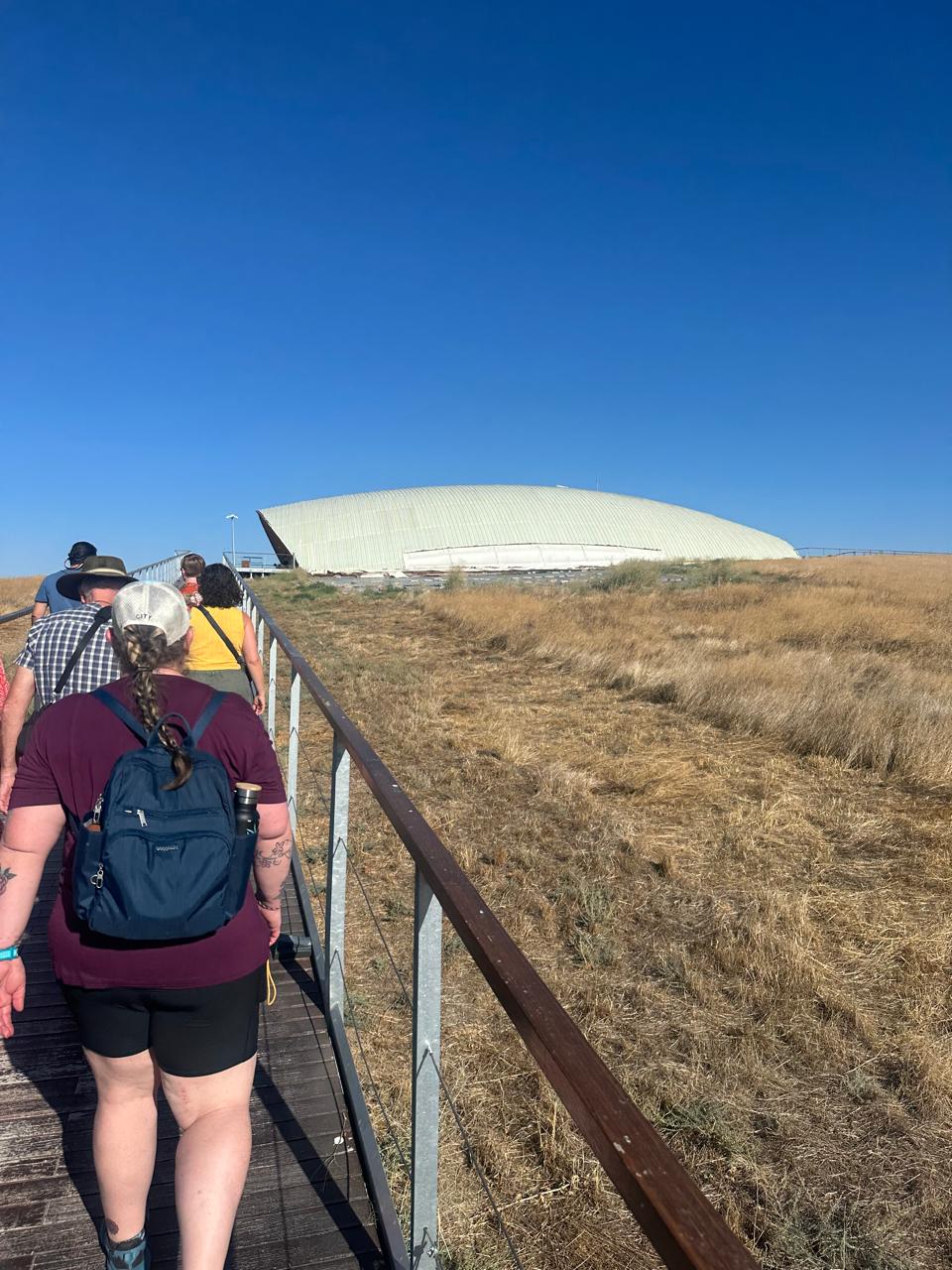
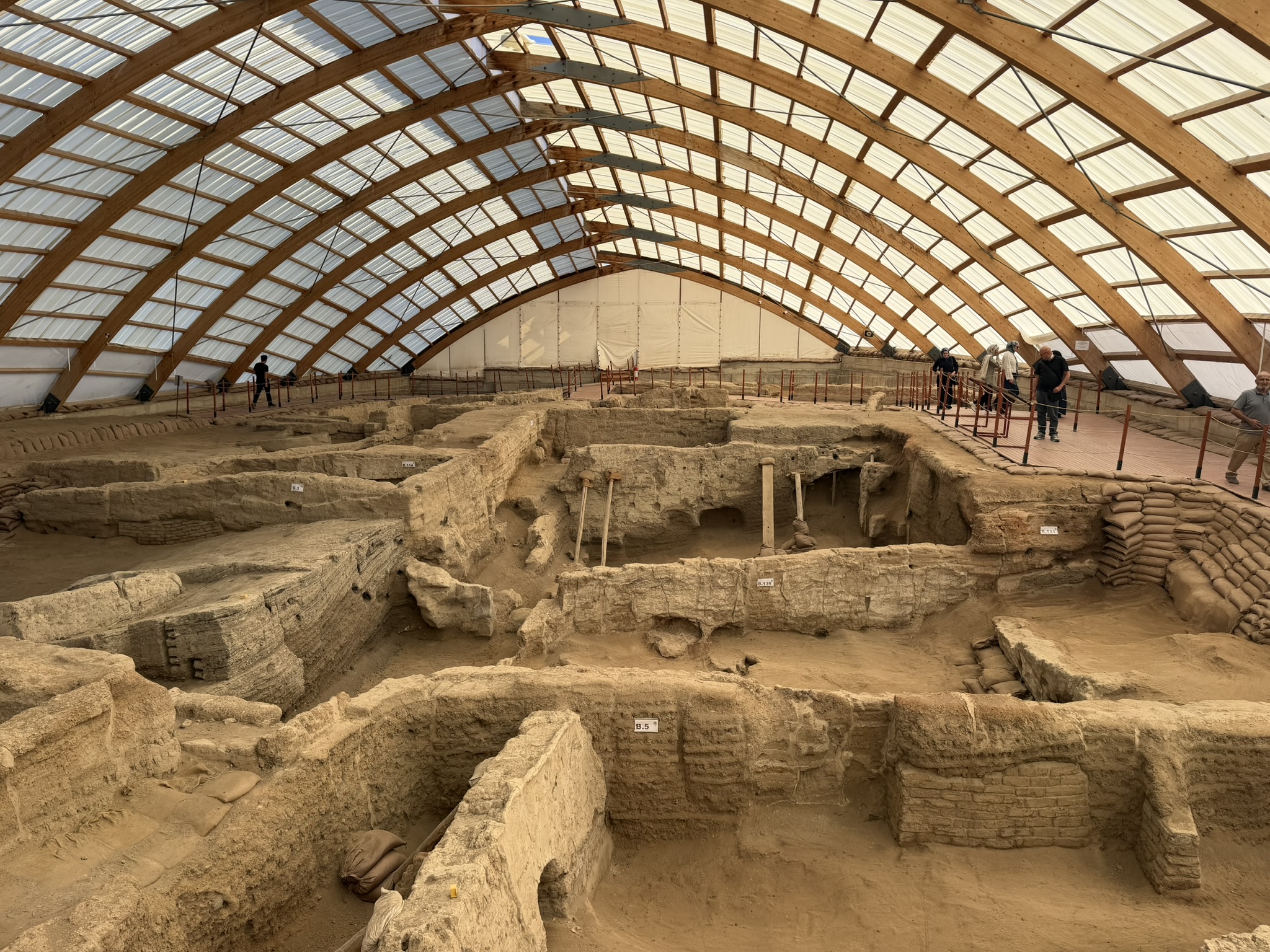
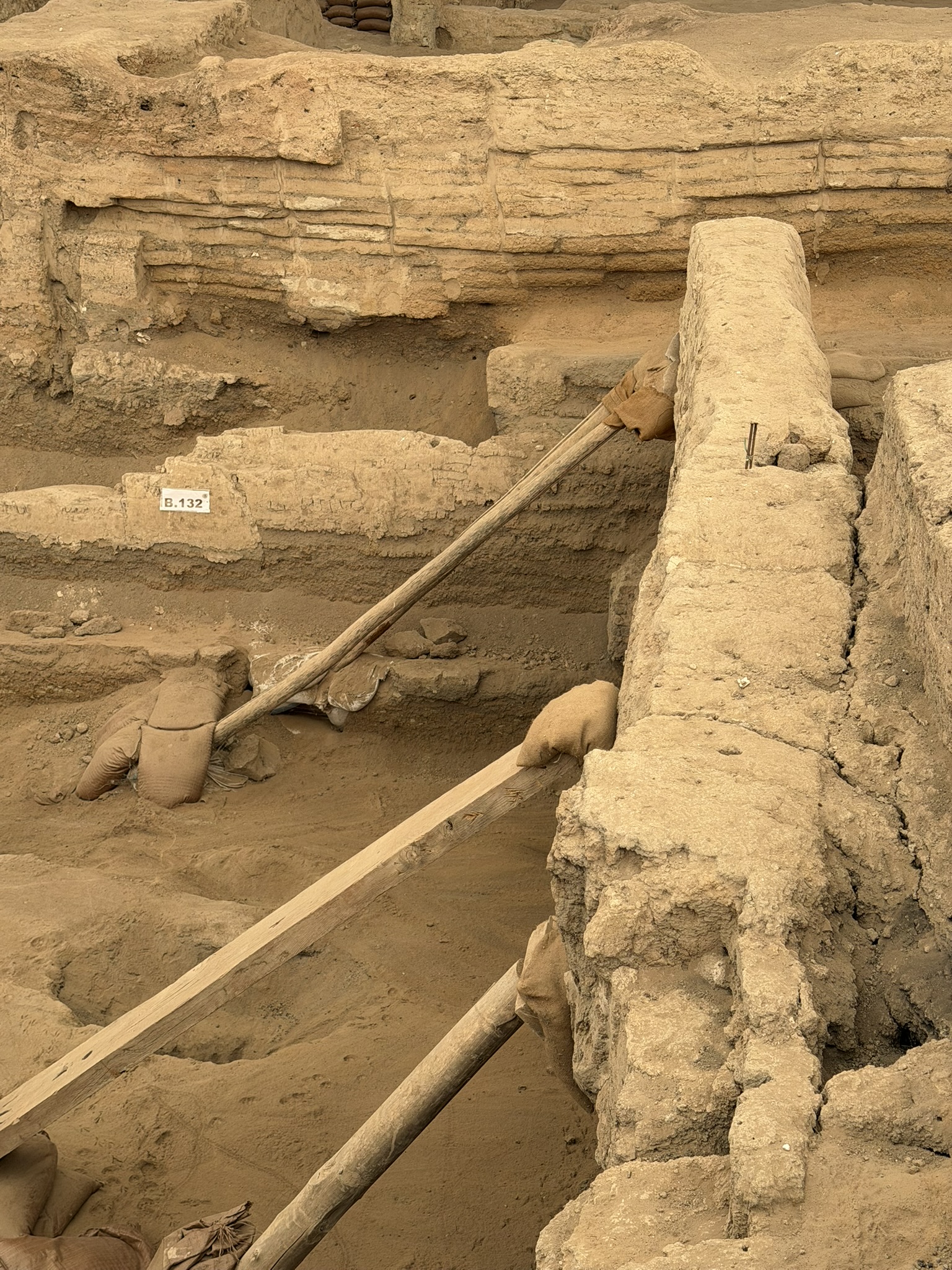
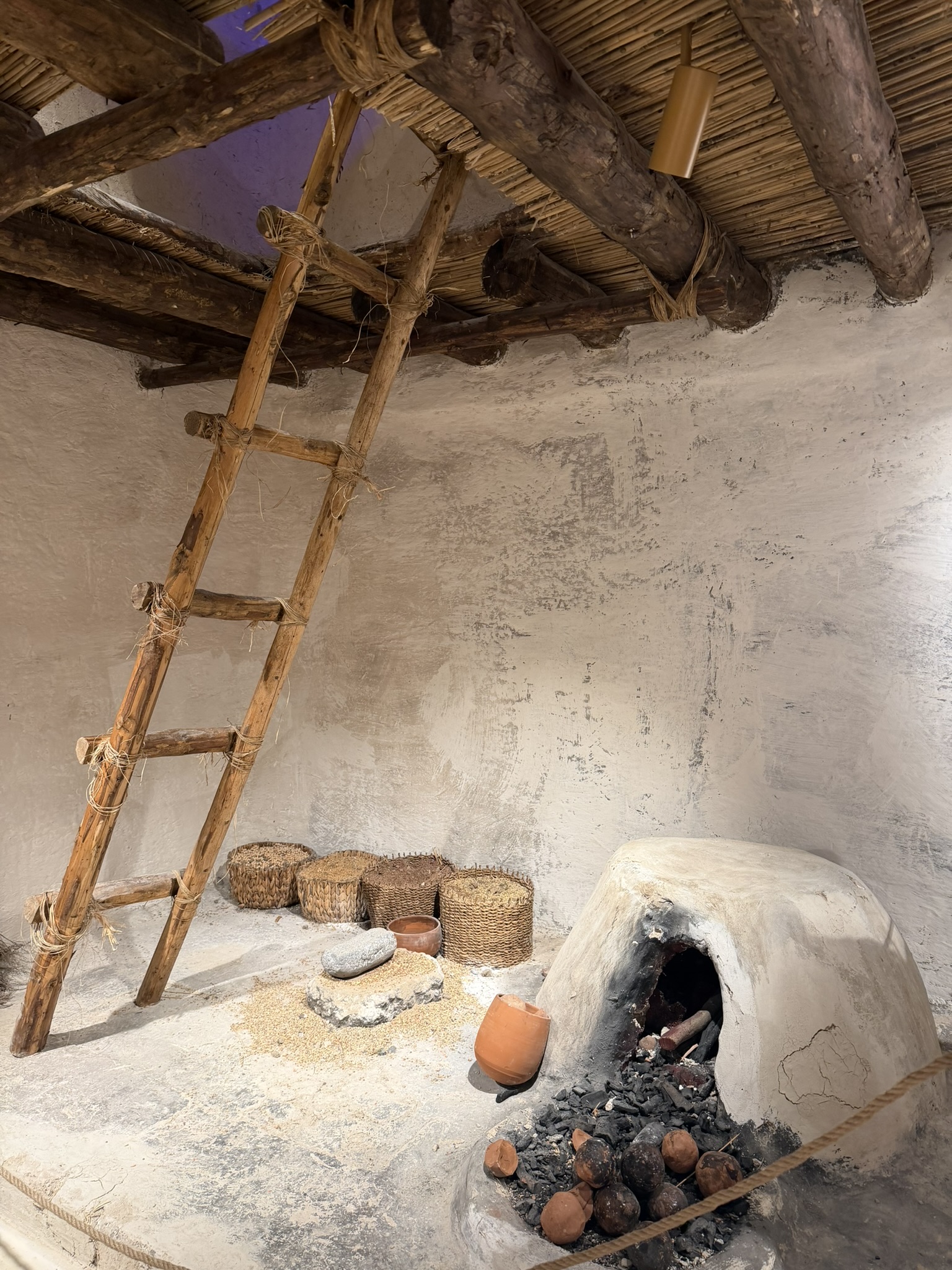
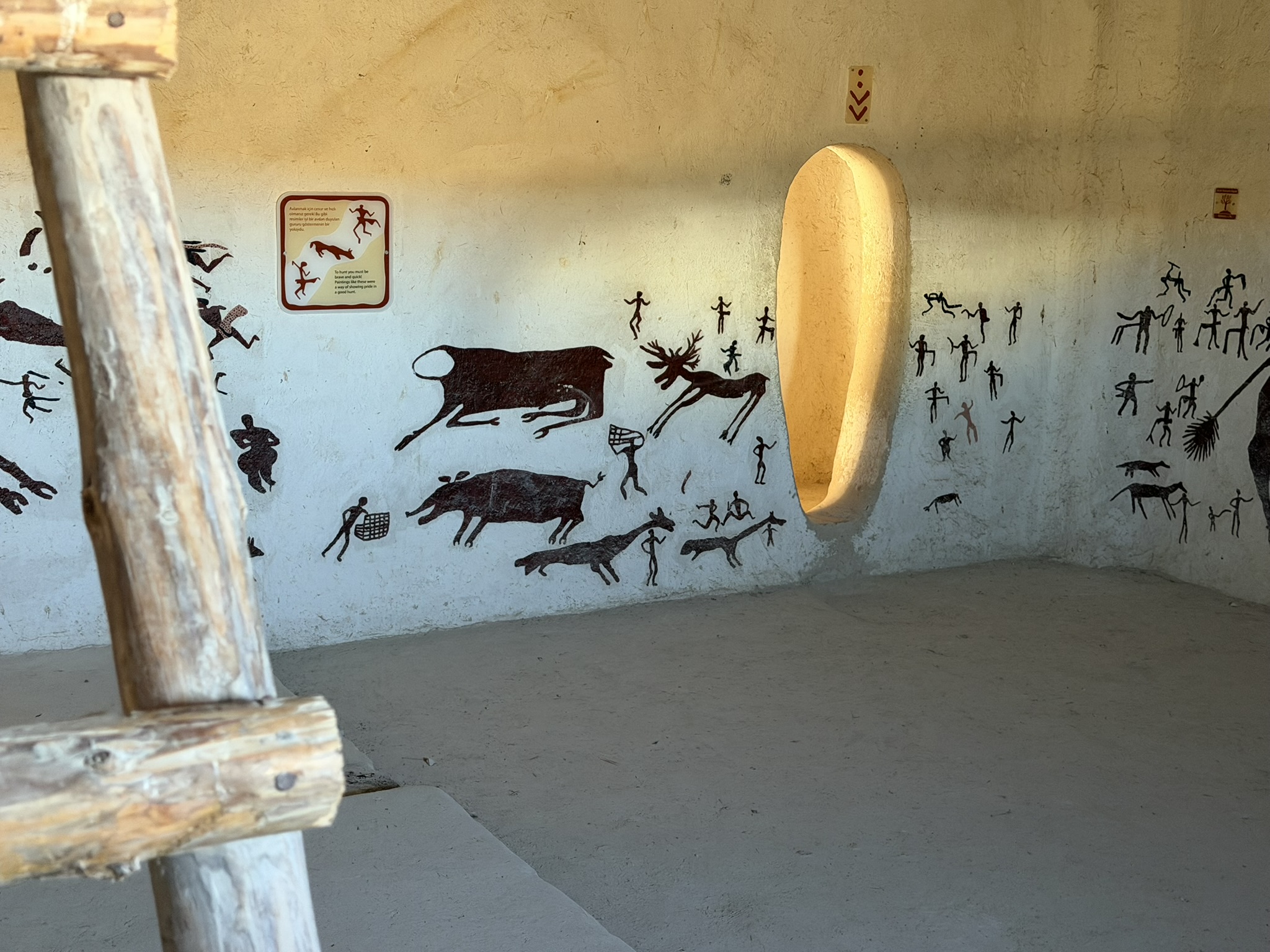
Waking up from a nap one day, I found the van stopped in another old place for which I had zero context, but I quickly woke up in amazement about what it was. In 1958, some young Brits were driving in the Turkish countryside and took notice of a mound among the flat expanse. Being archeologists, they dug up the site, discovering what became known as Çatalhöyük: a neolithic-period town first developed around 7100 BC and representing one of the first human settlements. We walked through the dig site, museum, and replica houses, learning what life must have been like during that time. Houses didn’t have doors, just ladders onto the roofs where everyone hung out and did their work. It was pretty mind-blowing.
Caravanserai
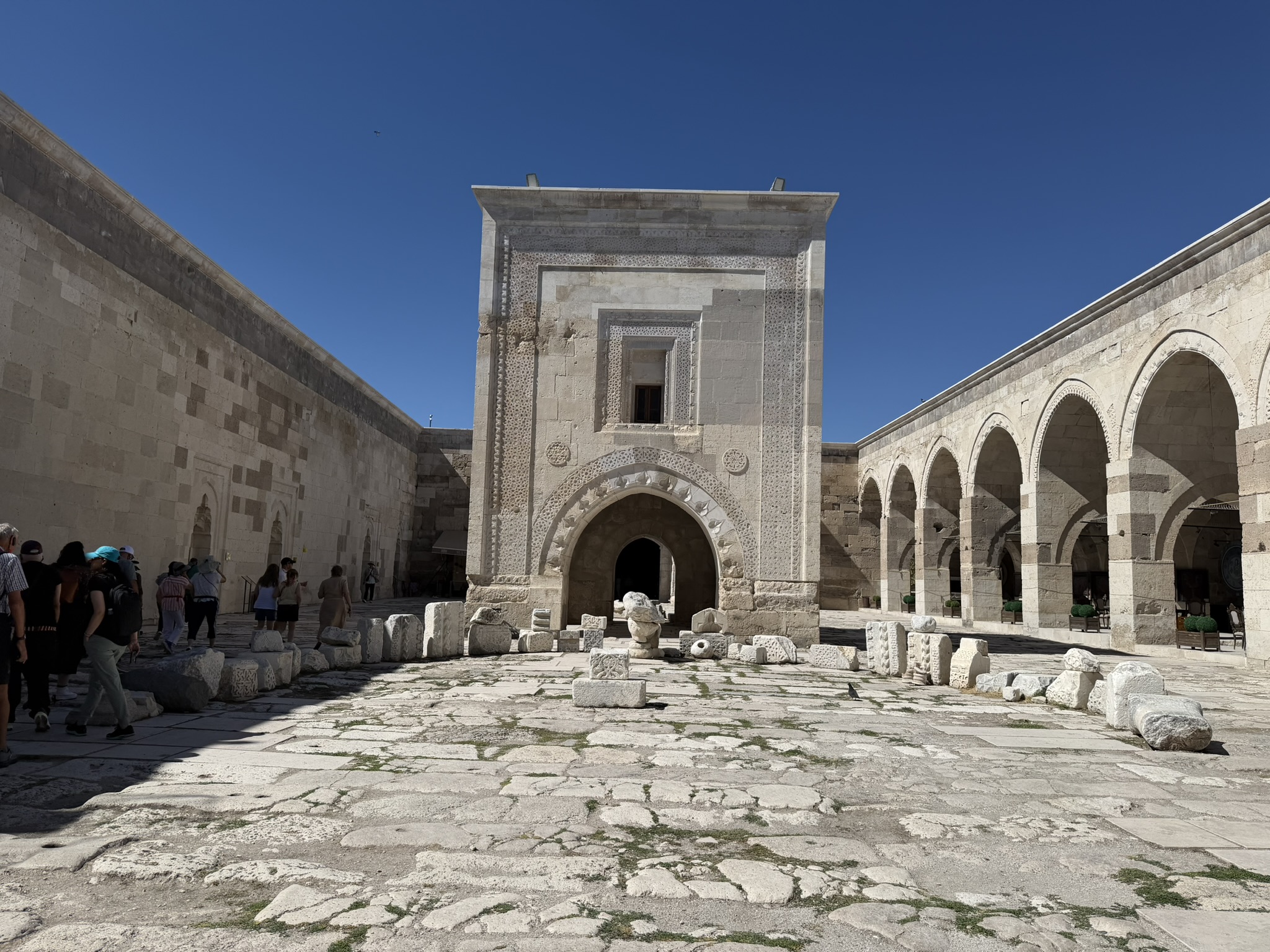
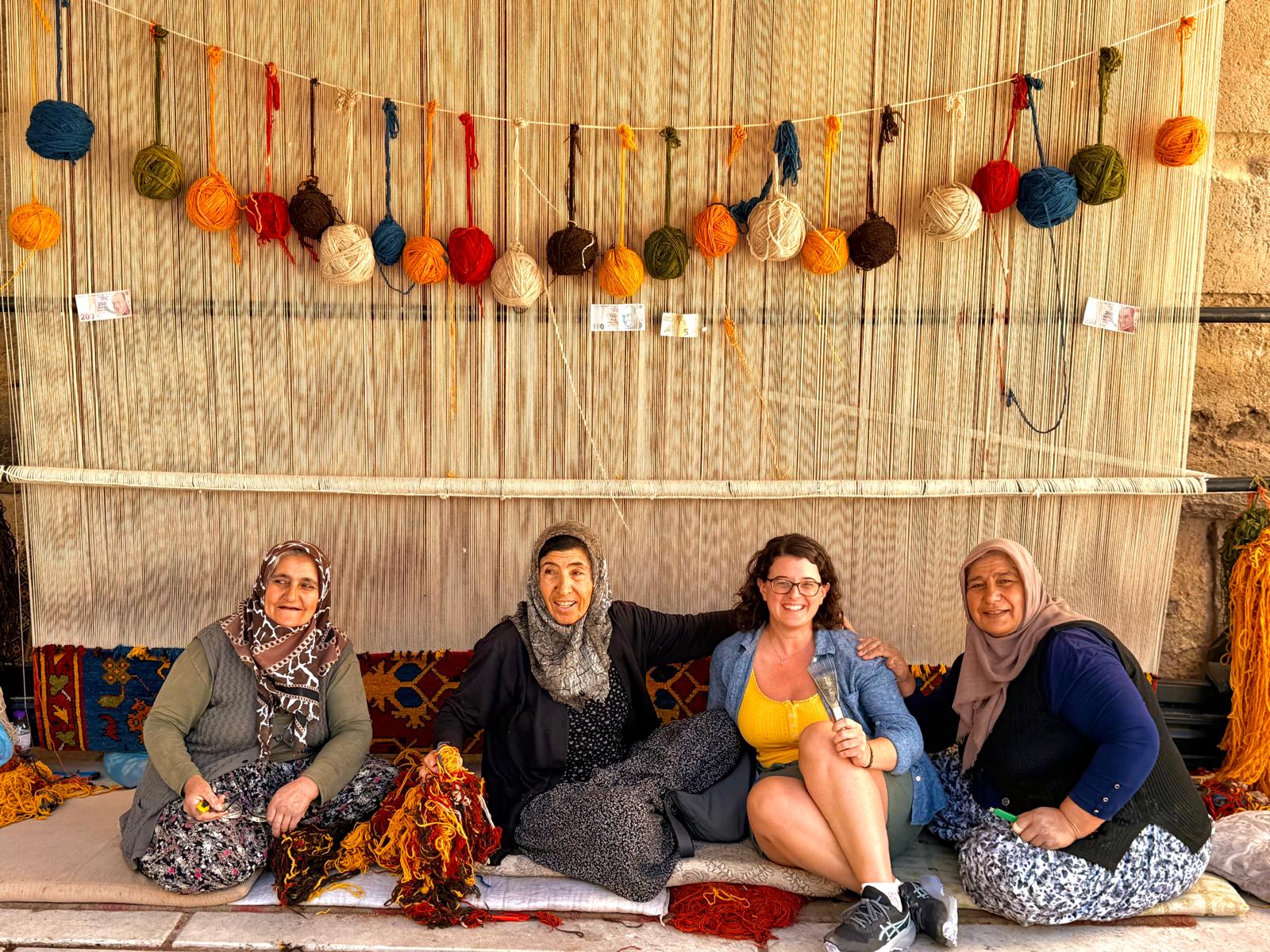
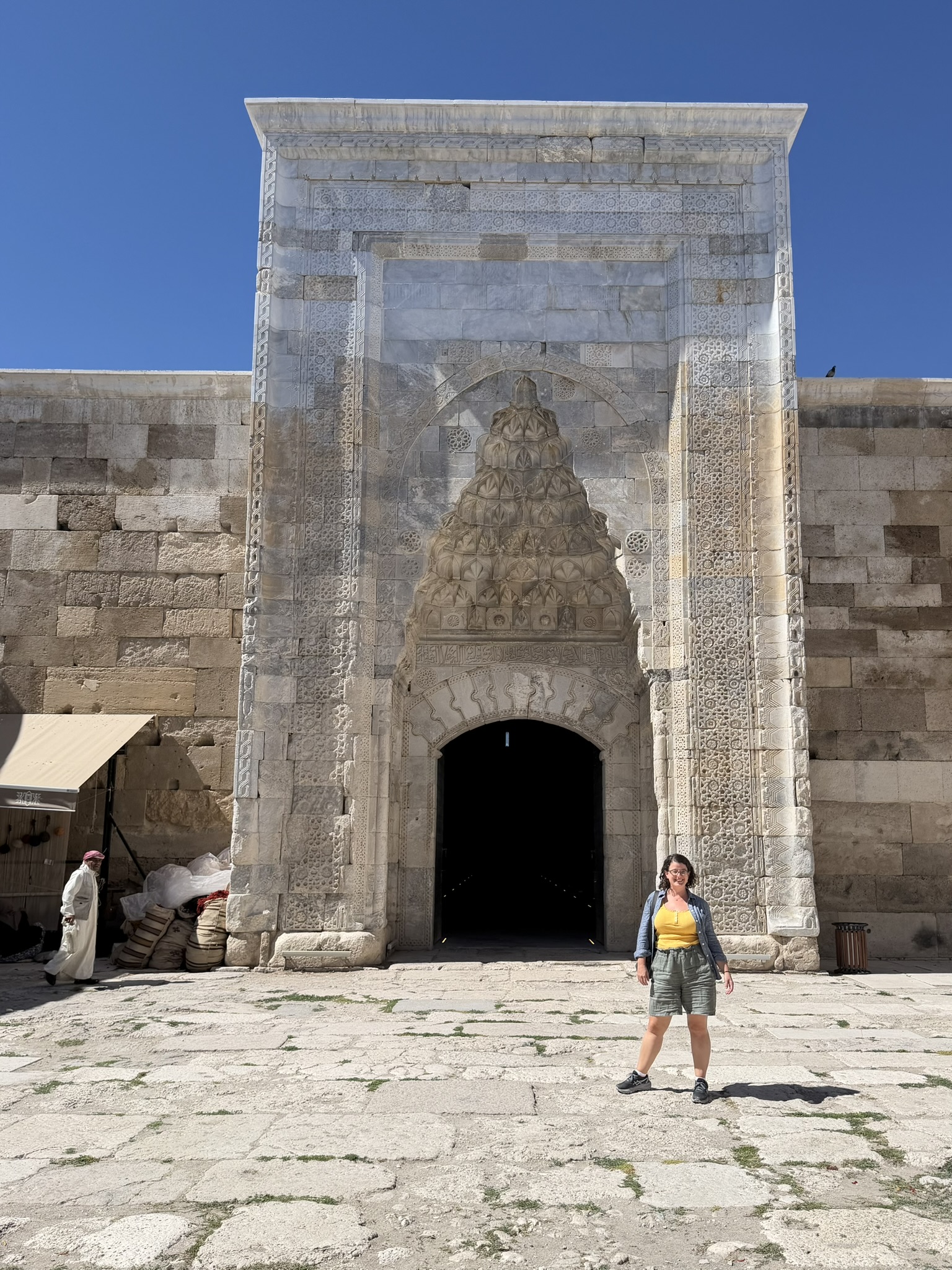
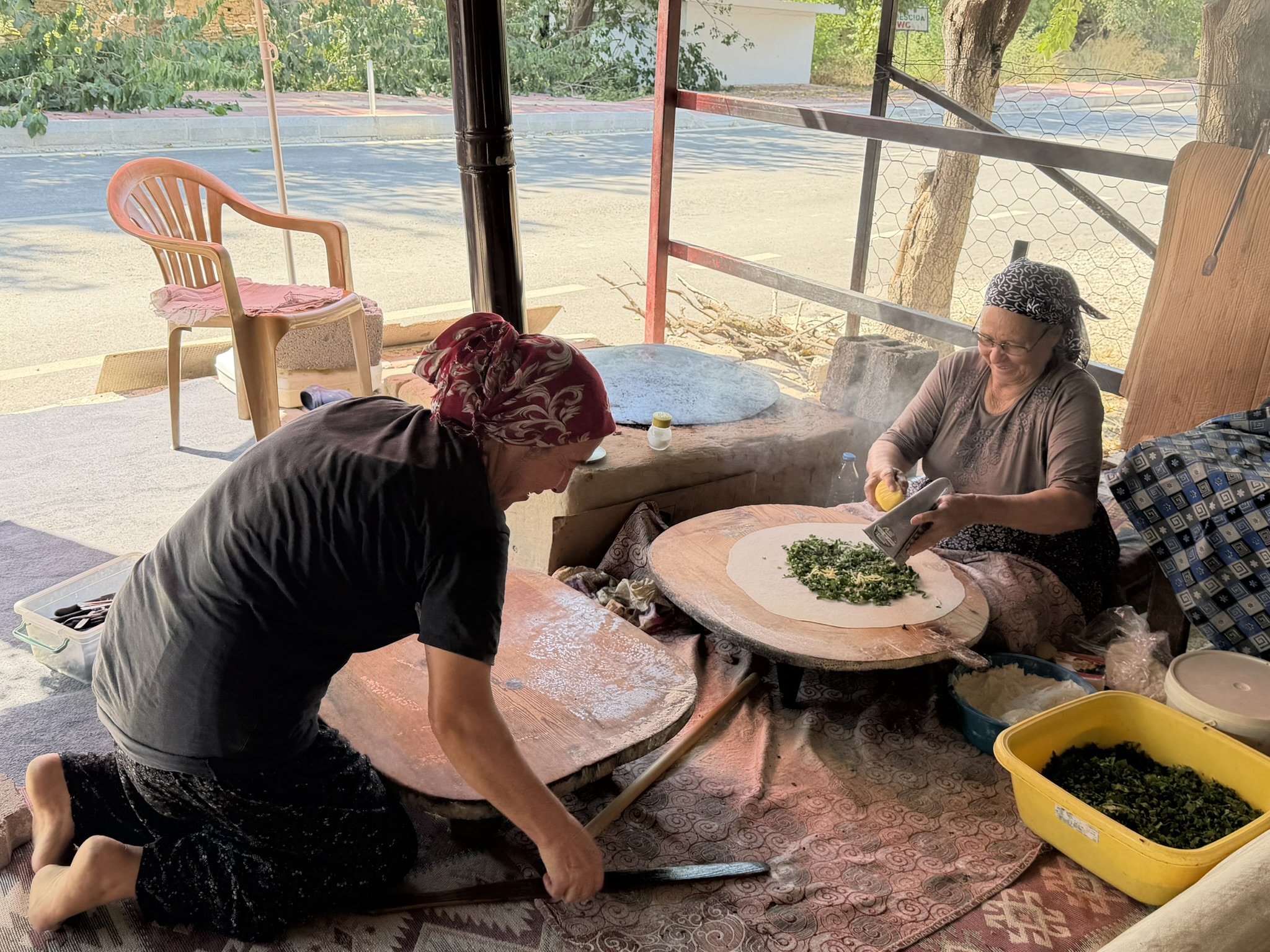
In between one of our long drives, we stopped at a caravanserai. Appropriate to our journey, these were ancient resting places for travelers and traders journeying along the Silk Road. They were essentially free inns to stay, eat, trade, and rest up. It resembled a small palace complex and was very interesting. This spot had a carpet exhibition inside, and some older women were weaving outside, pulling me in to try it with them. I enjoyed learning the double loop method but was a little hesitant with the knife they handed me.
Antalya
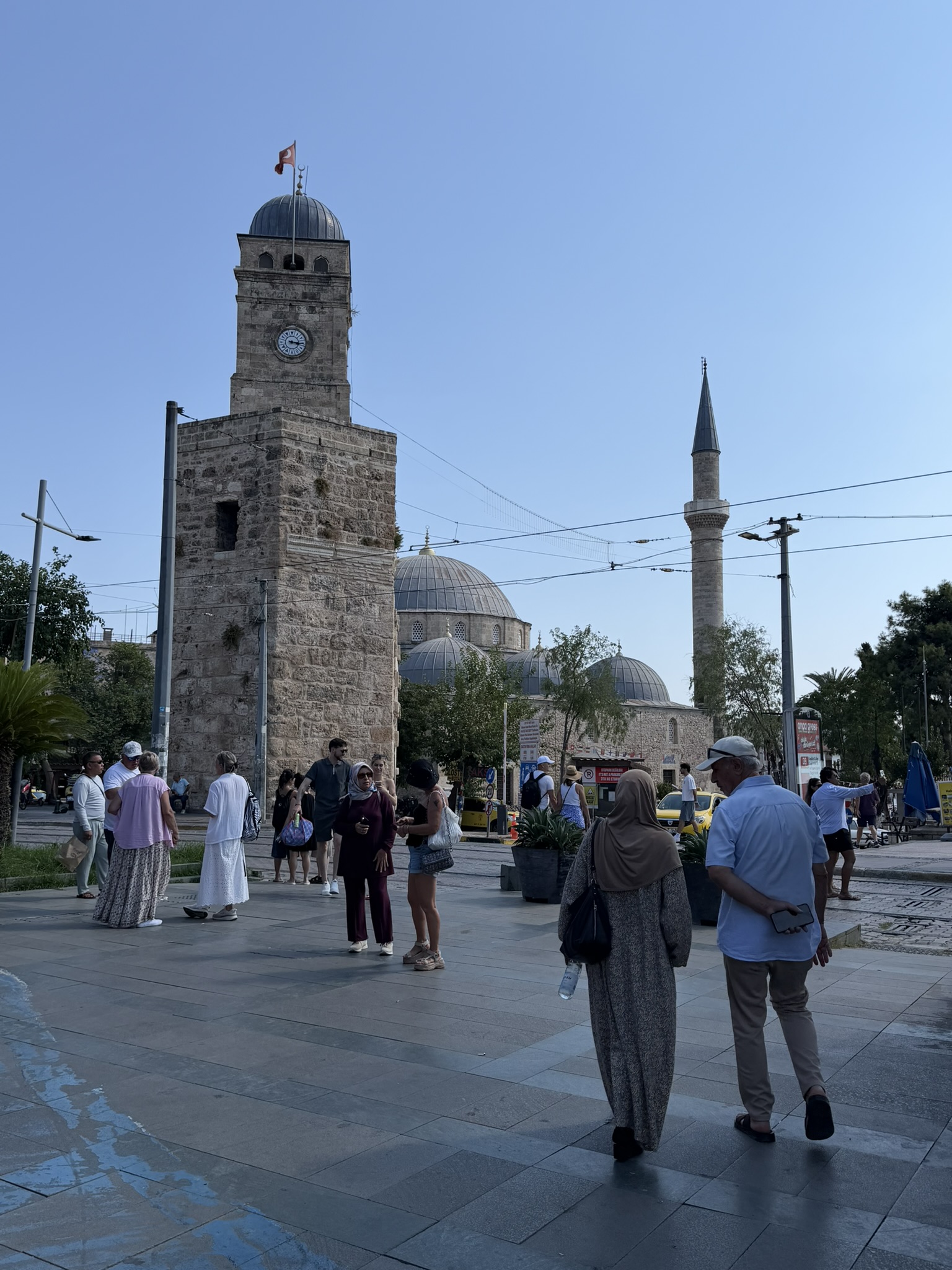
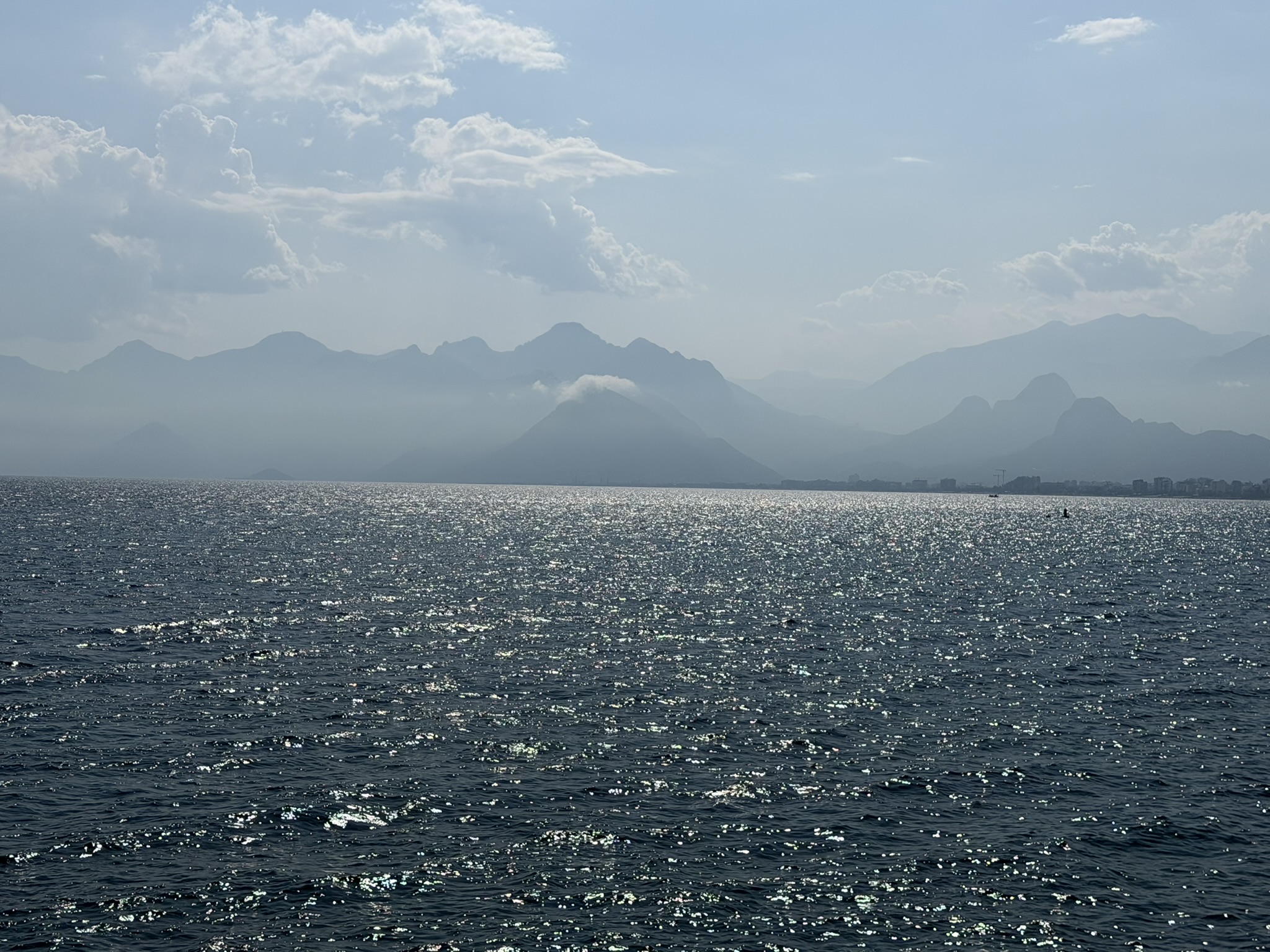
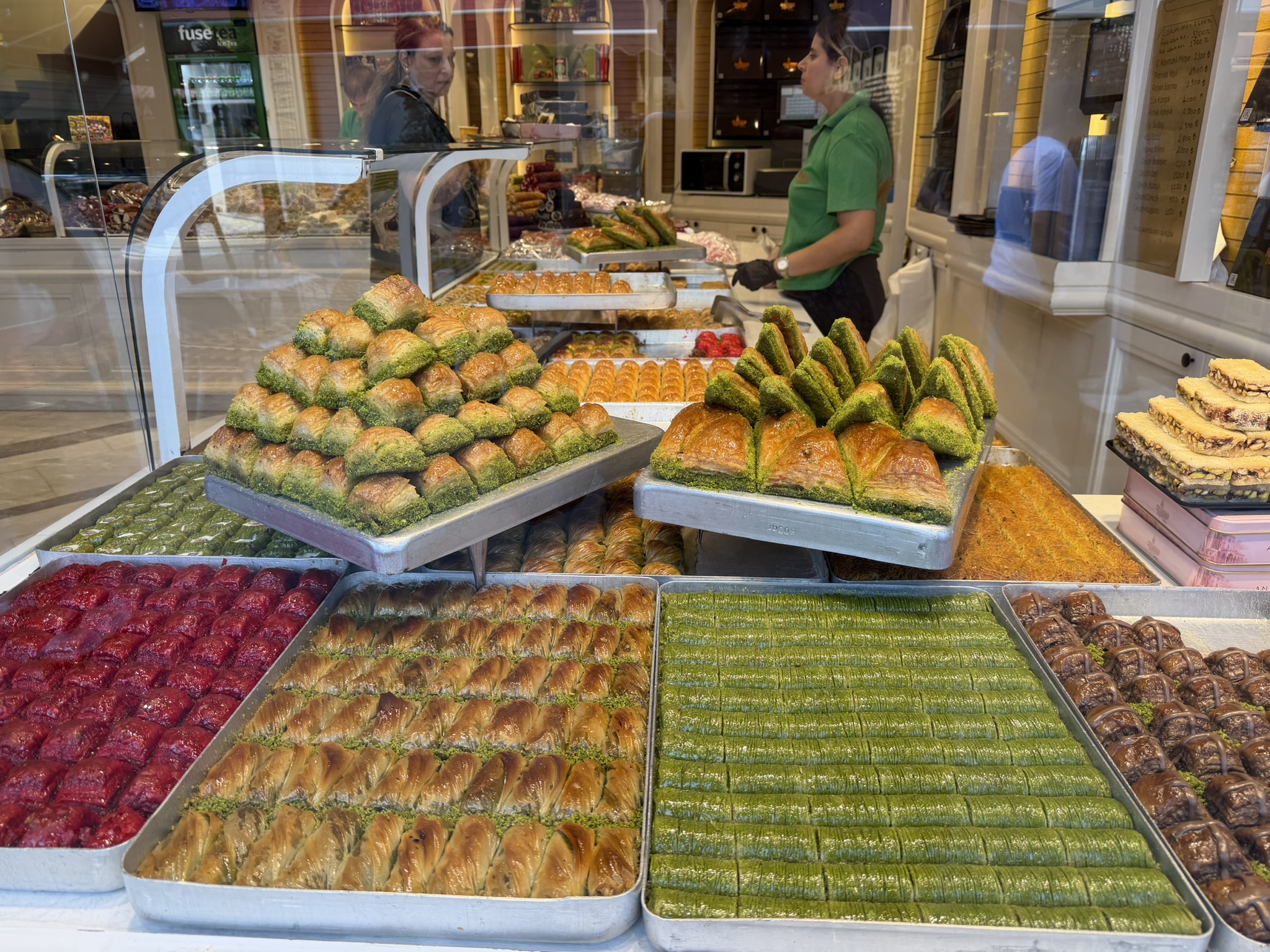
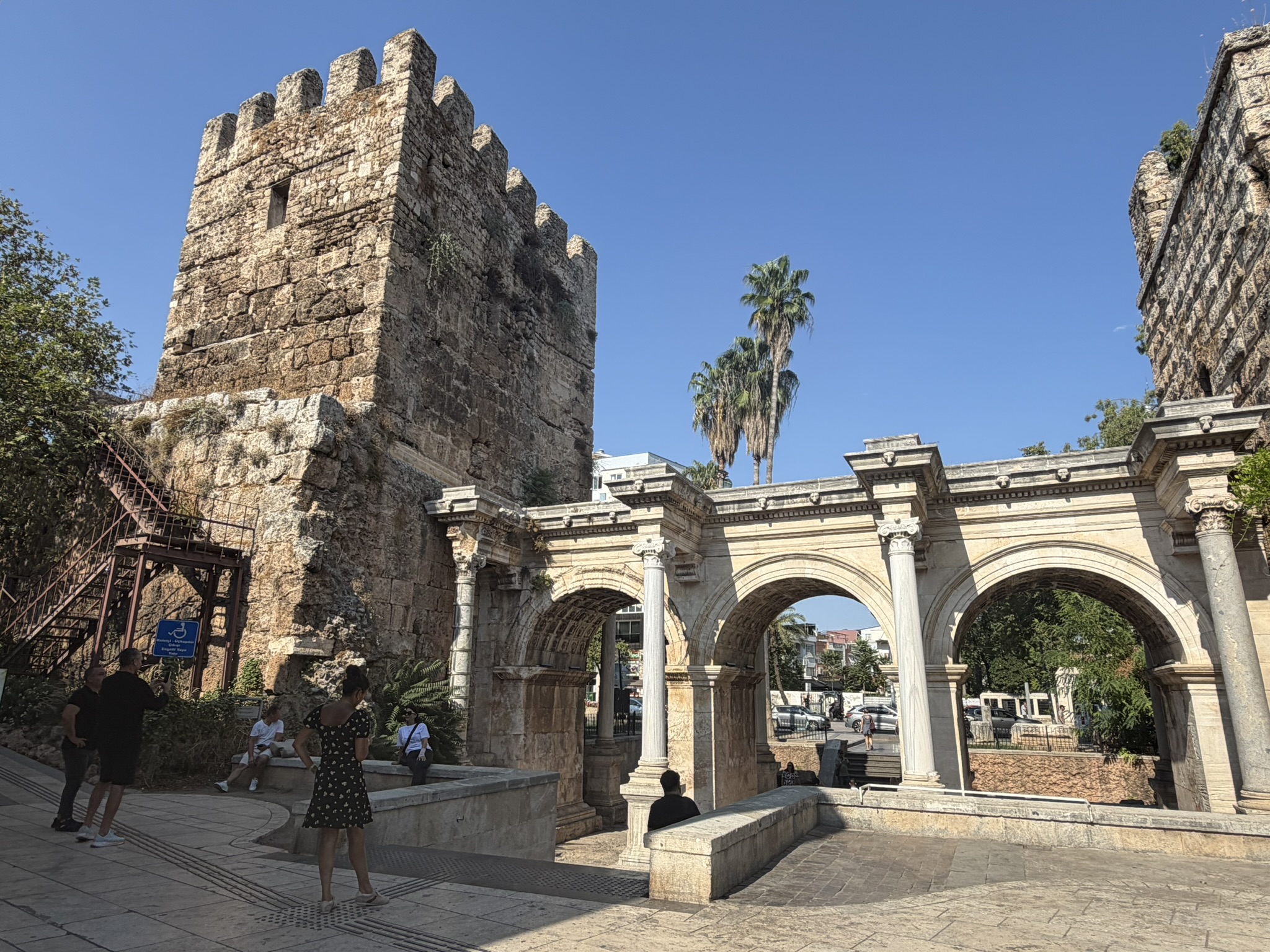
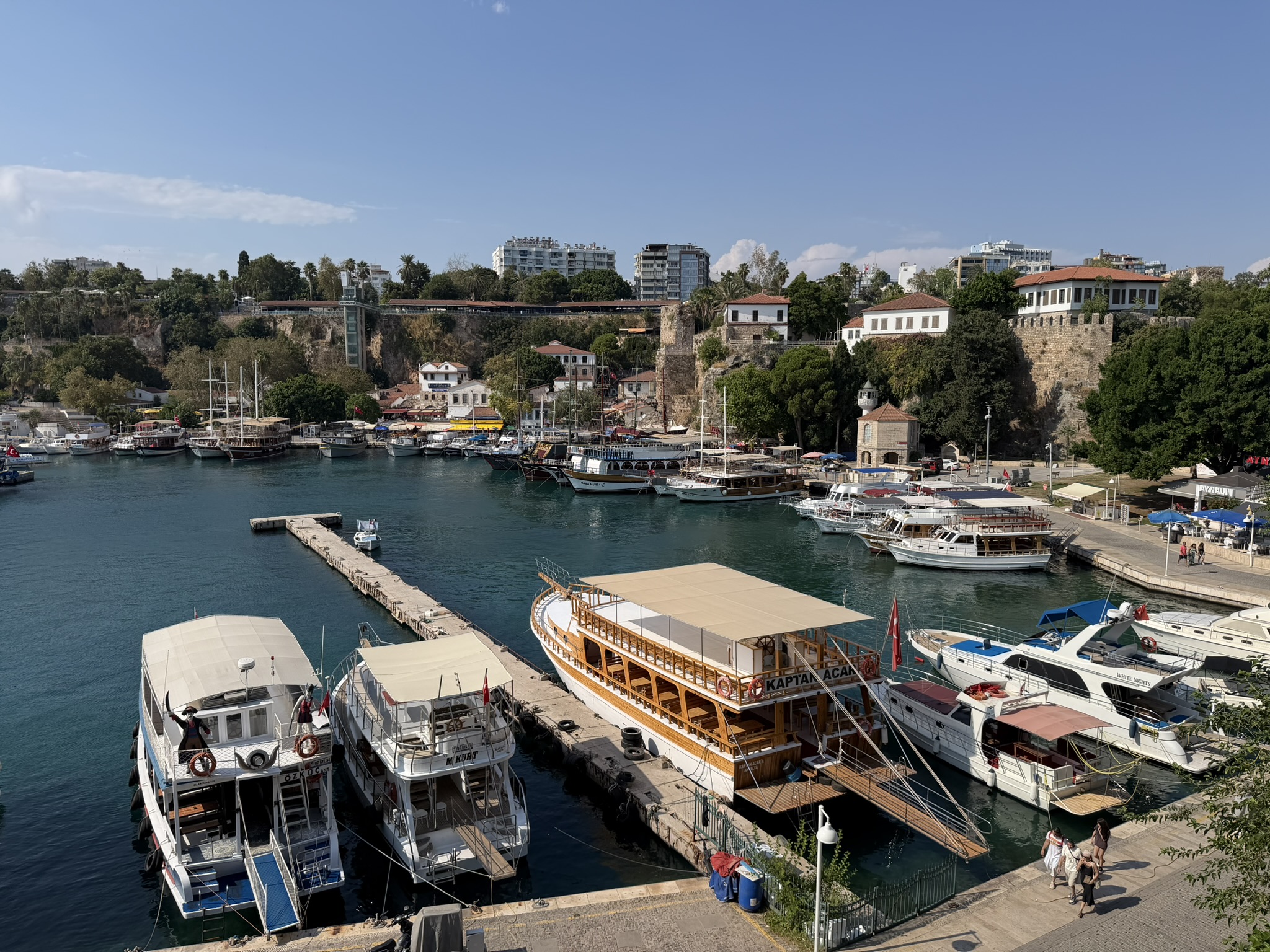
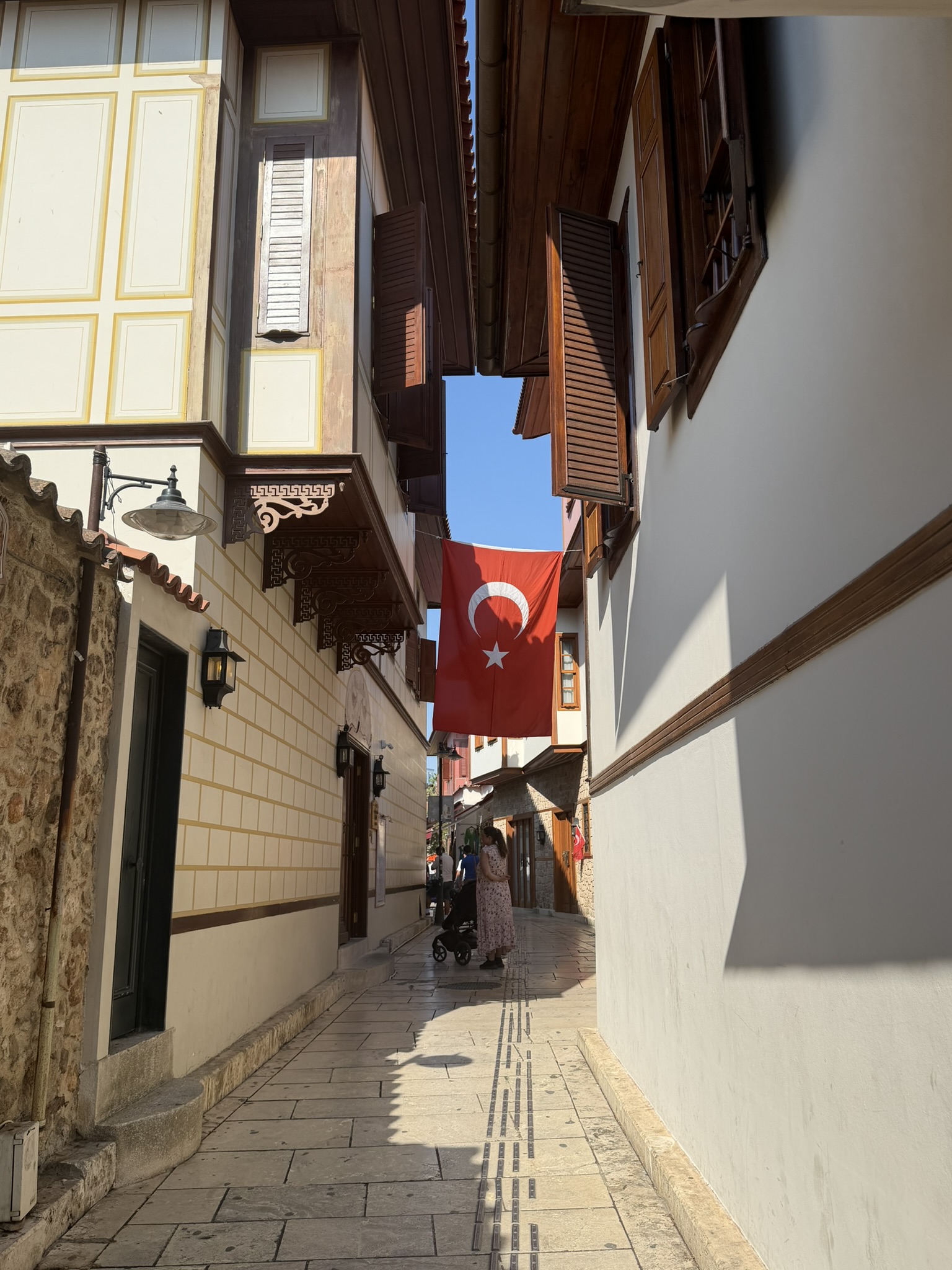
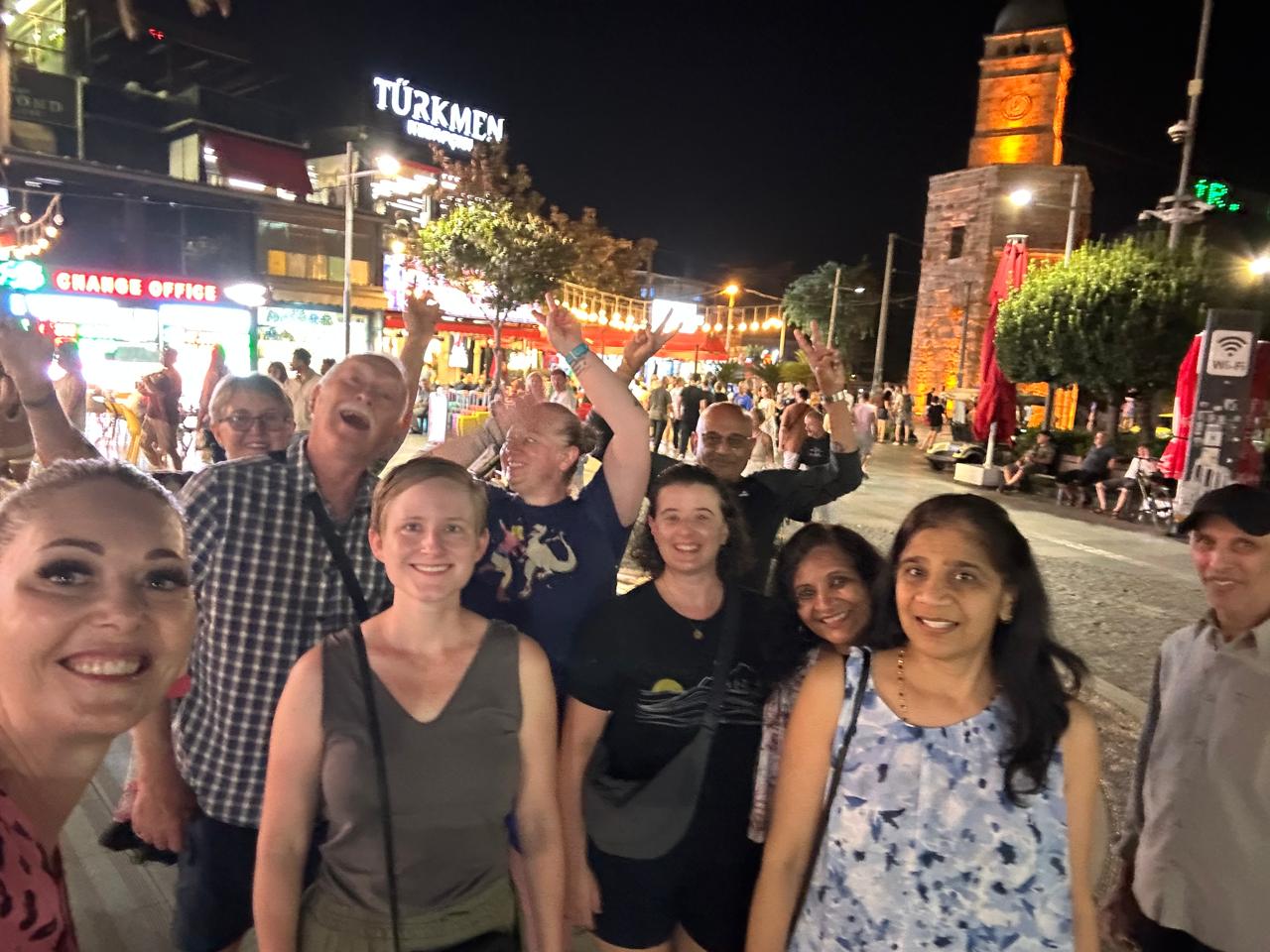
A popular waterfront destination and one of the most-visited cities on the planet, Antalya was just a one-night stop with lots of daytime for exploration and fun activities. The Old Town area was adorable with narrow streets and empty in the scorching late afternoon heat. The harbor was not central to the city but very inviting, with mountains from the coastline stretching across the sky. There were no beaches, but some people swimming from nearby rocks. I loved walking the busy downtown center, even stepping into a modern mall and food court with western fast food chains next to the Turkish cuisines.
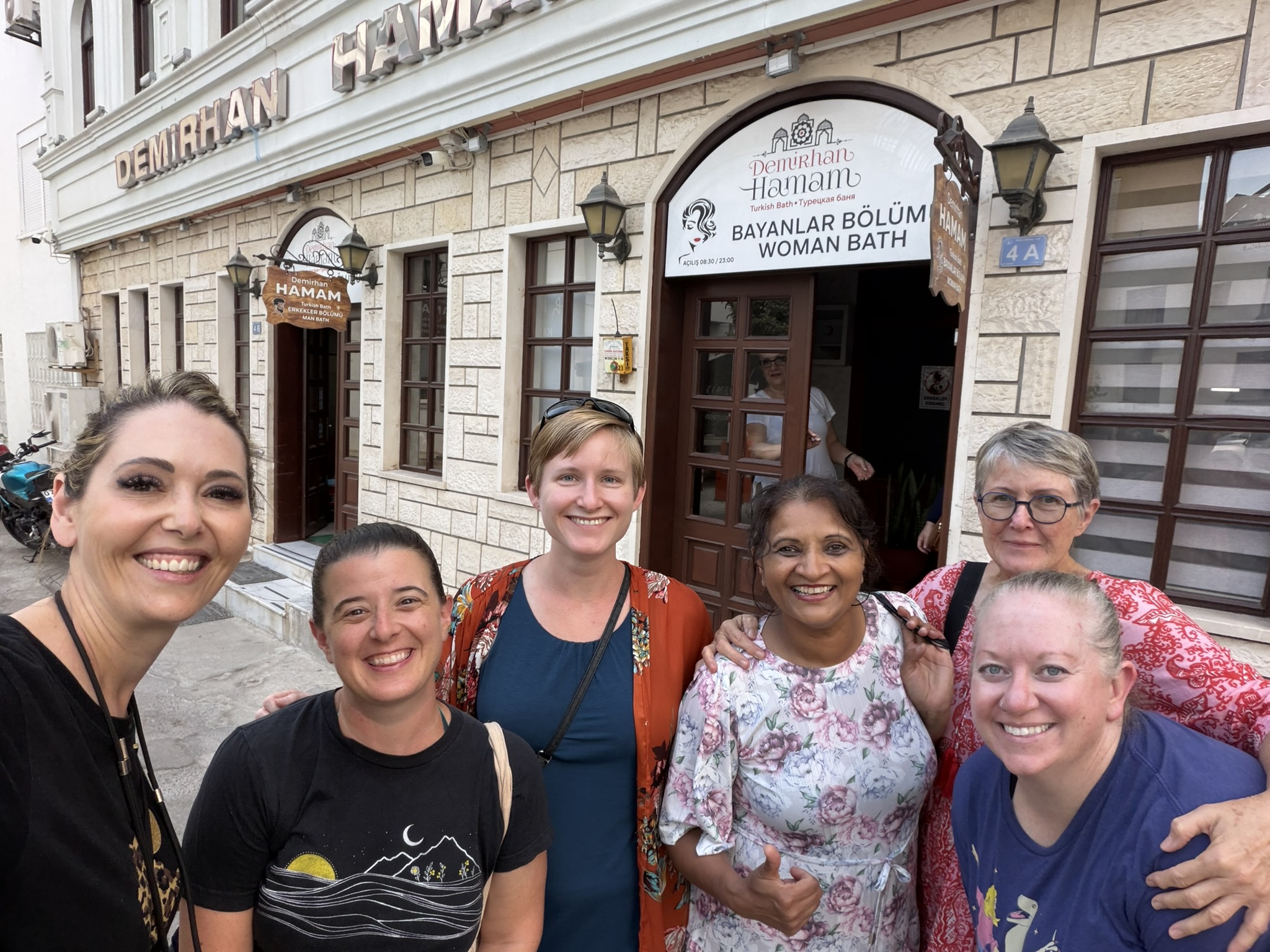
Antalya was where we experienced the highly-anticipated Turkish Baths and hammam scrub. Six women from my group chose to participate, no men. The entrances are separate anyway. We each got a woman in black underwear assigned to us. After stripping into our bathing suit bottoms, we were accompanied to a hot room where we were laid on a hot marble slab to warm up, tits out. Next, we were put into a sweltering sauna which we had to exit before they came and got us. Then it was scrub time! Laying on narrow marble slabs, we eat got aggressively scrubbed on every tender inch of our bodies. I was shocked when I looked and saw the dead skin coming off. Then we got soaped up and got a quick massage, before being rinsed off with bowls of warm water. After recovering with some tea and feeling good in the lobby, we were taken to yet another treatment, an oil massage. It was amazing and weird and relaxing and we all loved it. At the end in Istanbul Han and I made it a priority to do another one, this spot geared a little more toward tourists with a co-ed common room and relaxing swimming pool. I hadn’t felt that relaxed in a long time.
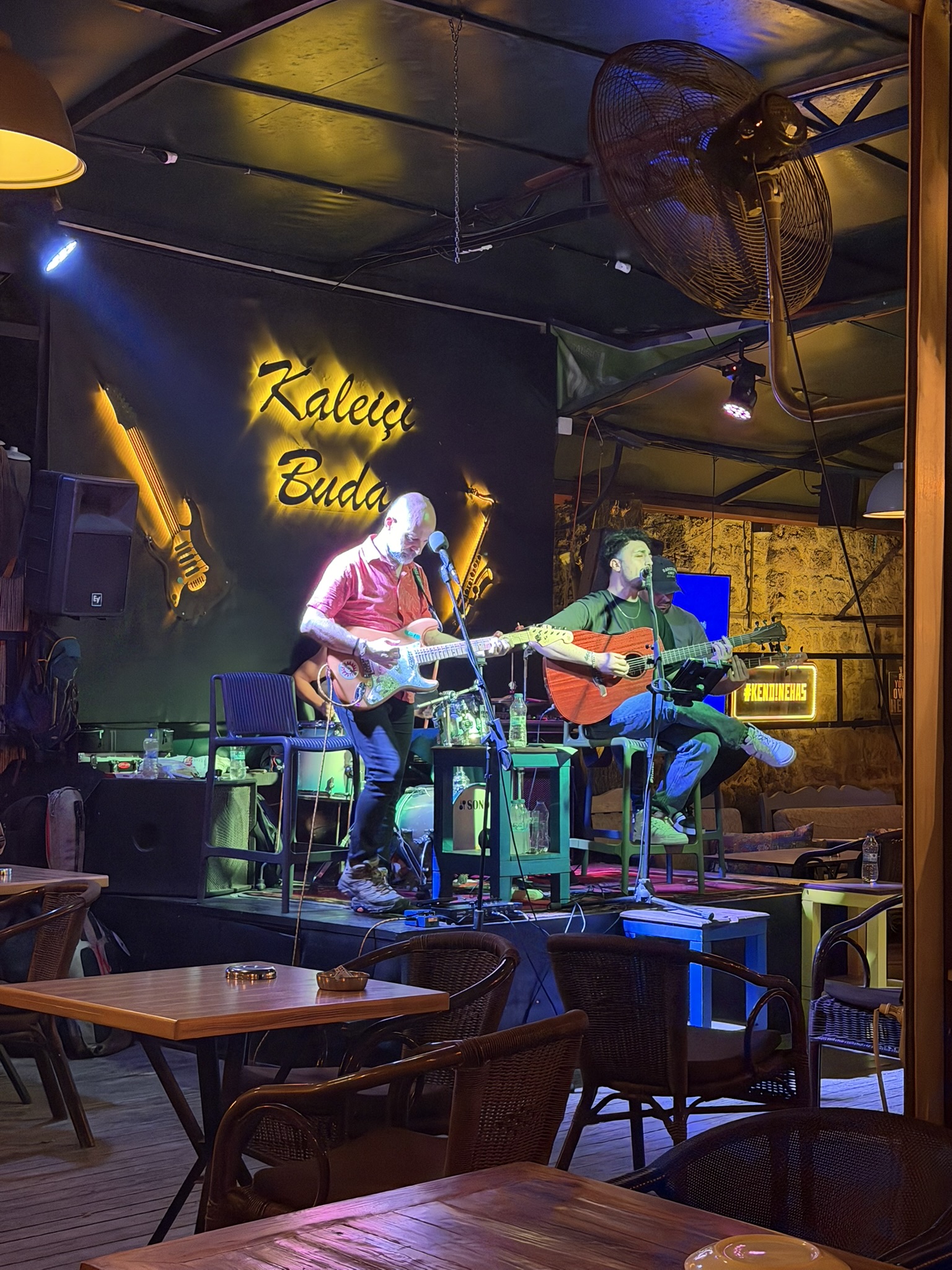
Dinner in Antalya was a unique night, as we found a restaurant/garden with live music, a band playing modern Turkish rock music like I had never heard before. I loved the vibe and the company.
Kaş
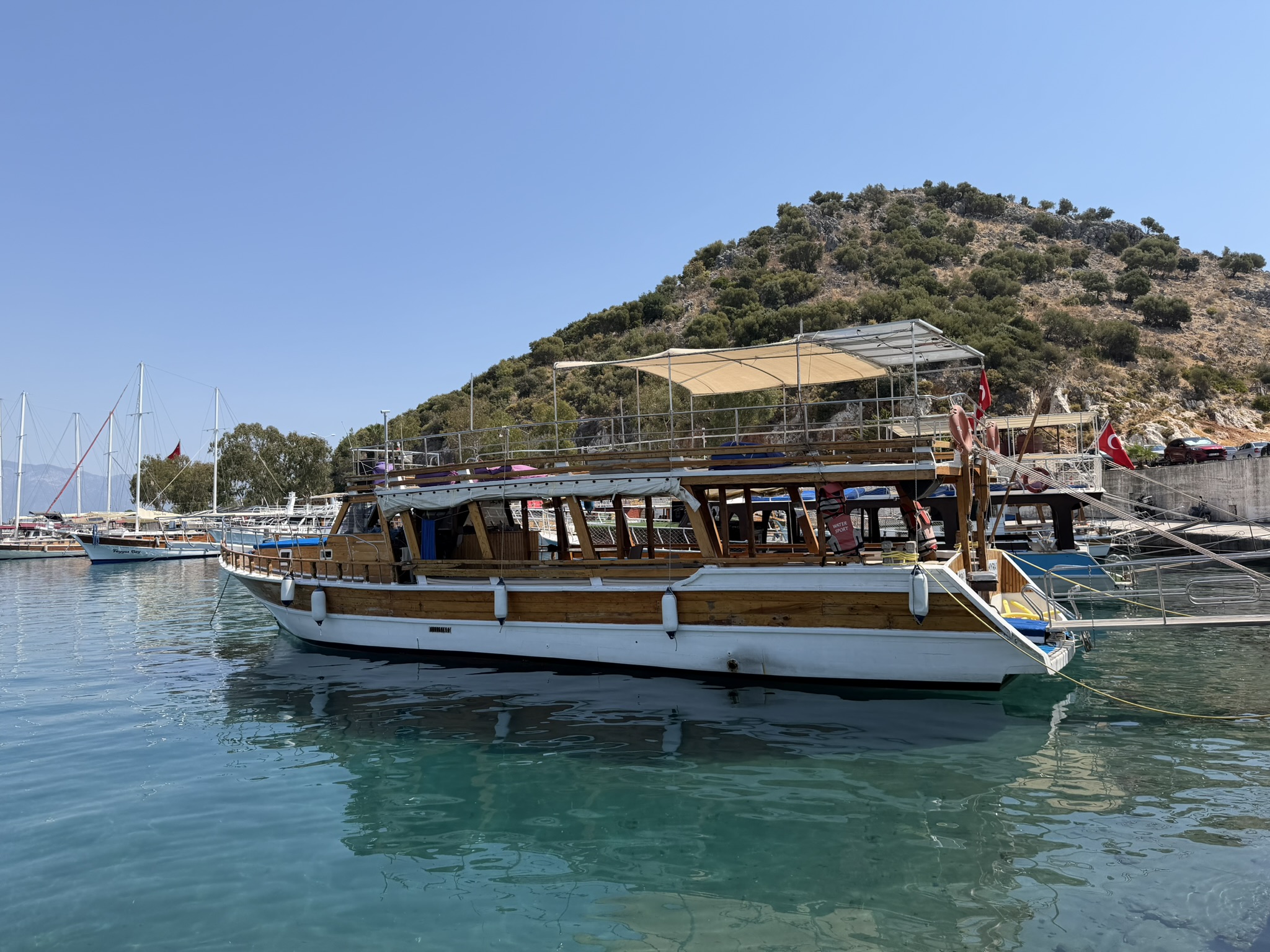
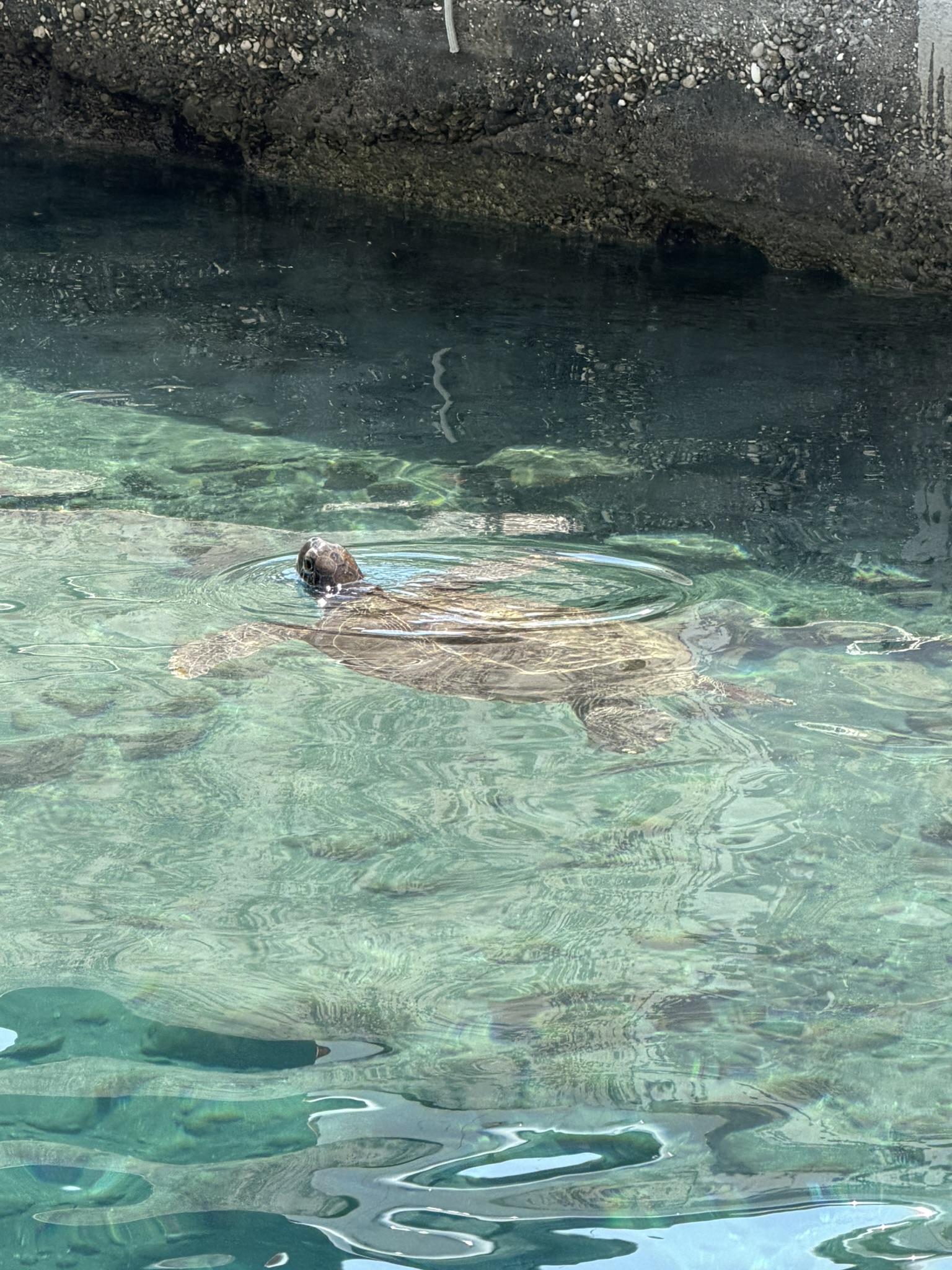
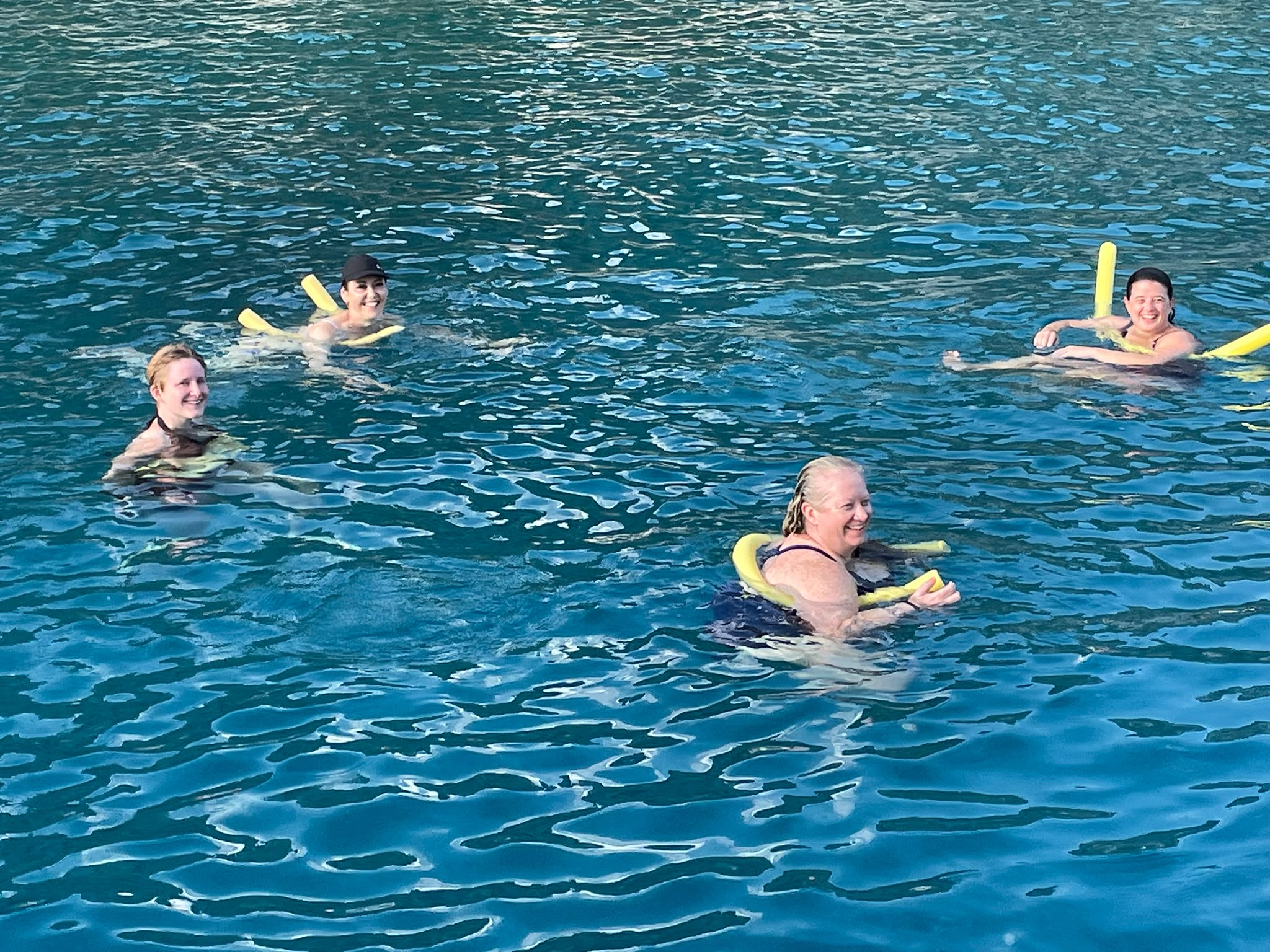
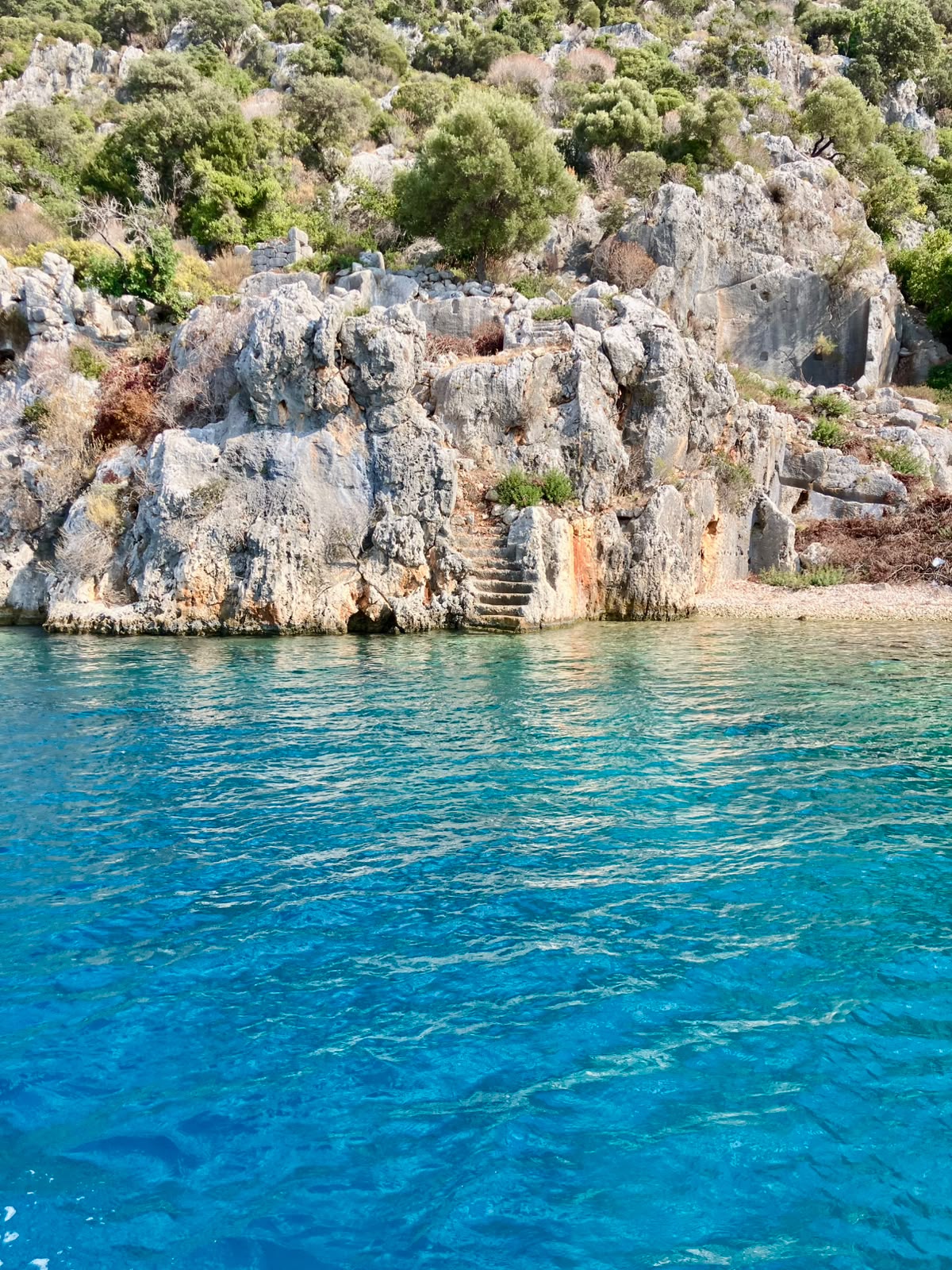
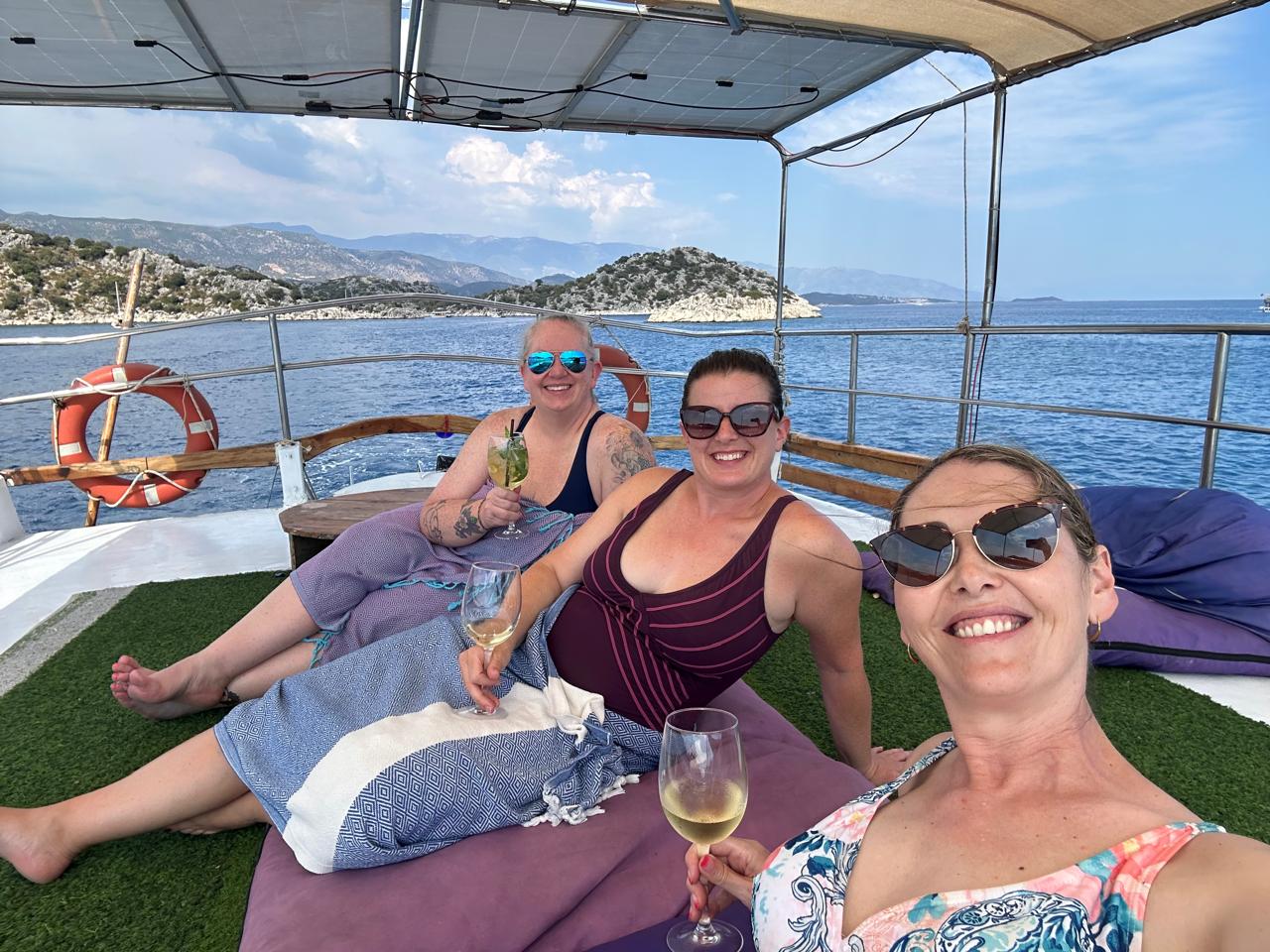
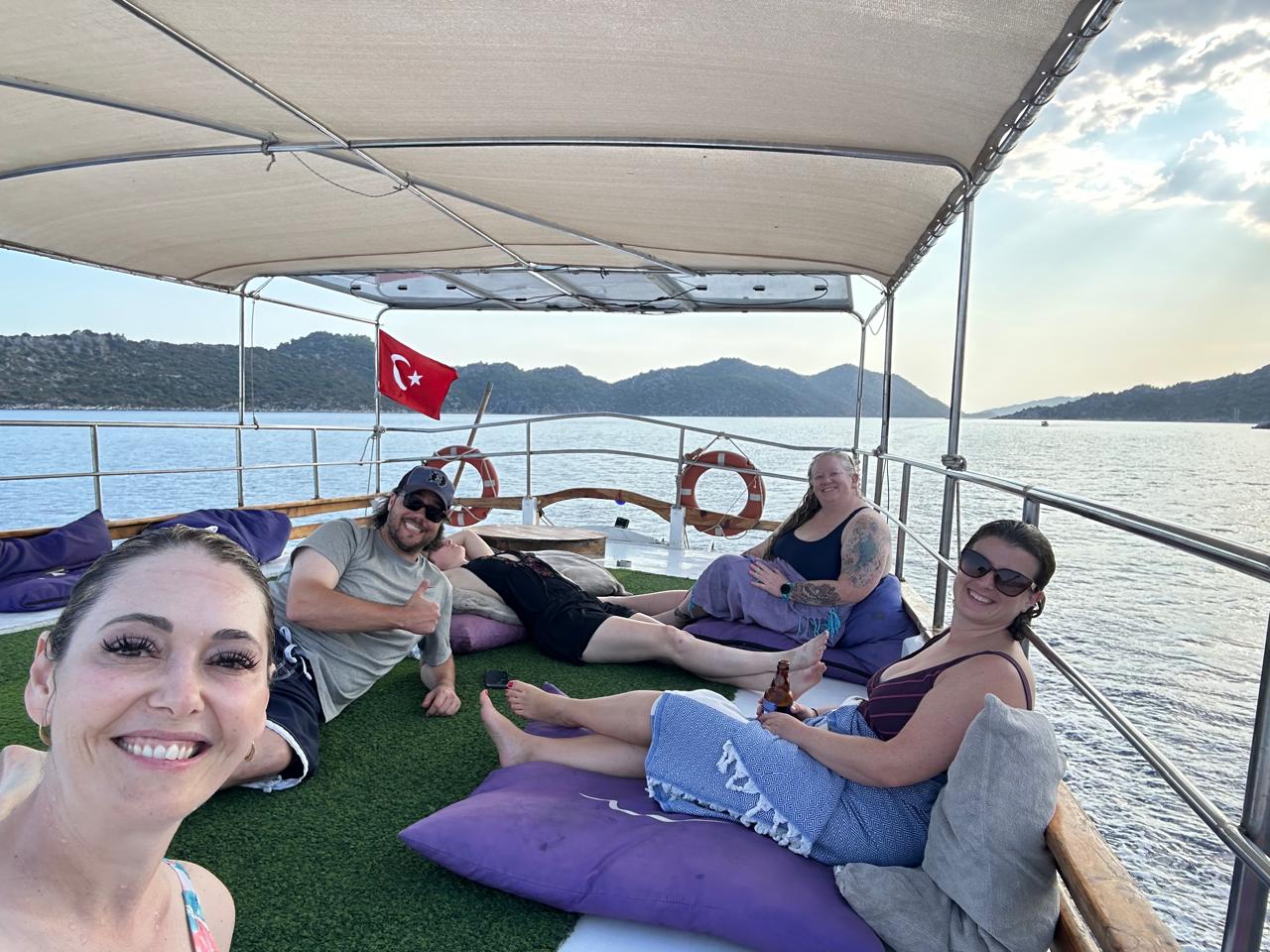
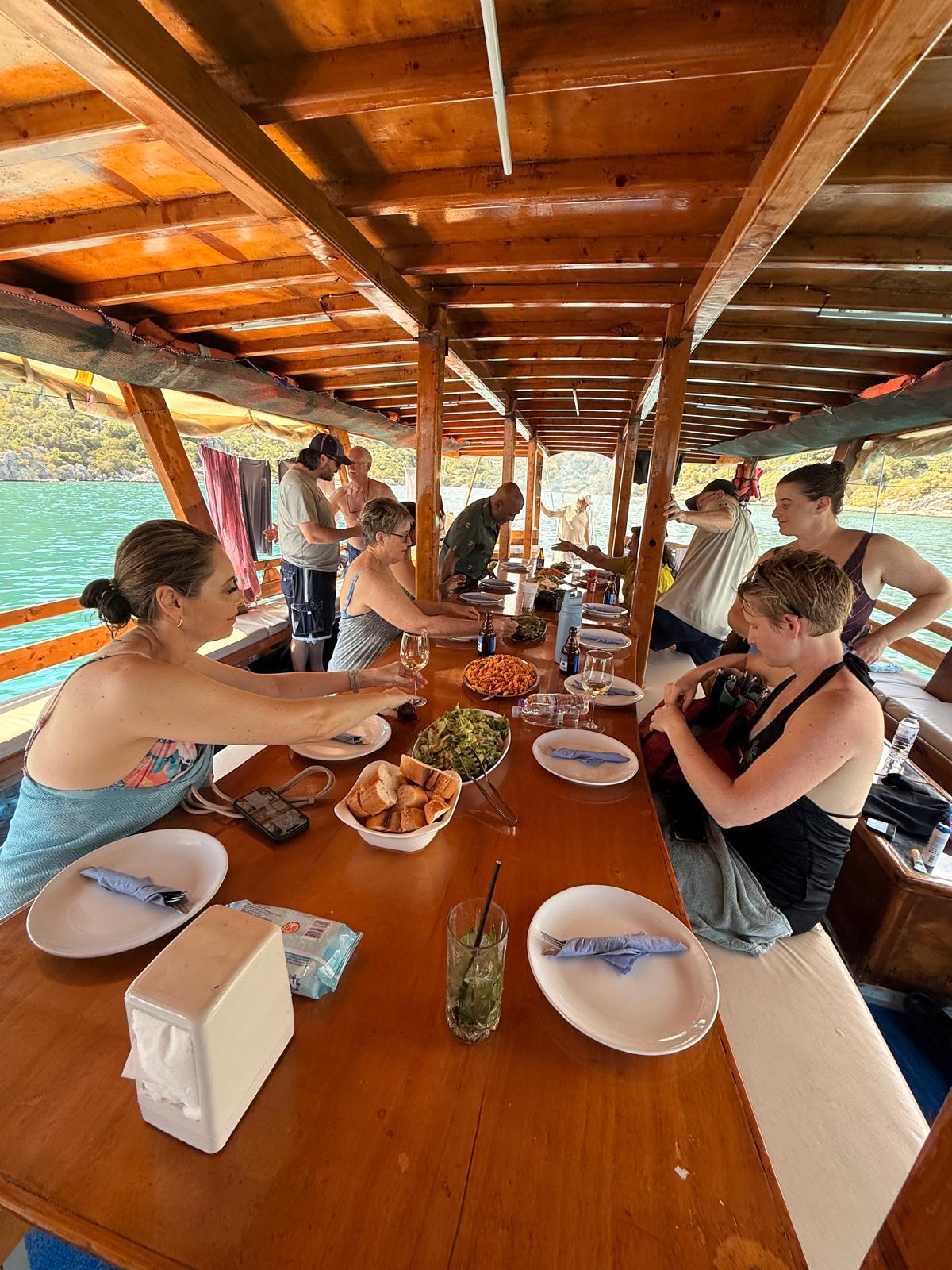
Kaş (pronounced like “cash”) provided a much-needed break from the historic saturation of our tour, giving us time to explore the Mediterranean coast town and areas nearby. First, what we referred to as “boat day.” We went on a boat. For many hours in the afternoon. We swam. We explored. We ate. We drank. We bonded. We saw sea turtles. And we saw the ruins of an ancient underwater city, covered by earthquakes centuries ago. The water was similar to parts of Greece, nice and turquoise and clear.
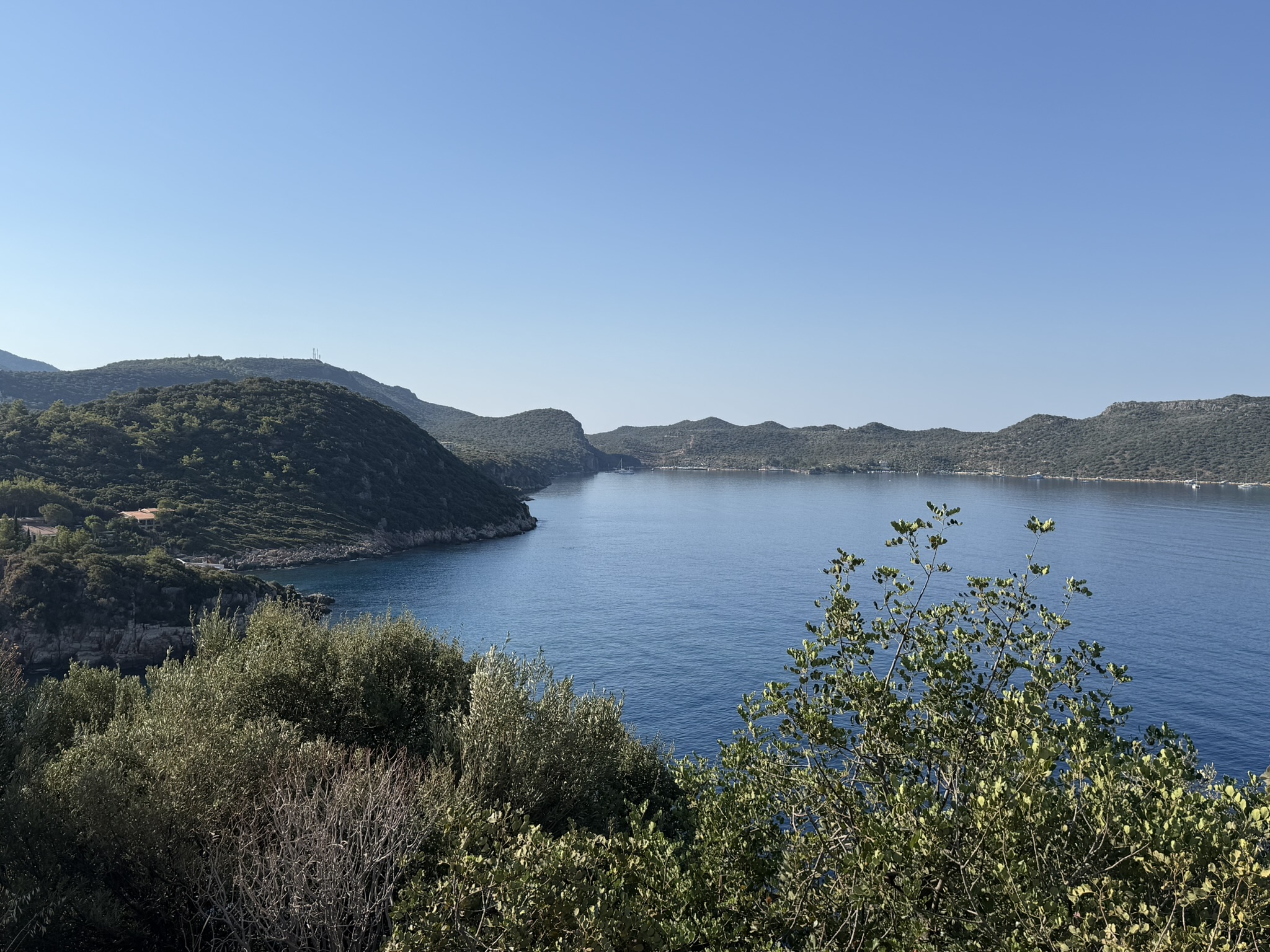
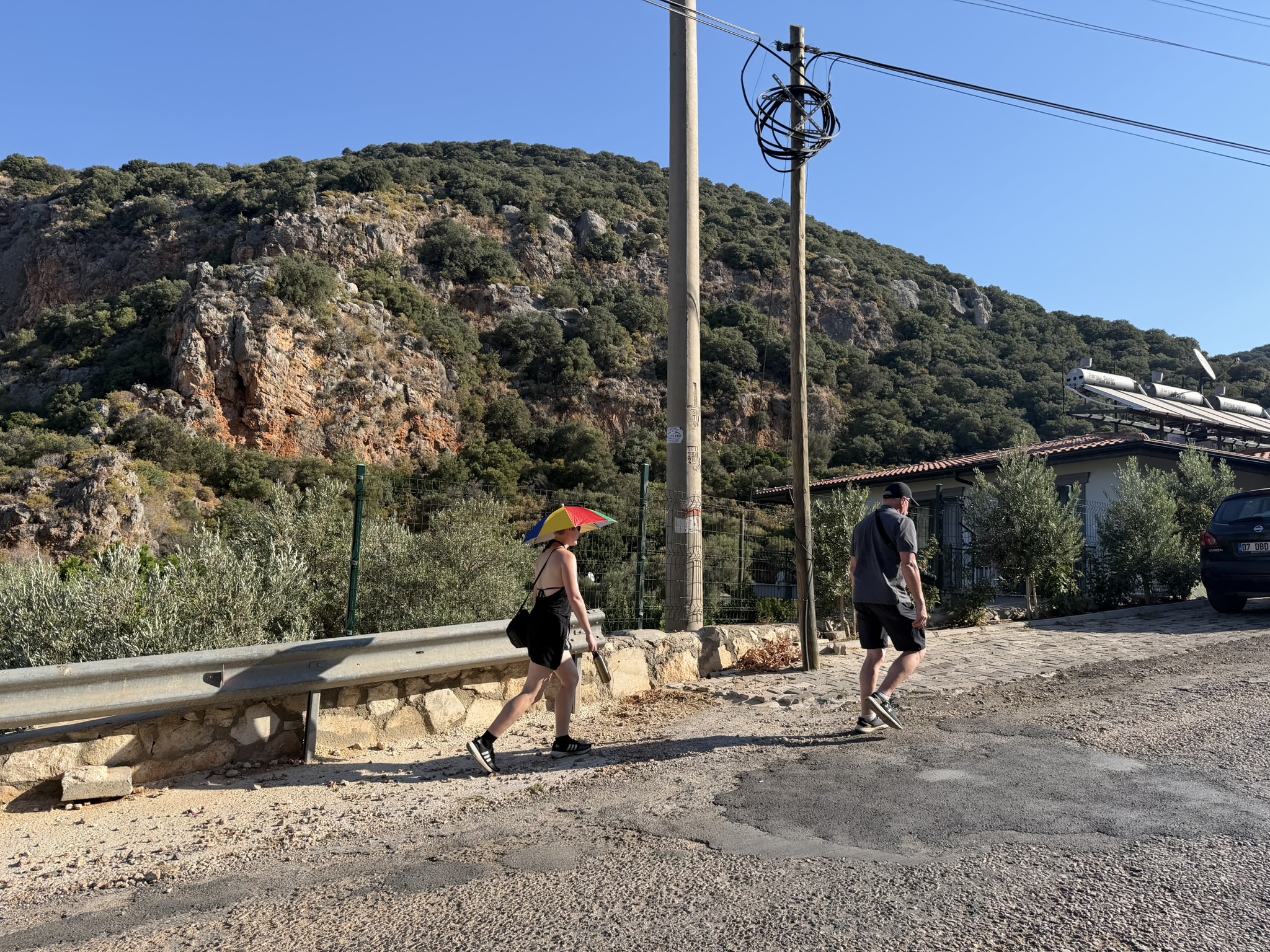
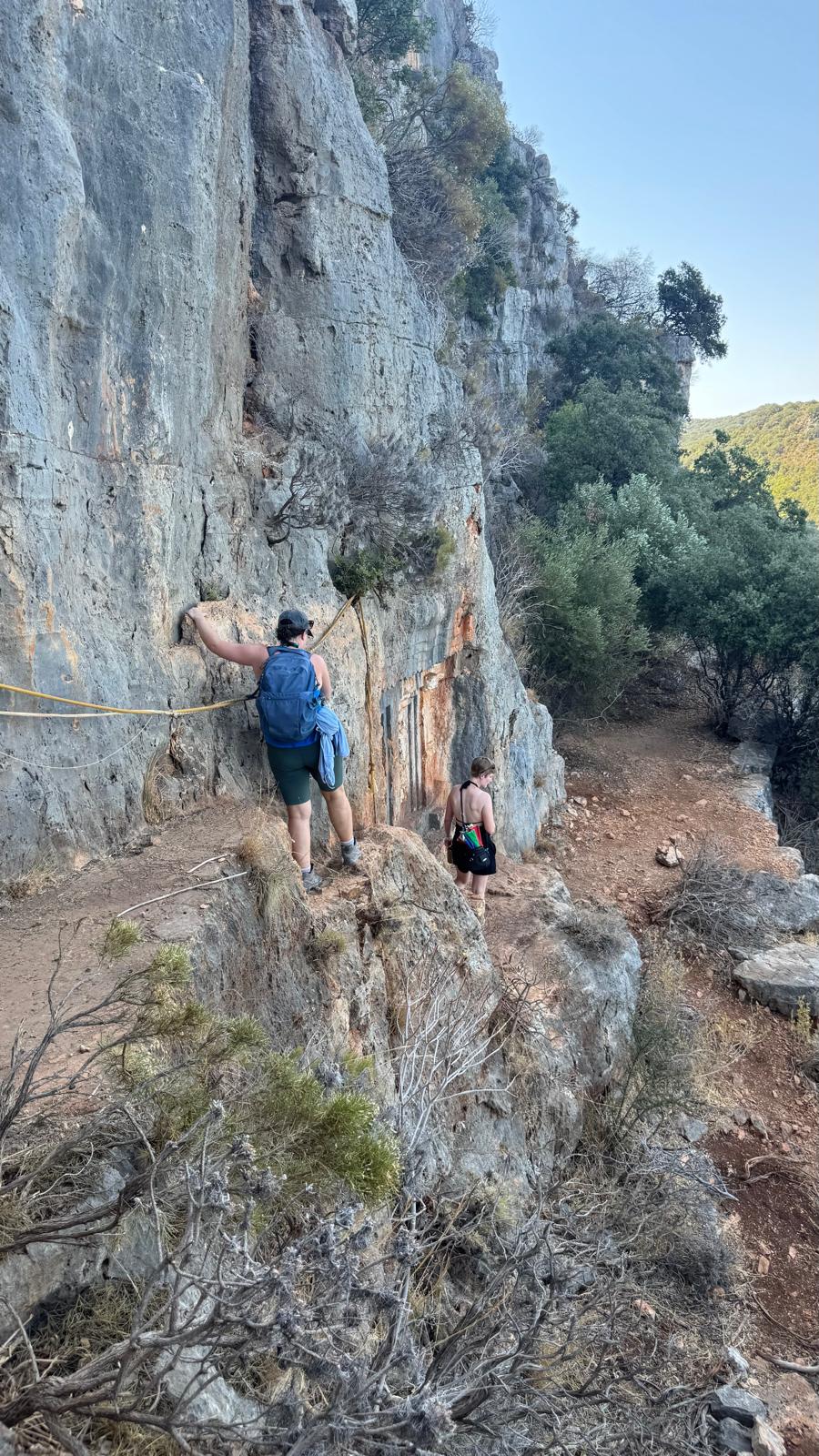
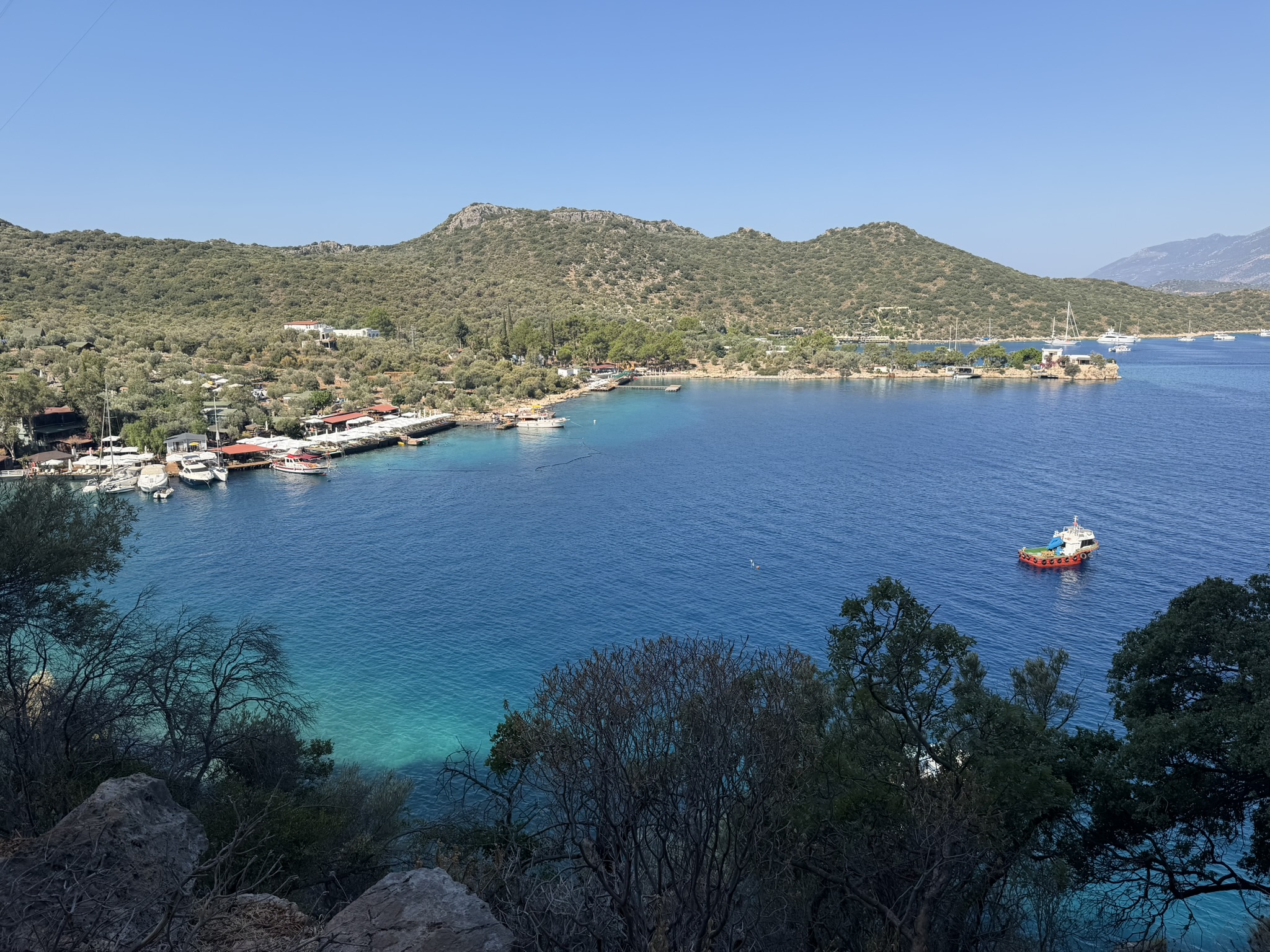
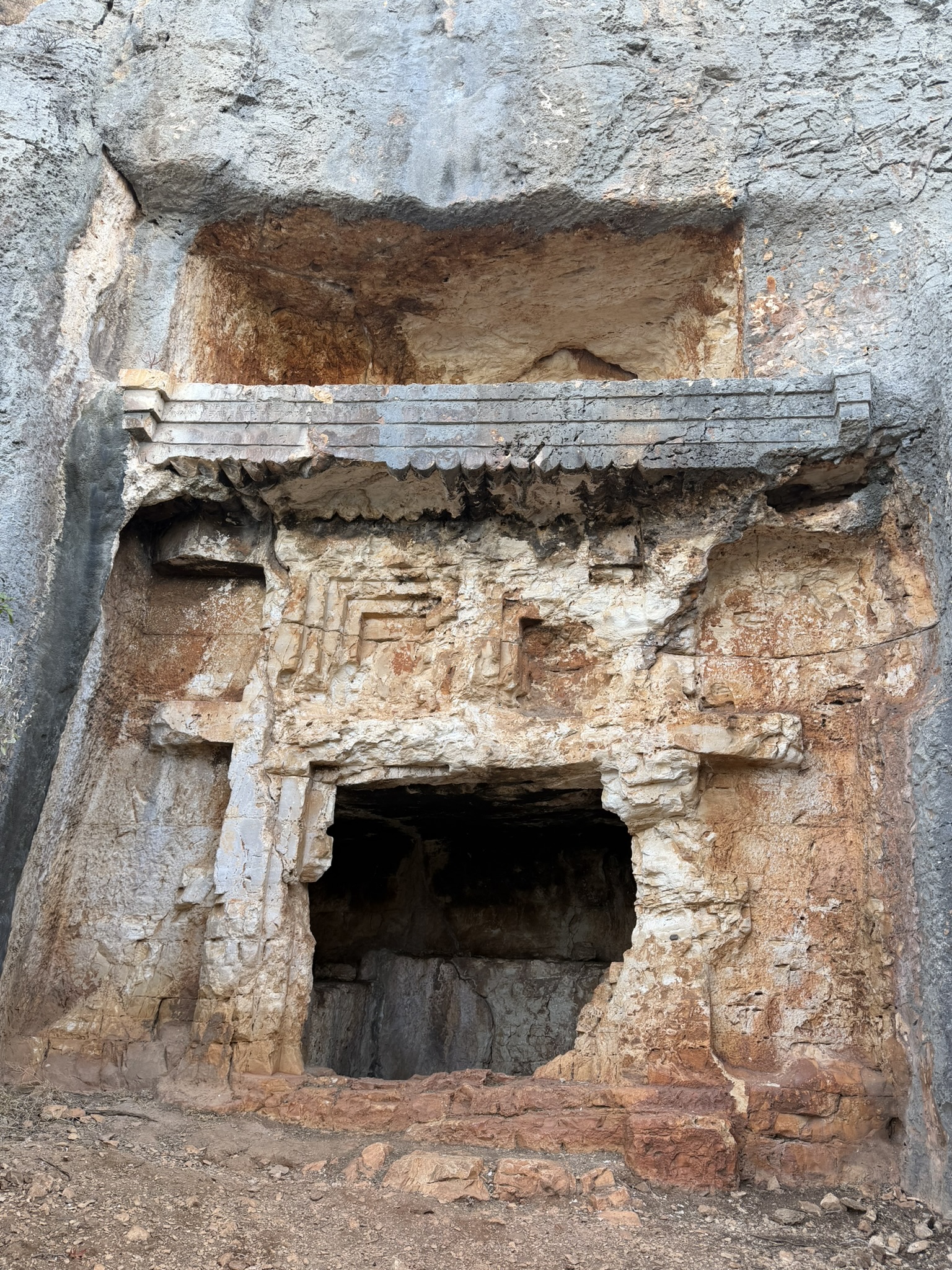
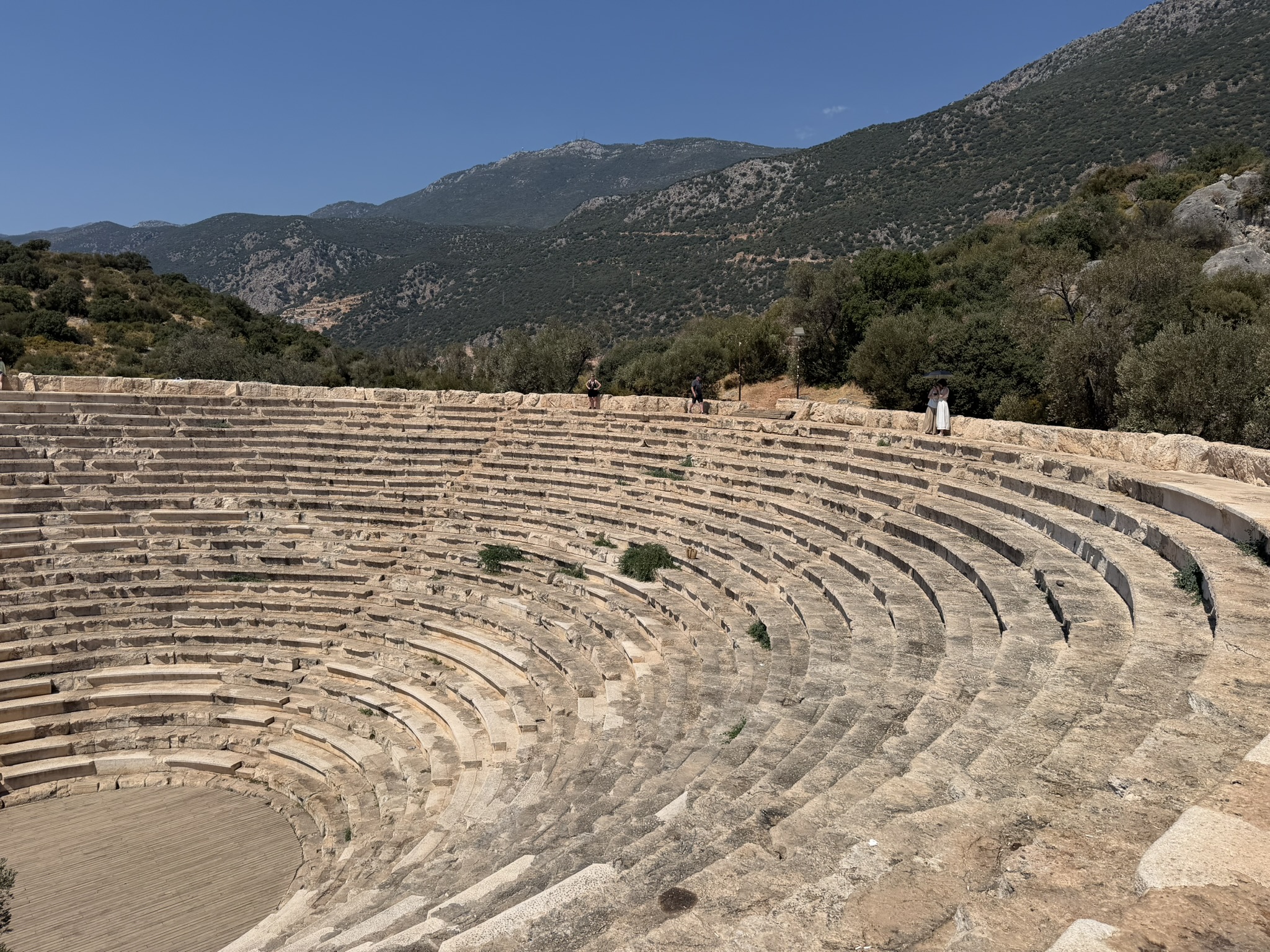
I went on a hiking adventure with Hannah and Paul. We started early to avoid the hot sun. It was a short hike partially on roads, with lots of amazing water and mountain views, plus some tricky rock climbing bits and ancient tombs to keep it interesting. It was part of a longer hike called the Lycian way. The hike terminated for us at a cove of beach clubs in an area only accessible by boats, so we lounged and swam til we felt content to head back for the rest of our full day off. Unfortunately the water taxis didn’t want to leave yet. One man said the first one scheduled was four hours later, at 4pm. We tried another area where they said 2pm. We got this guy to make a phone call for us, and then got ushered down to another area where some men were bringing a boat to take us back to Kaş. While waiting they fed us a local drink that is essentially really salty yogurt, blech. Perhaps it was a little sketchy, but they got us back to Kaş for a reasonable price and even fed us some carob that they were transporting — a really tough type of produce that is sort of like chocolate (but careful you don’t break your teeth on the seeds). We closed the adventure by walking to an old theater site in town, reminding us that Turkey has ancient history everywhere.
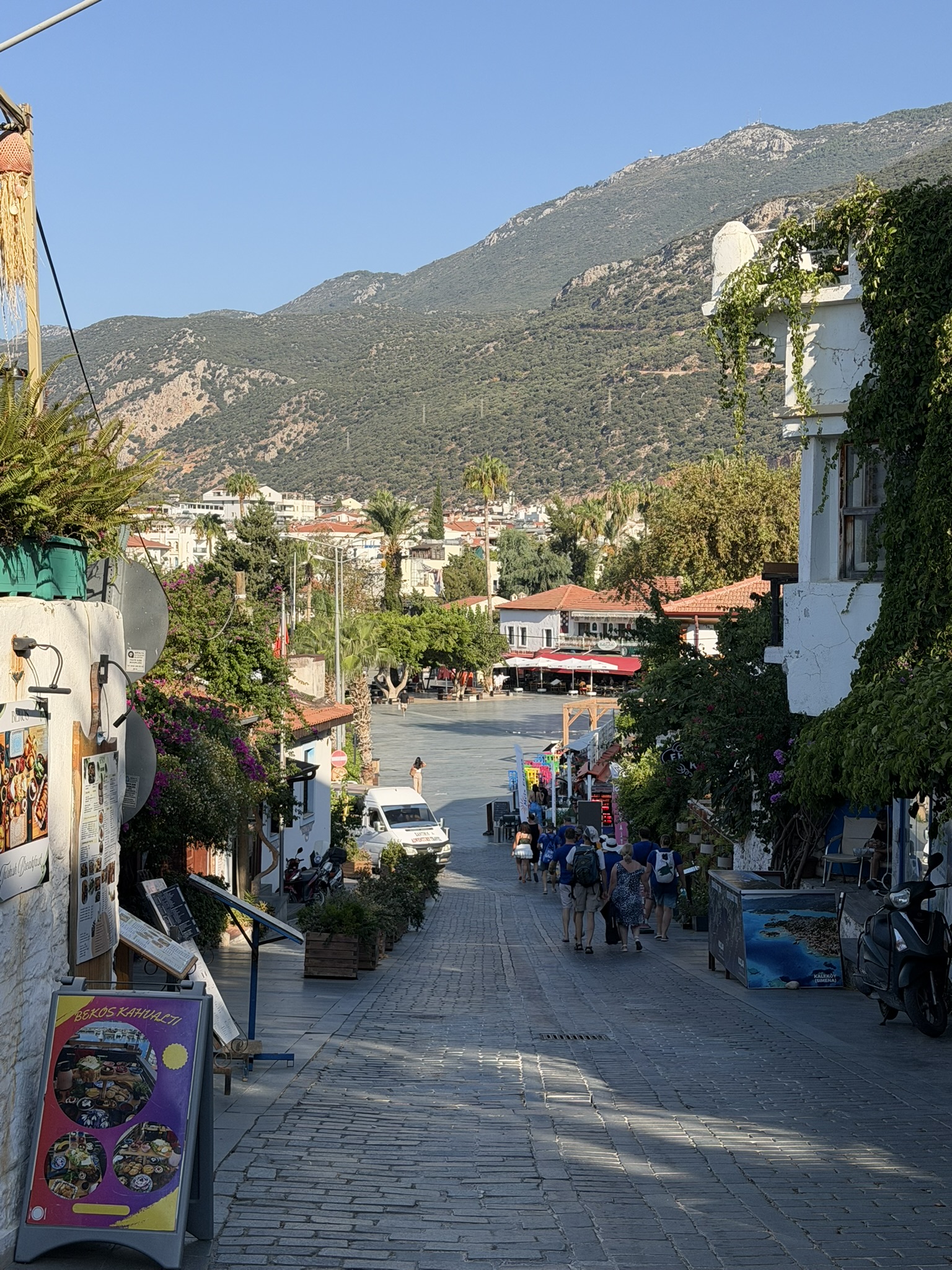
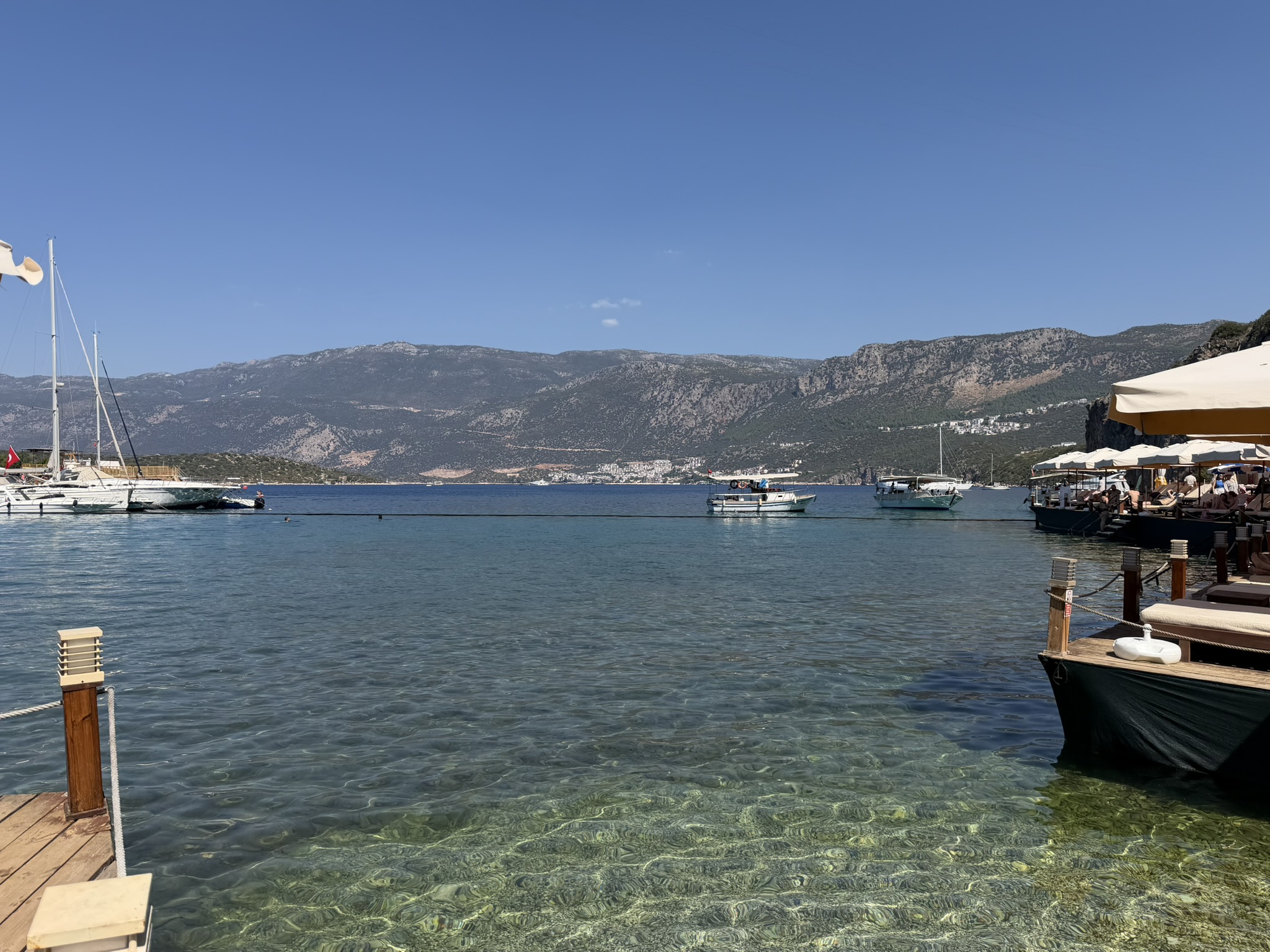
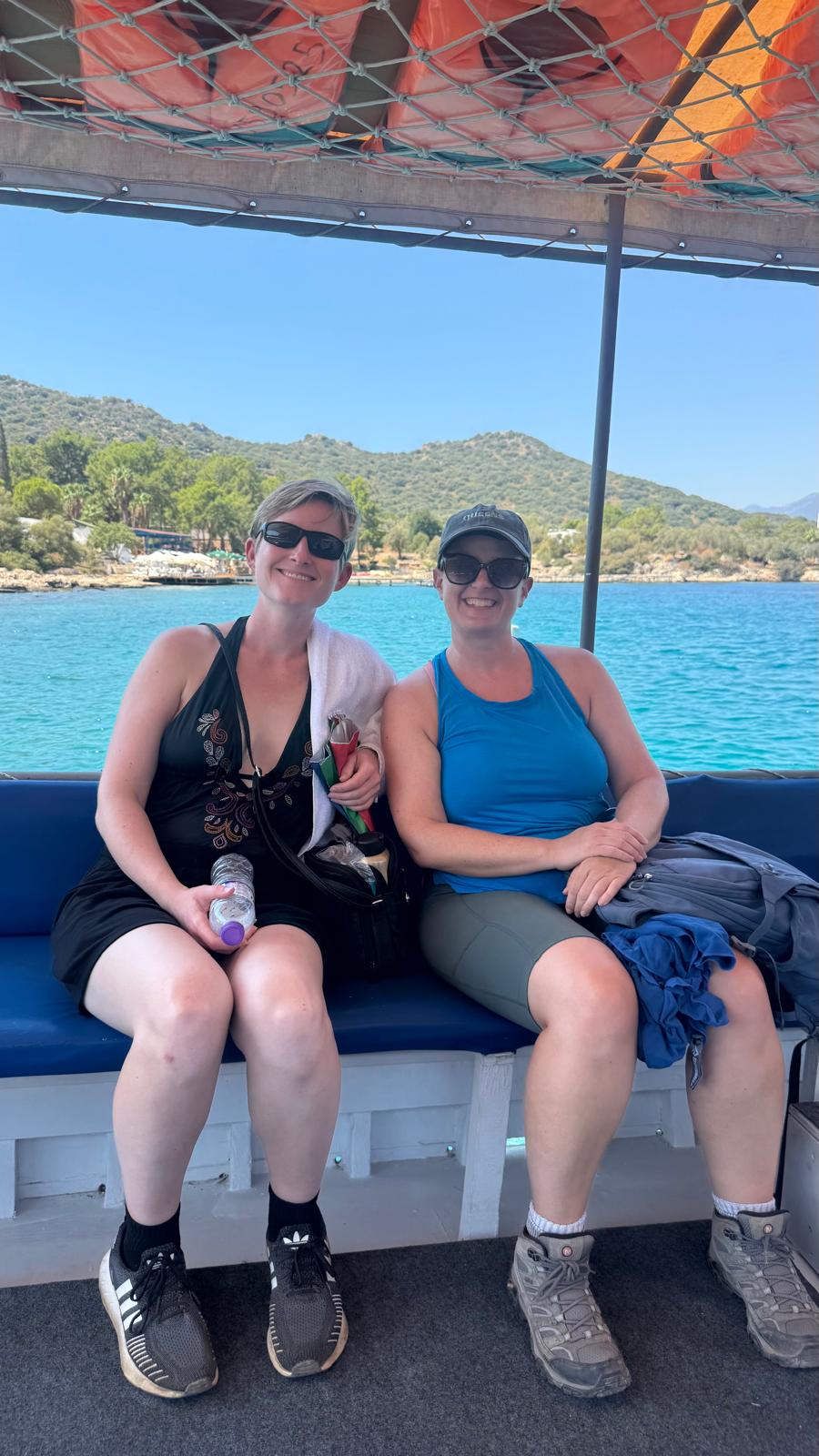
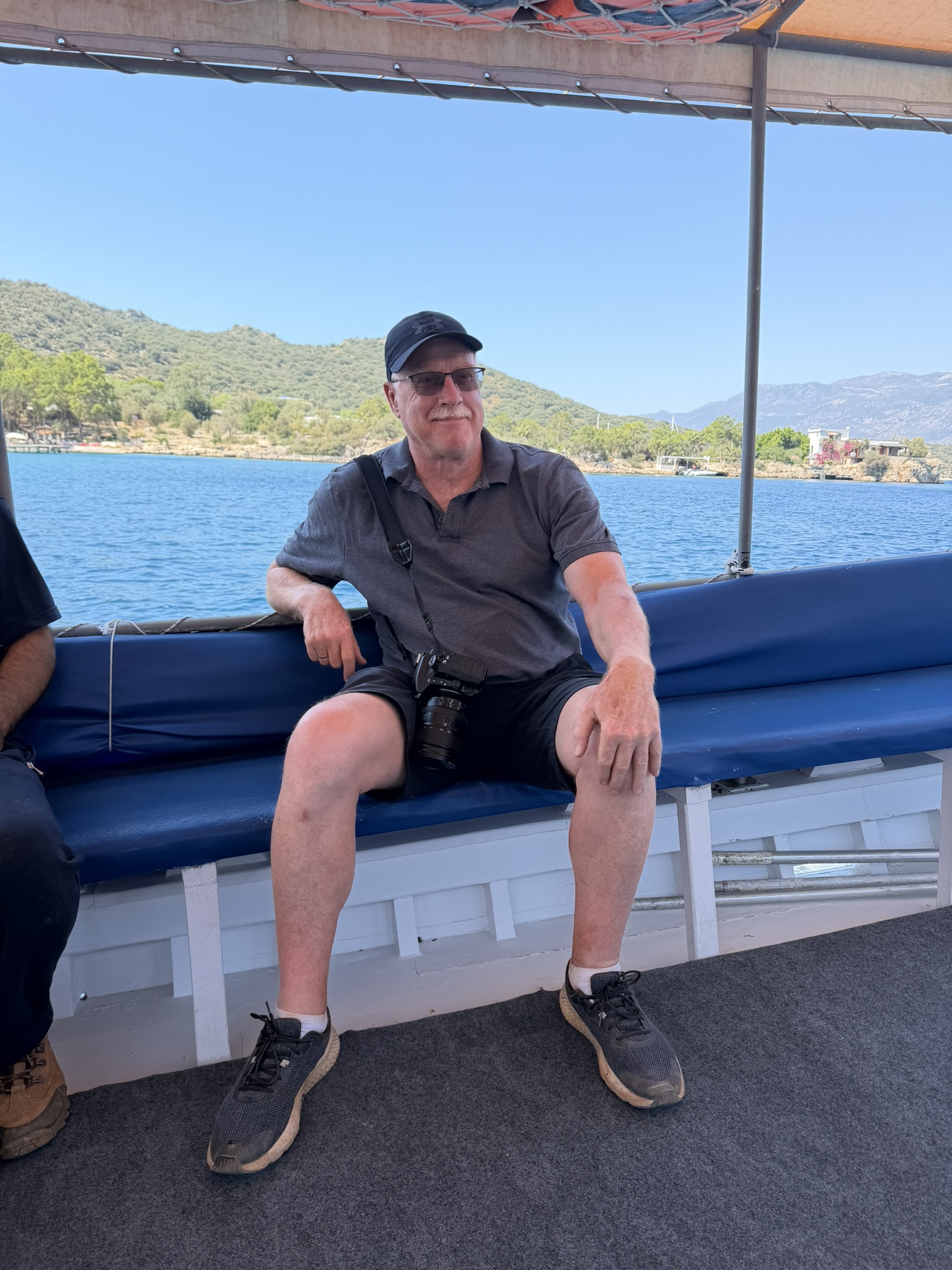
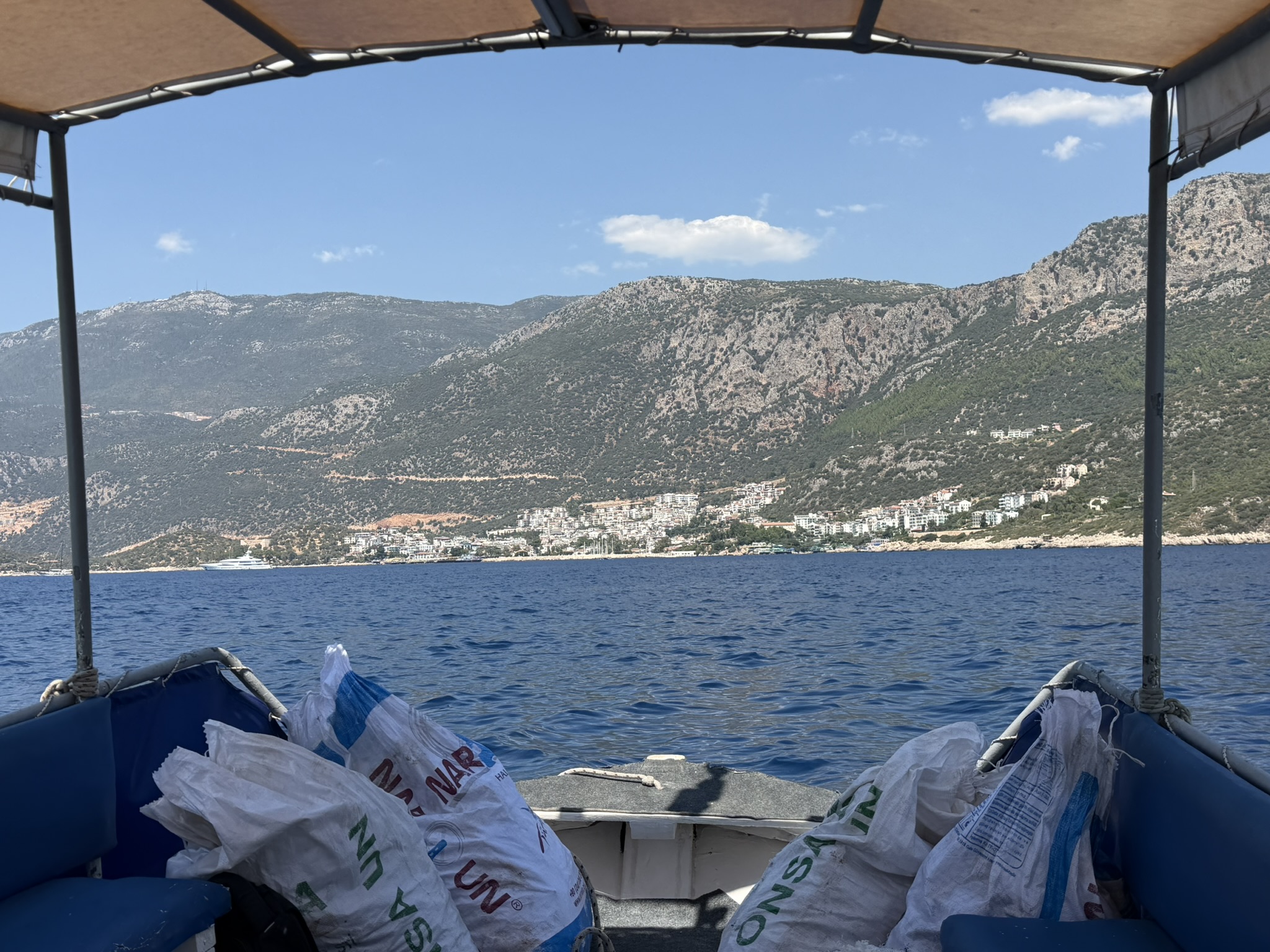
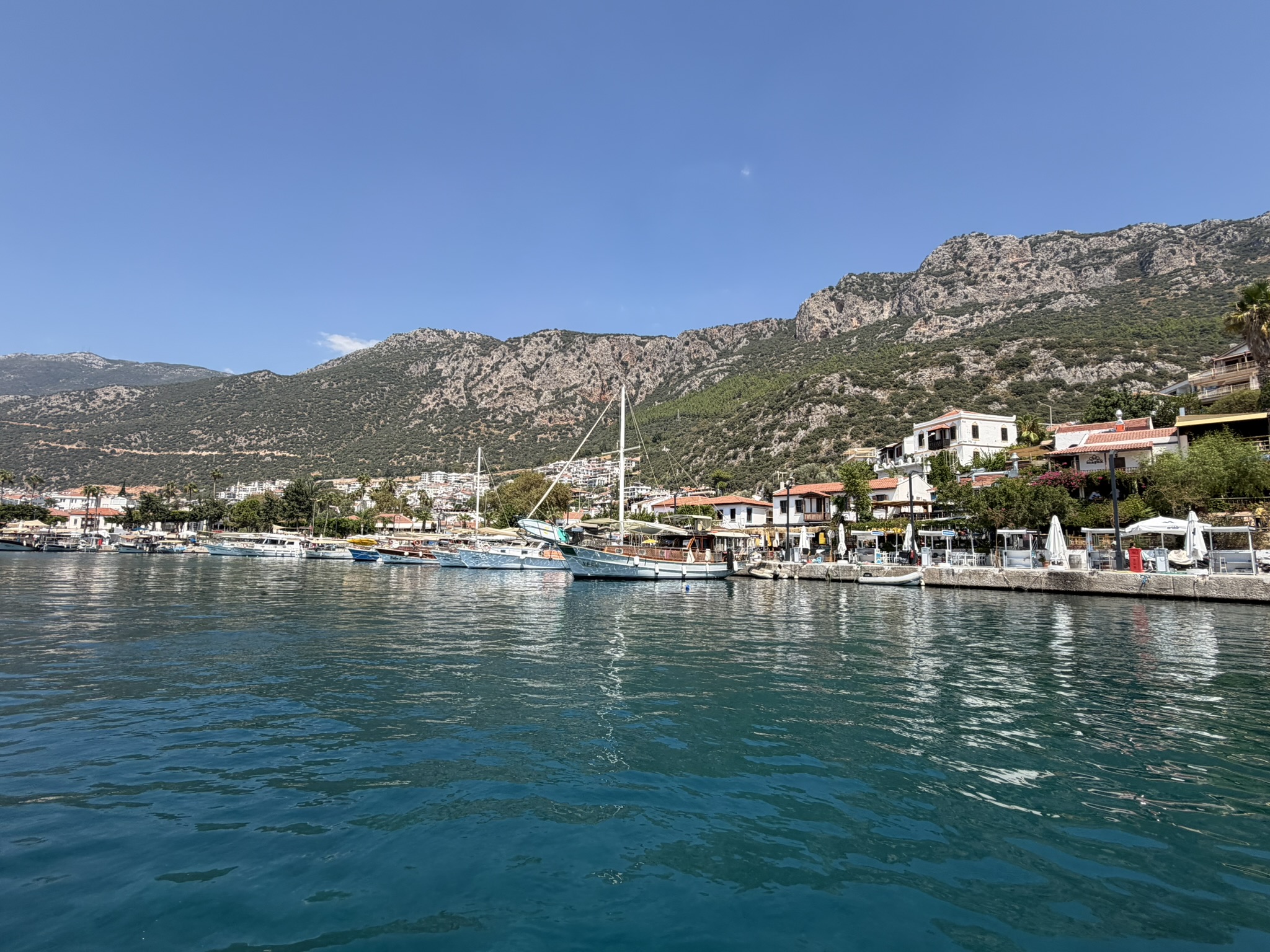
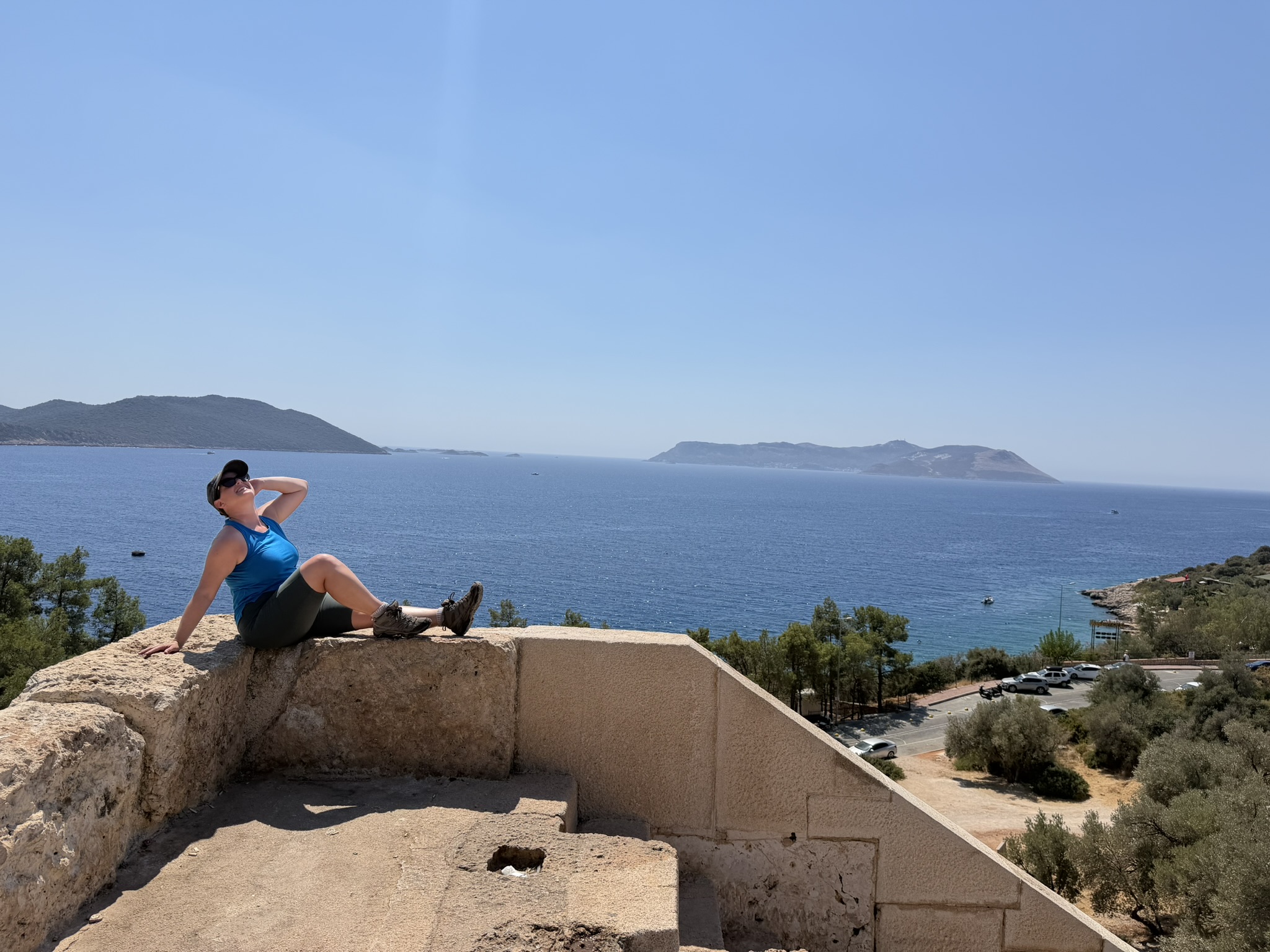
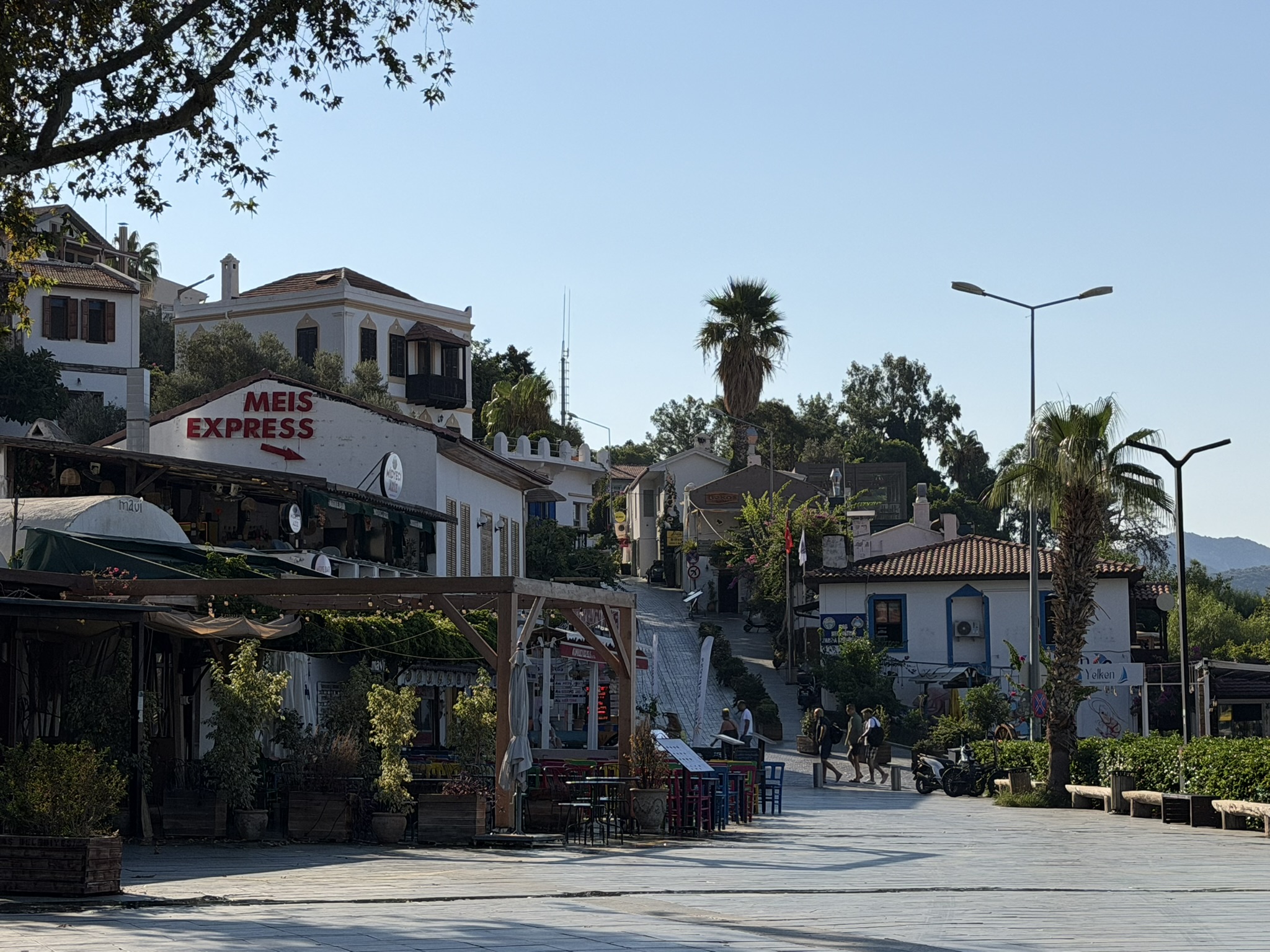
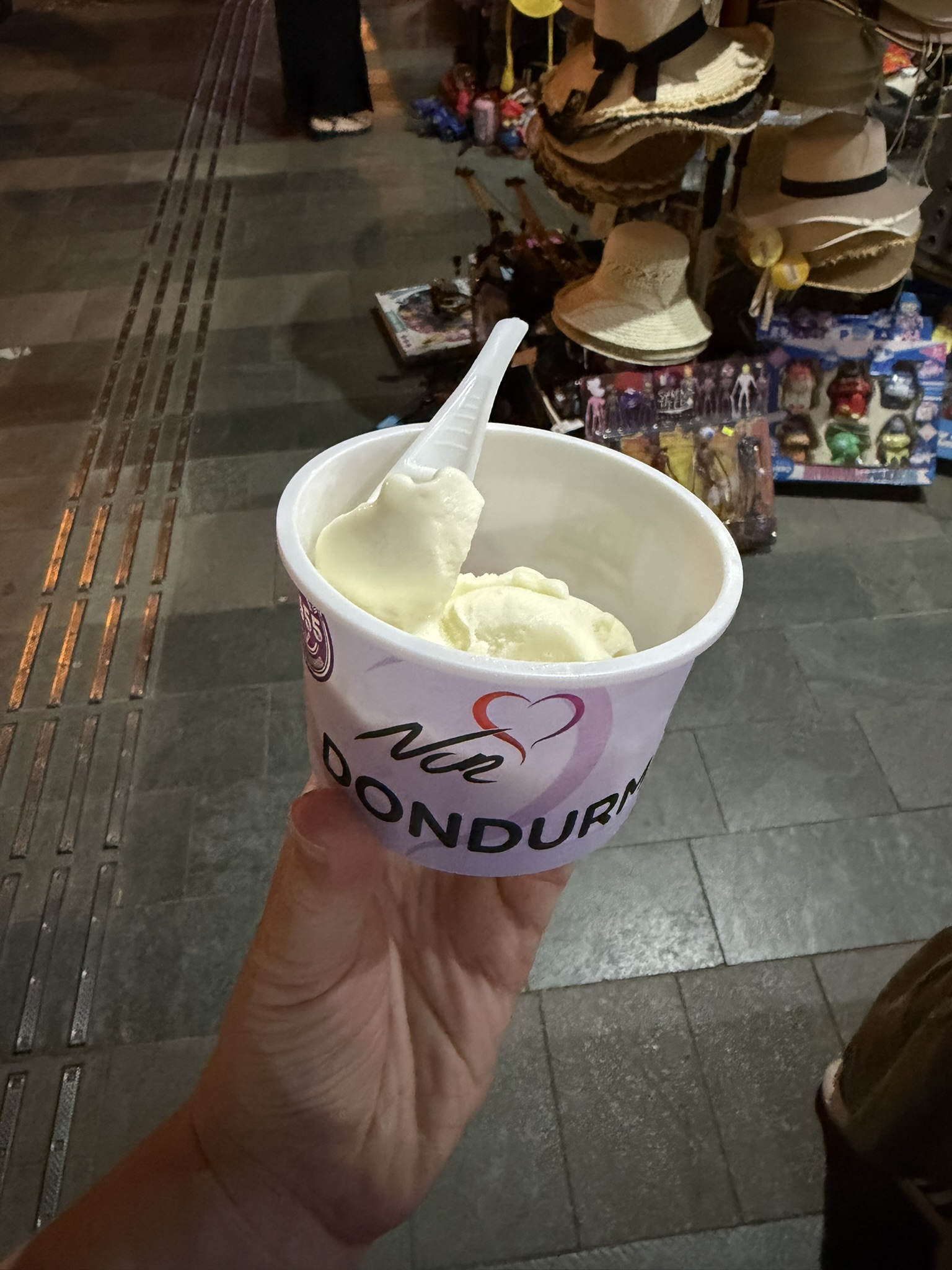
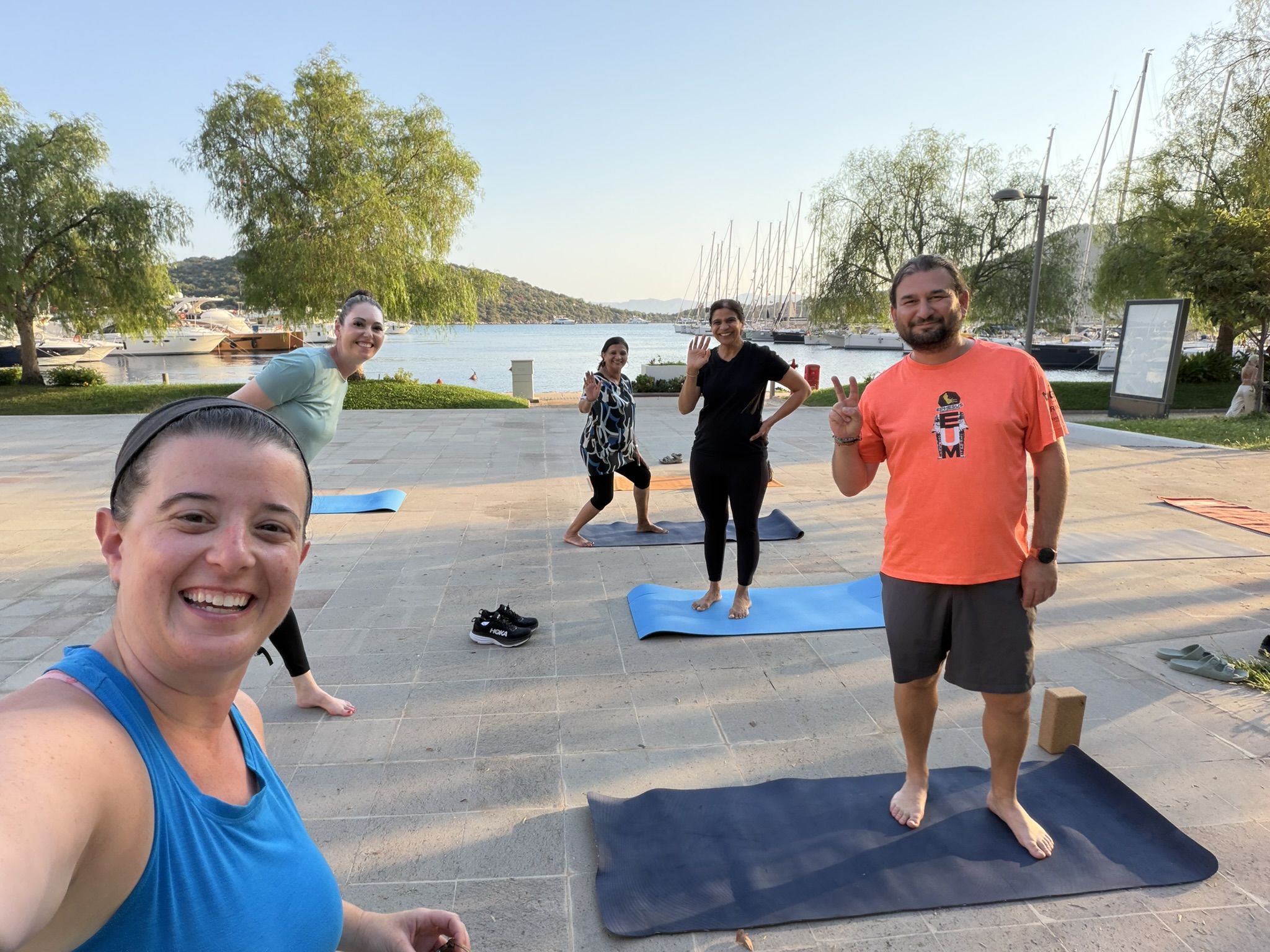
I found and organized a sunset harborfront yoga class for 5 of us one evening. I tasted a local delicacy called burnt milk ice cream, which was as weird and gross as it sounds. I had some nice long meals and enjoyed some rest time. Kaş was an excellent stop.
Salt flats
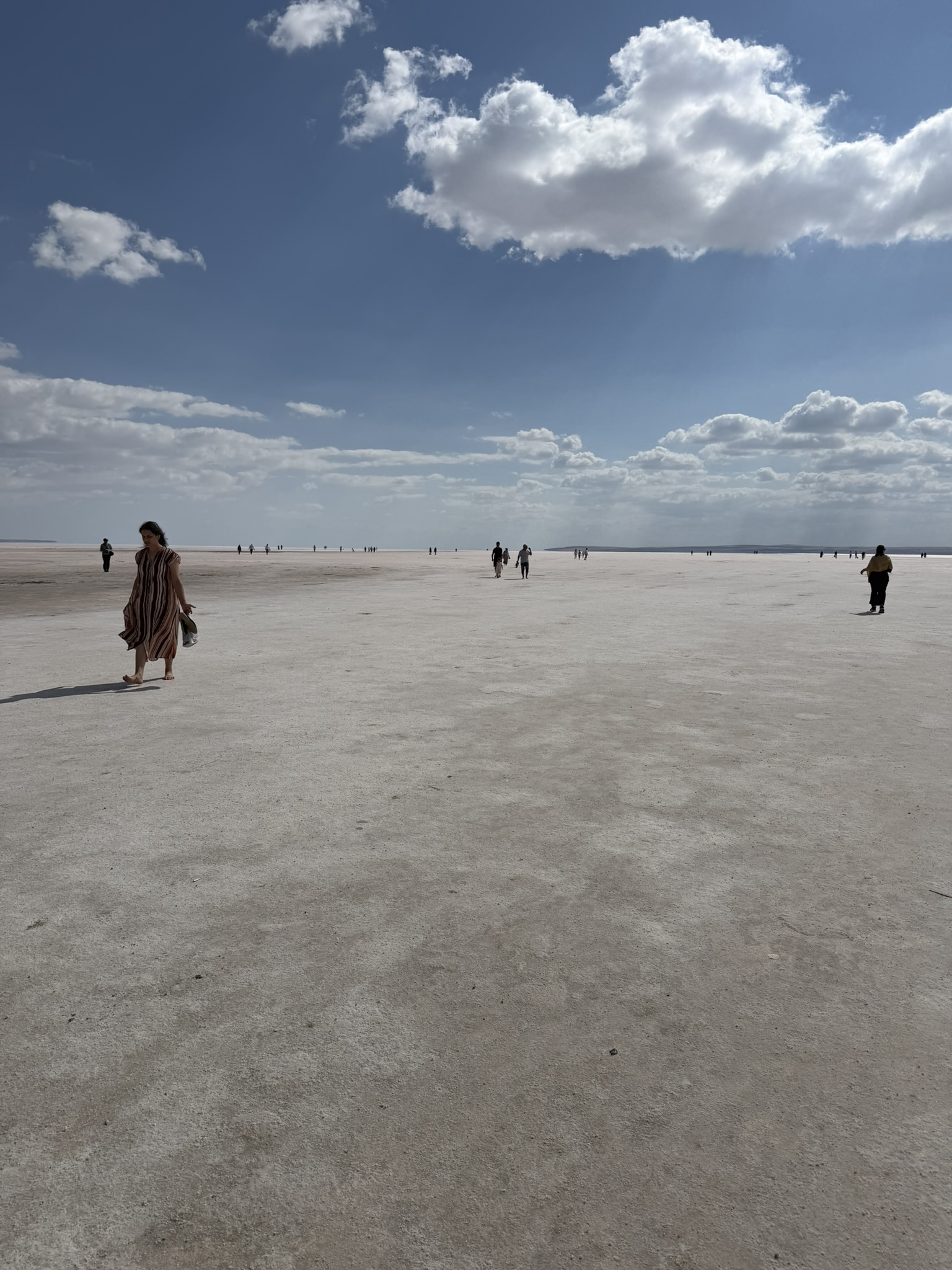
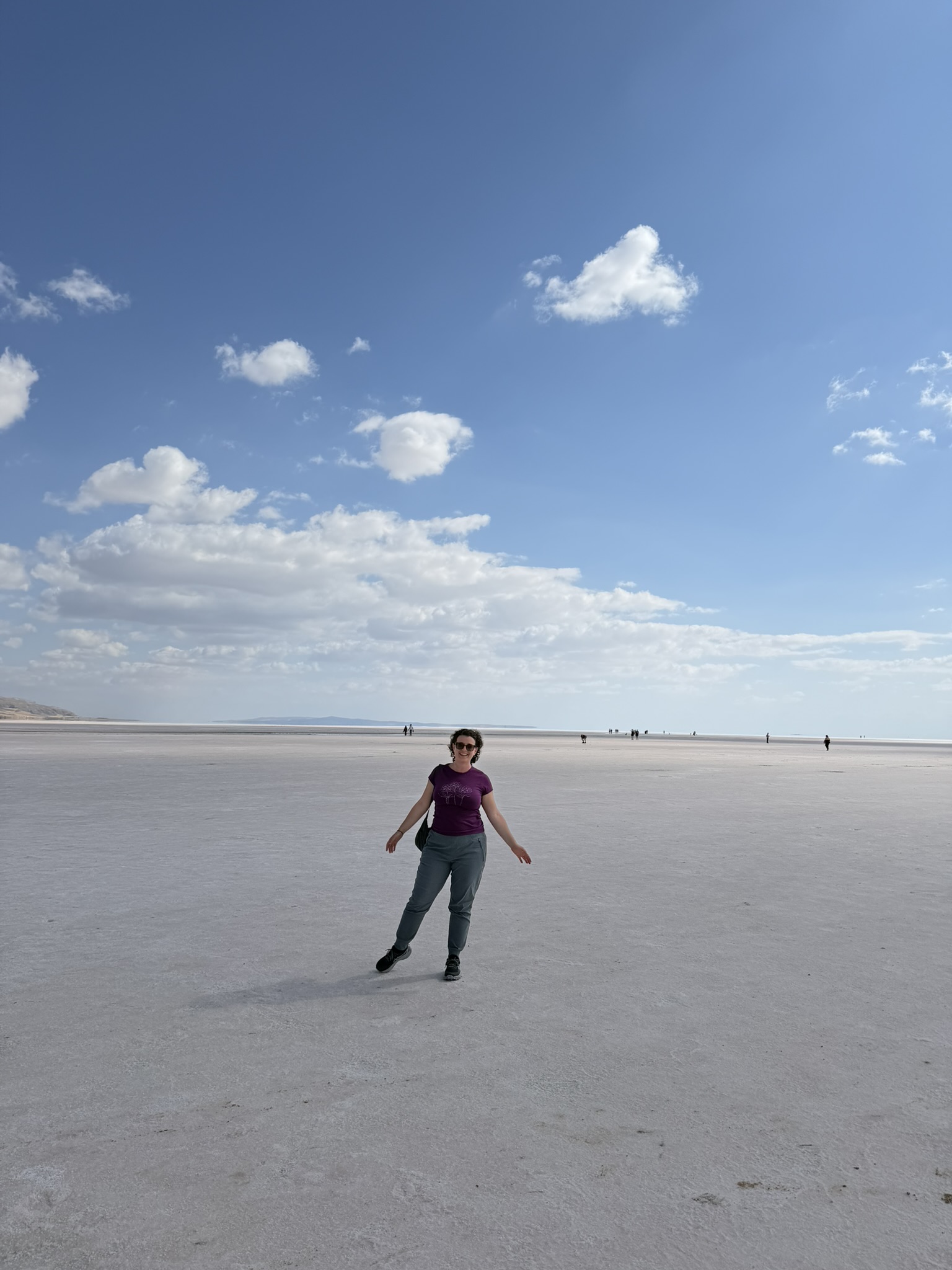
Did you know Turkey has a massive salt lake? On the side of the highway, walk through the rest stop and restaurant and you can walk right onto the dry salty expanse, evoking a bright desert mirage.
Homestay
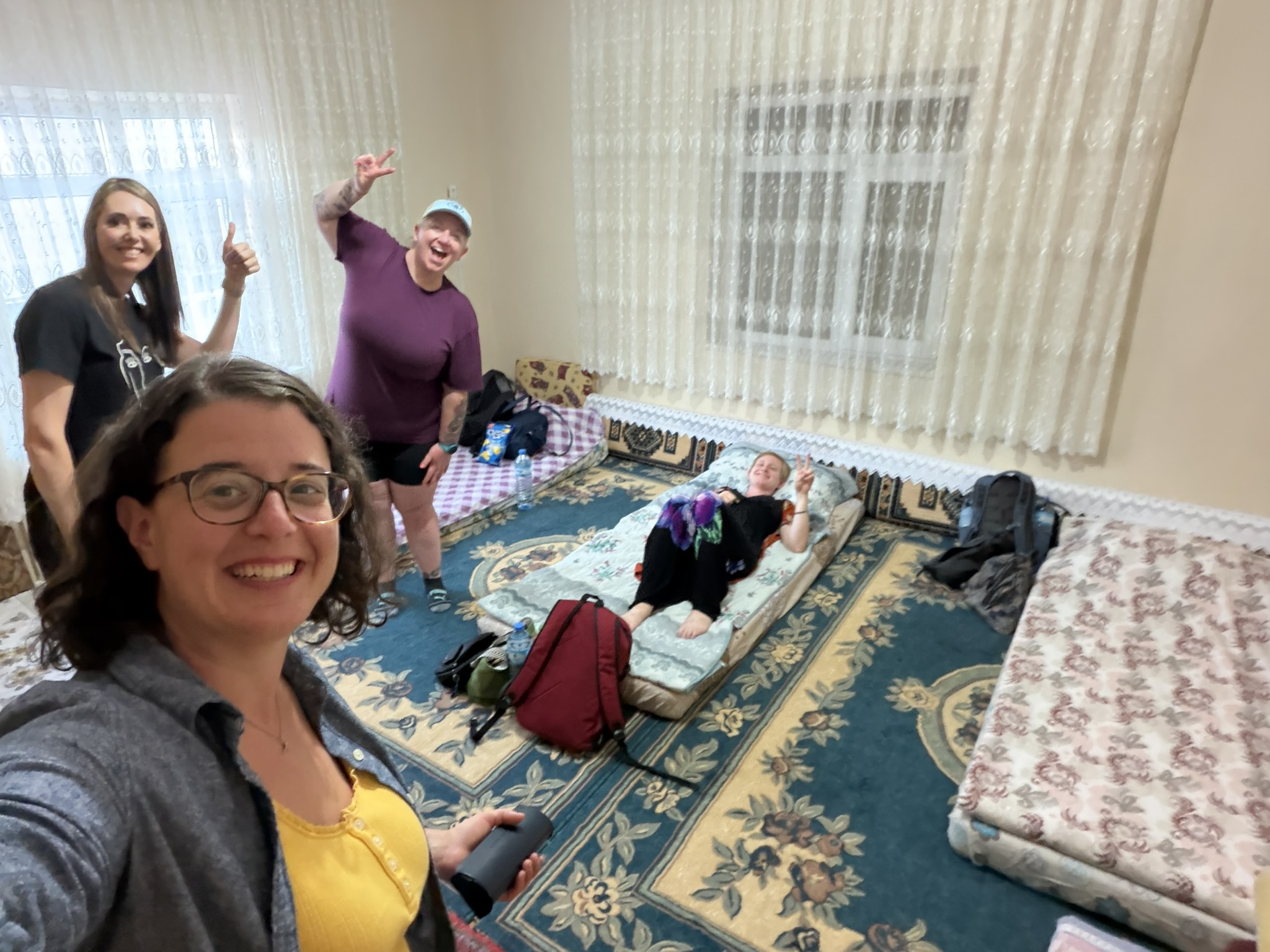
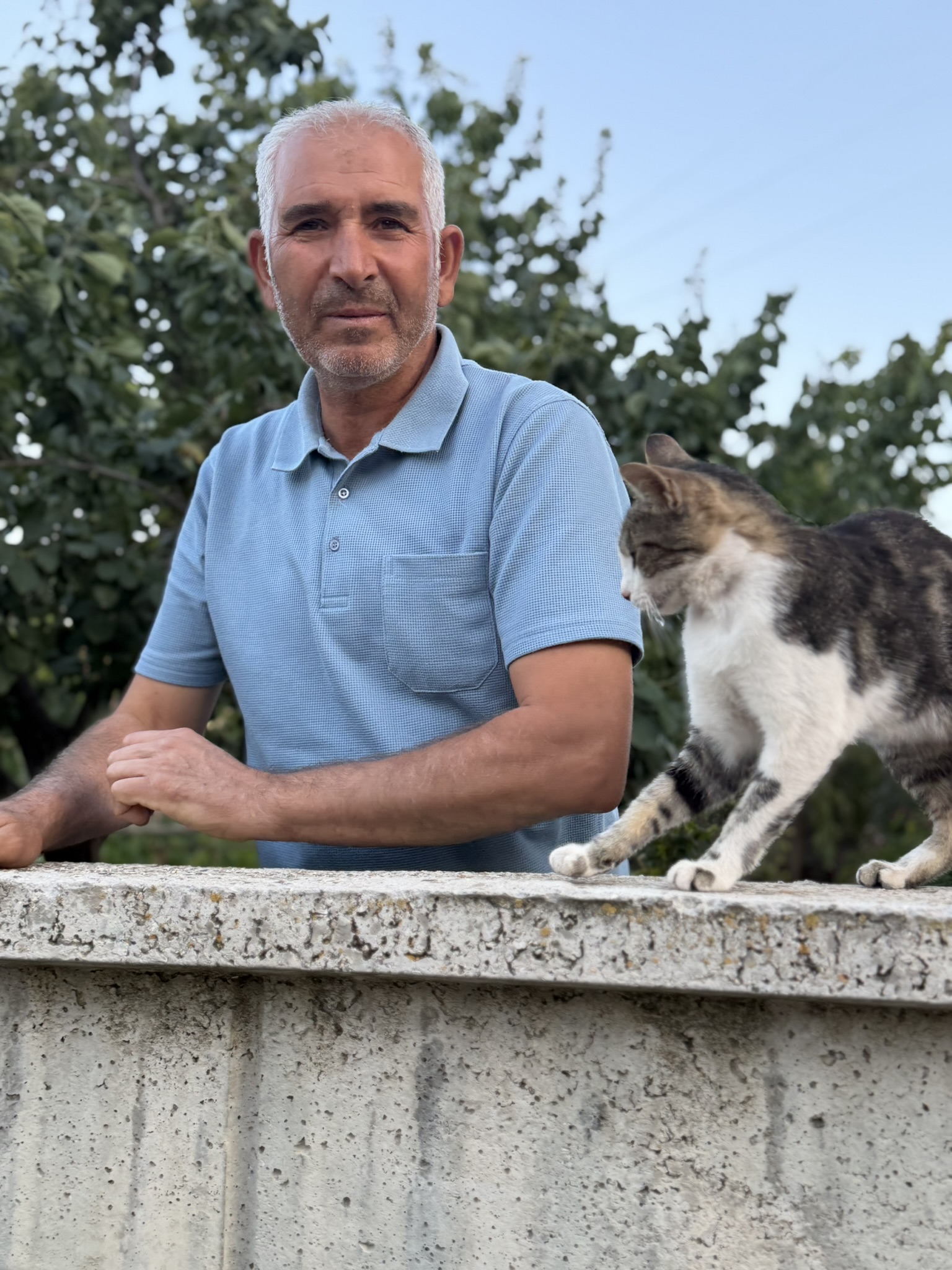
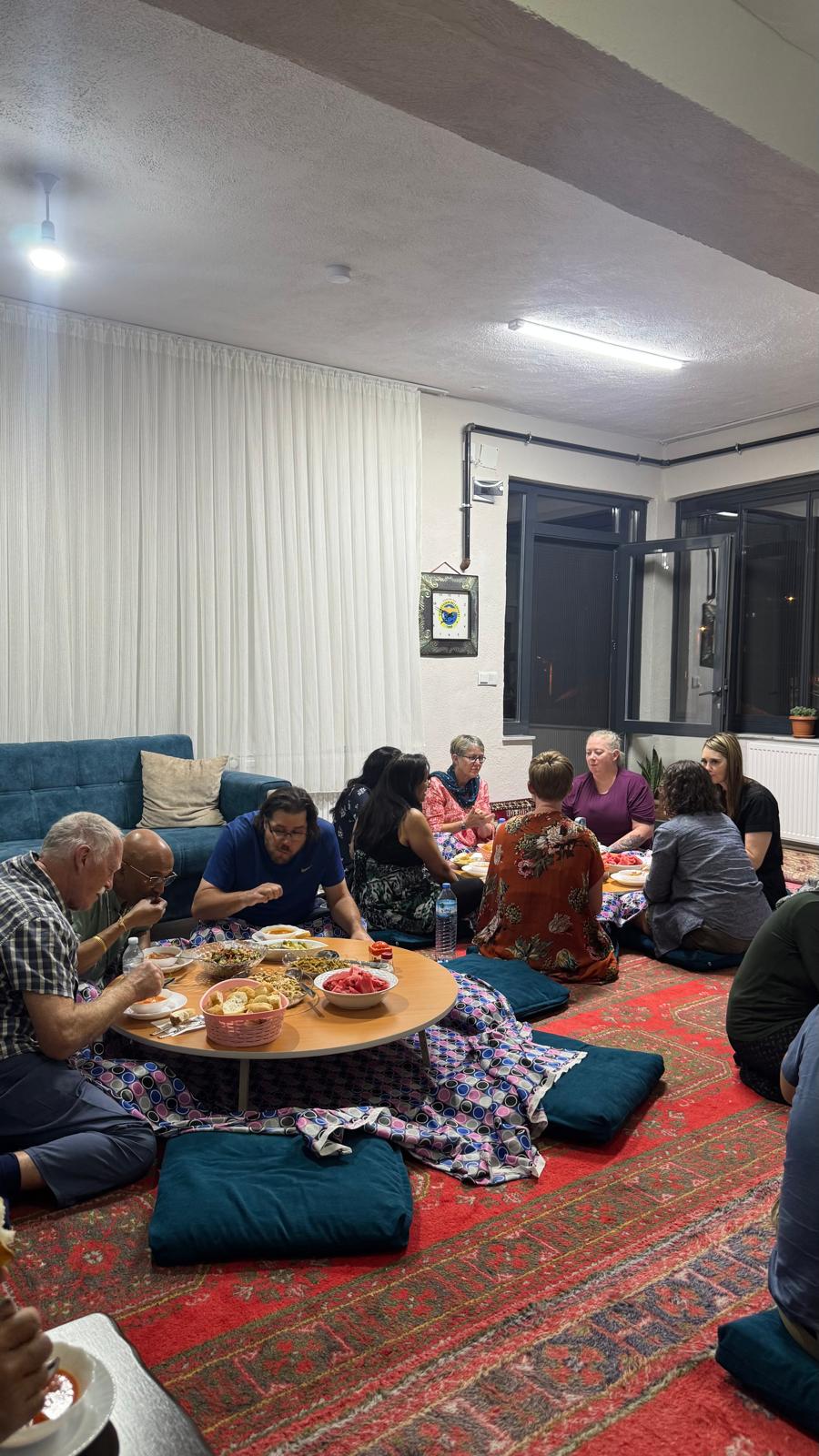
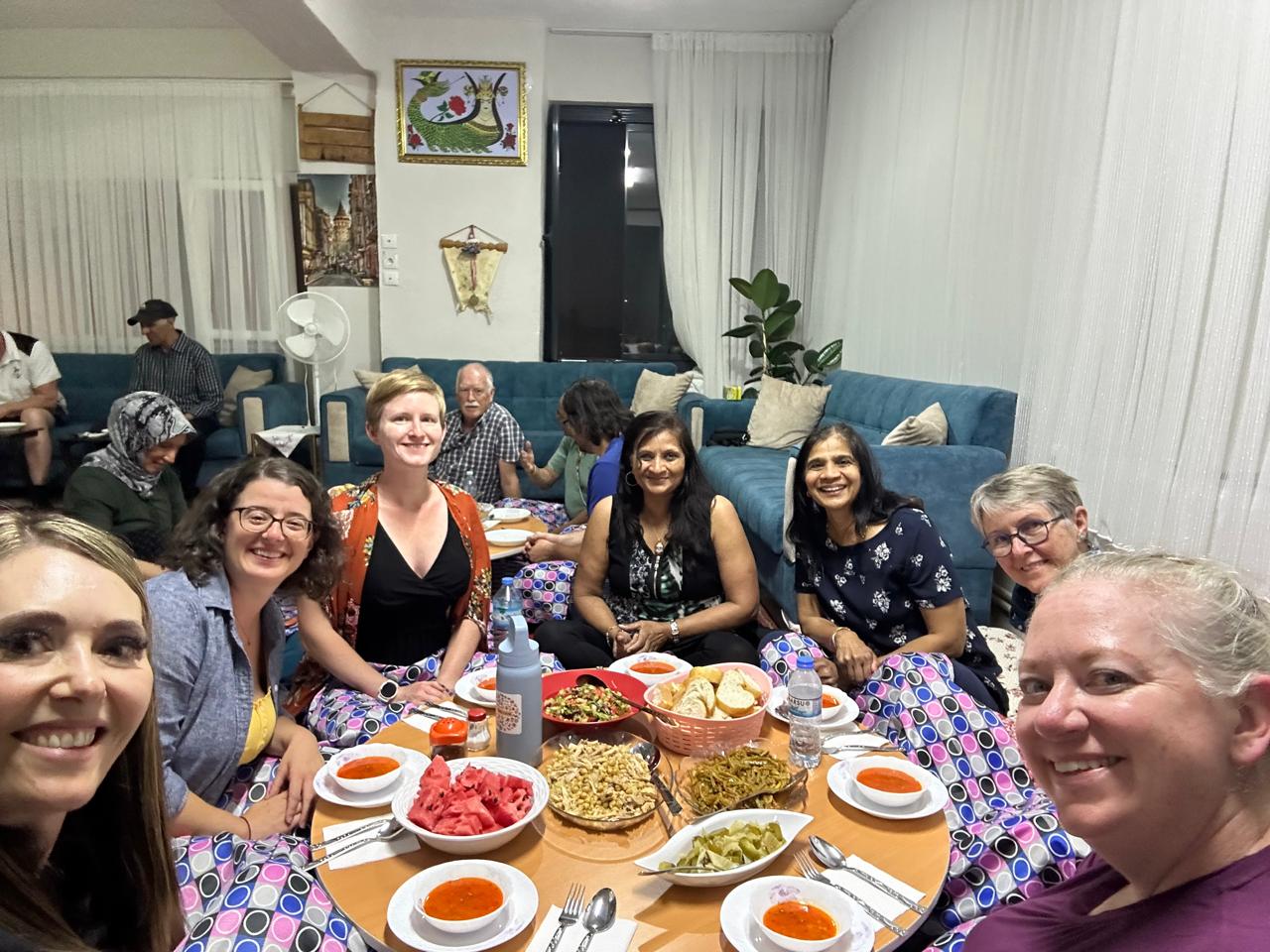
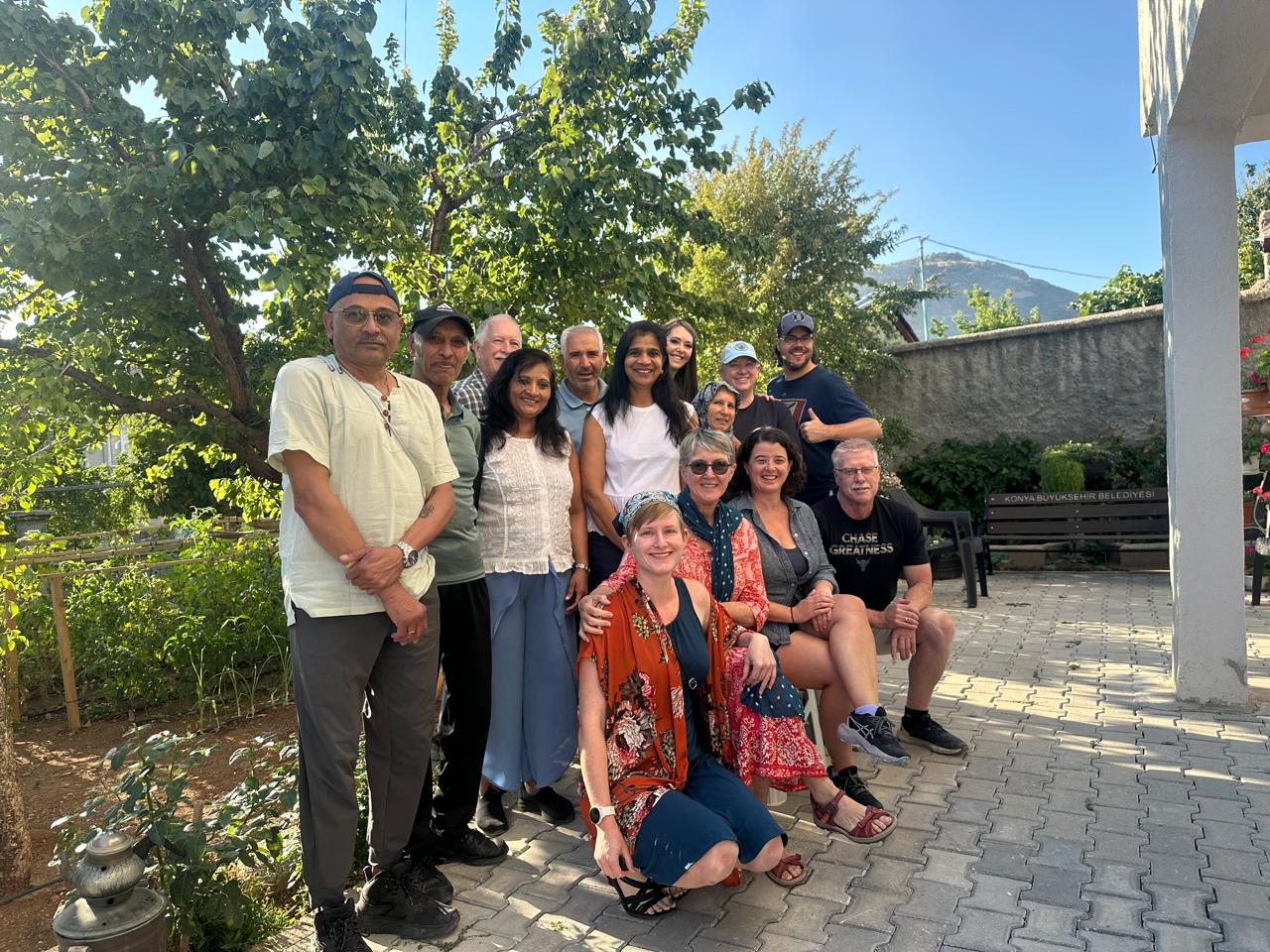
One of the special G Adventures stops was a homestay, in a tiny town whose name I couldn’t tell you. The family we stayed with got a grant from G to expand their home for visitors, so we enjoyed their 3-story property. We slept slumber party-style in a few nicely carpeted rooms with mattresses on the floor and just one bathroom and no working shower. We ate our home-cooked meals upstairs seated cross legged at low tables. We got to explore the town a bit, where we interacted with locals who are not used to seeing tourists often. At one point I kicked a soccer ball back to some kids and it nearly landed on a parked car, thank goodness I avoided an international incident! It was lovely and local and the best sleep I got all week.
Troy
One of our later stops was to see Troy: yes that Troy, the ancient one where the prince kidnapped Helen which started a war with Greece that led to the famous trojan horse legend. It’s unclear how real the legend is, but there was at least something horse-related going on. I watched the 2004 film Troy over a few days in anticipation.
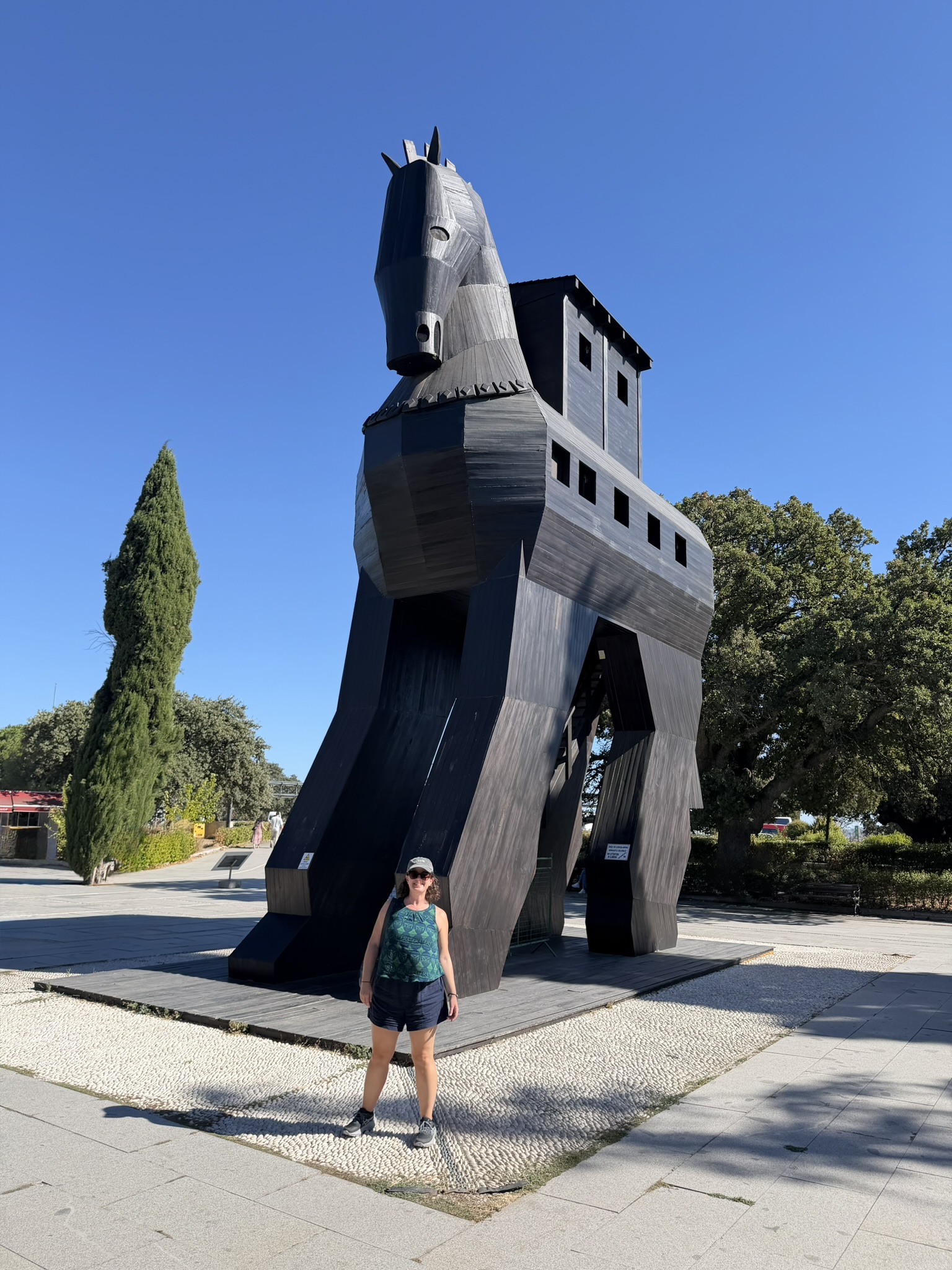
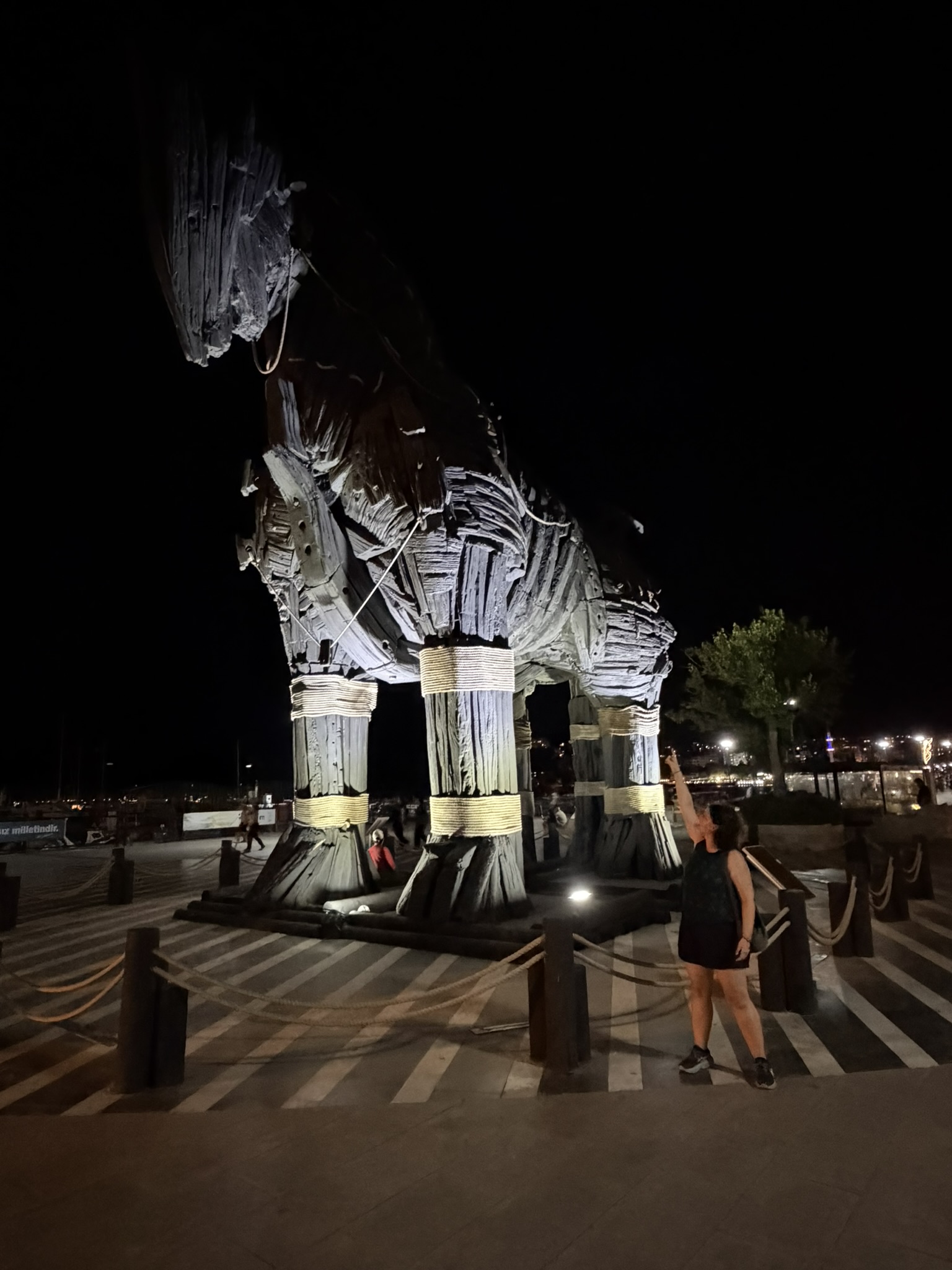
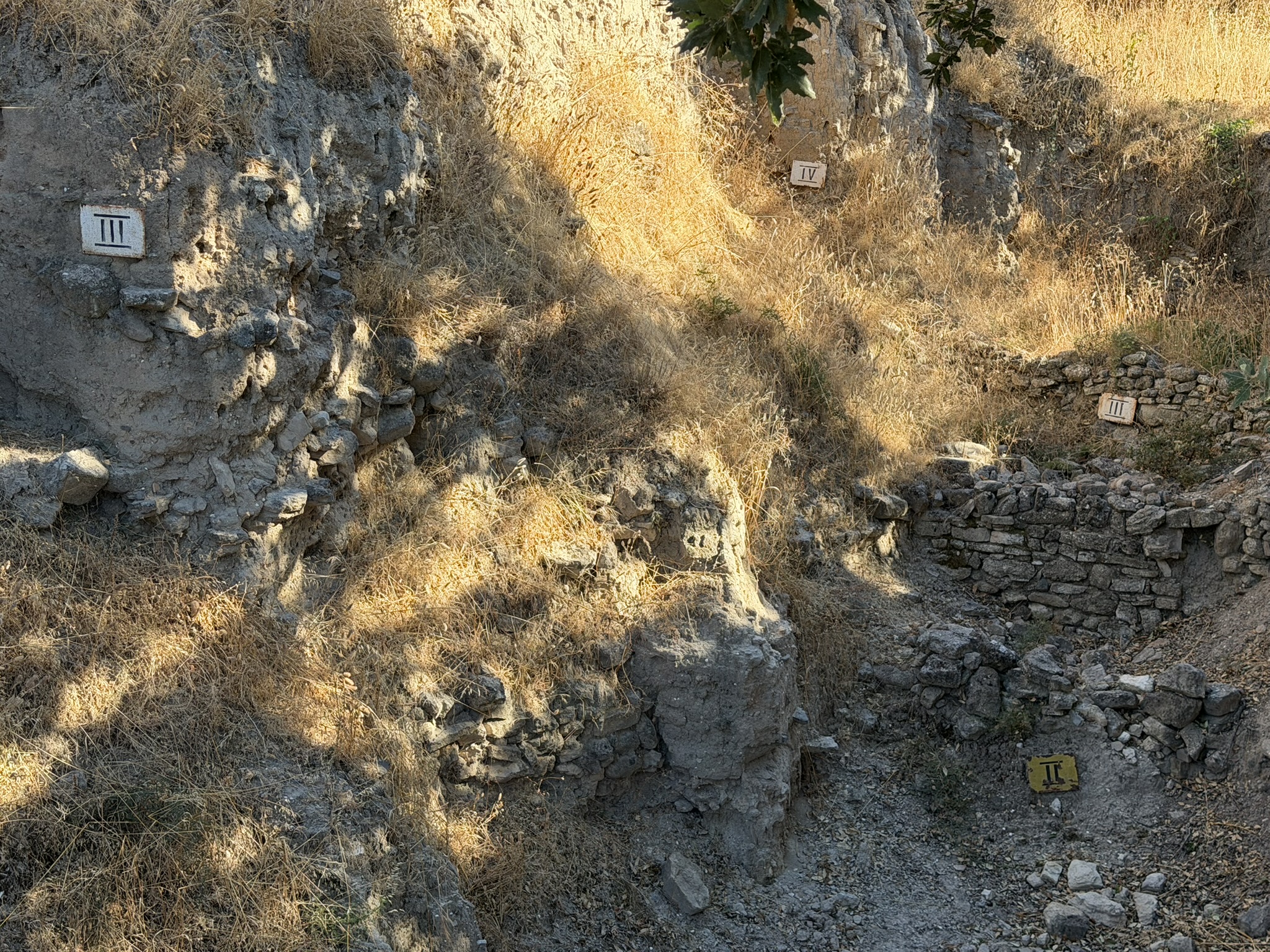
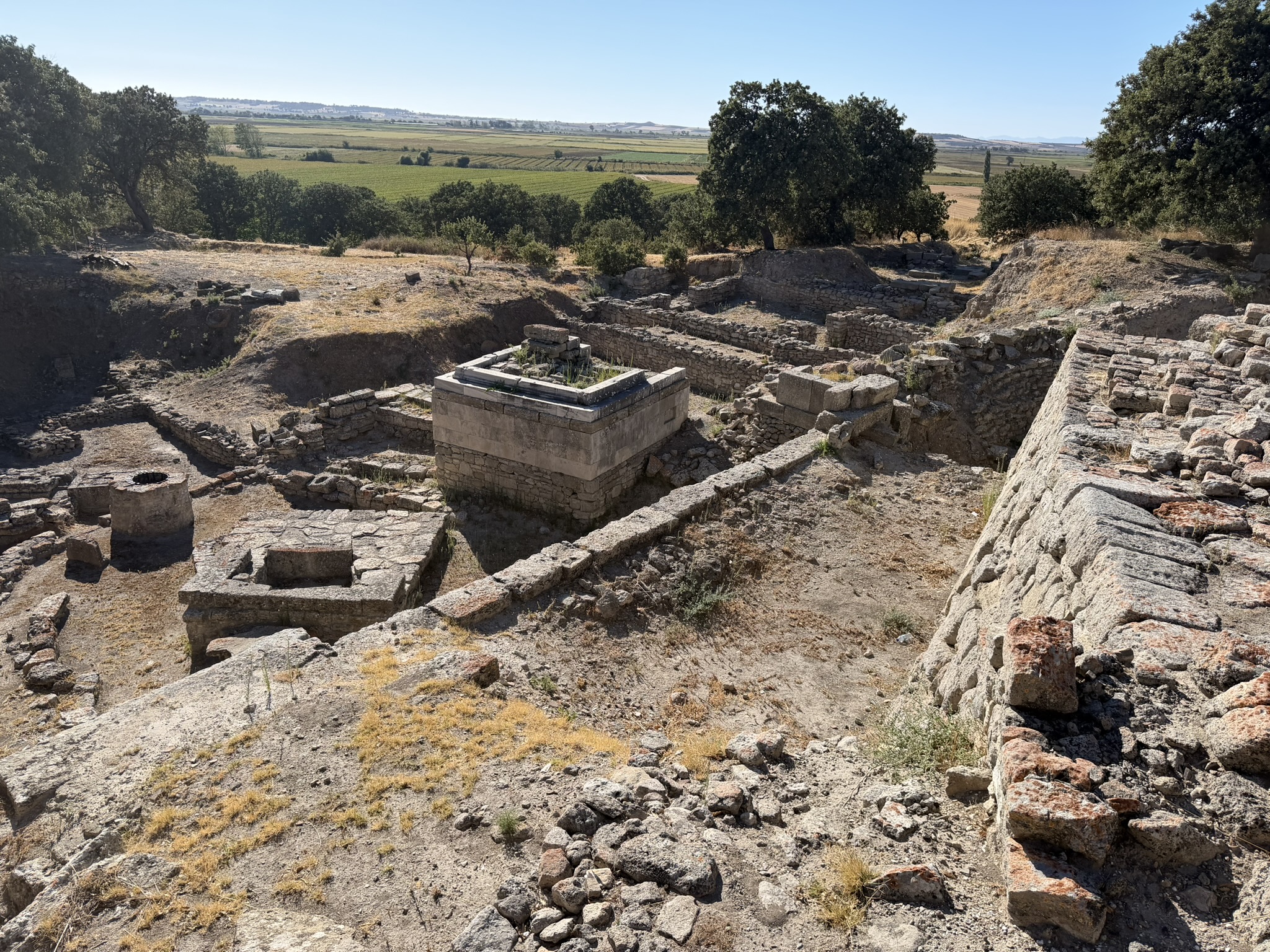
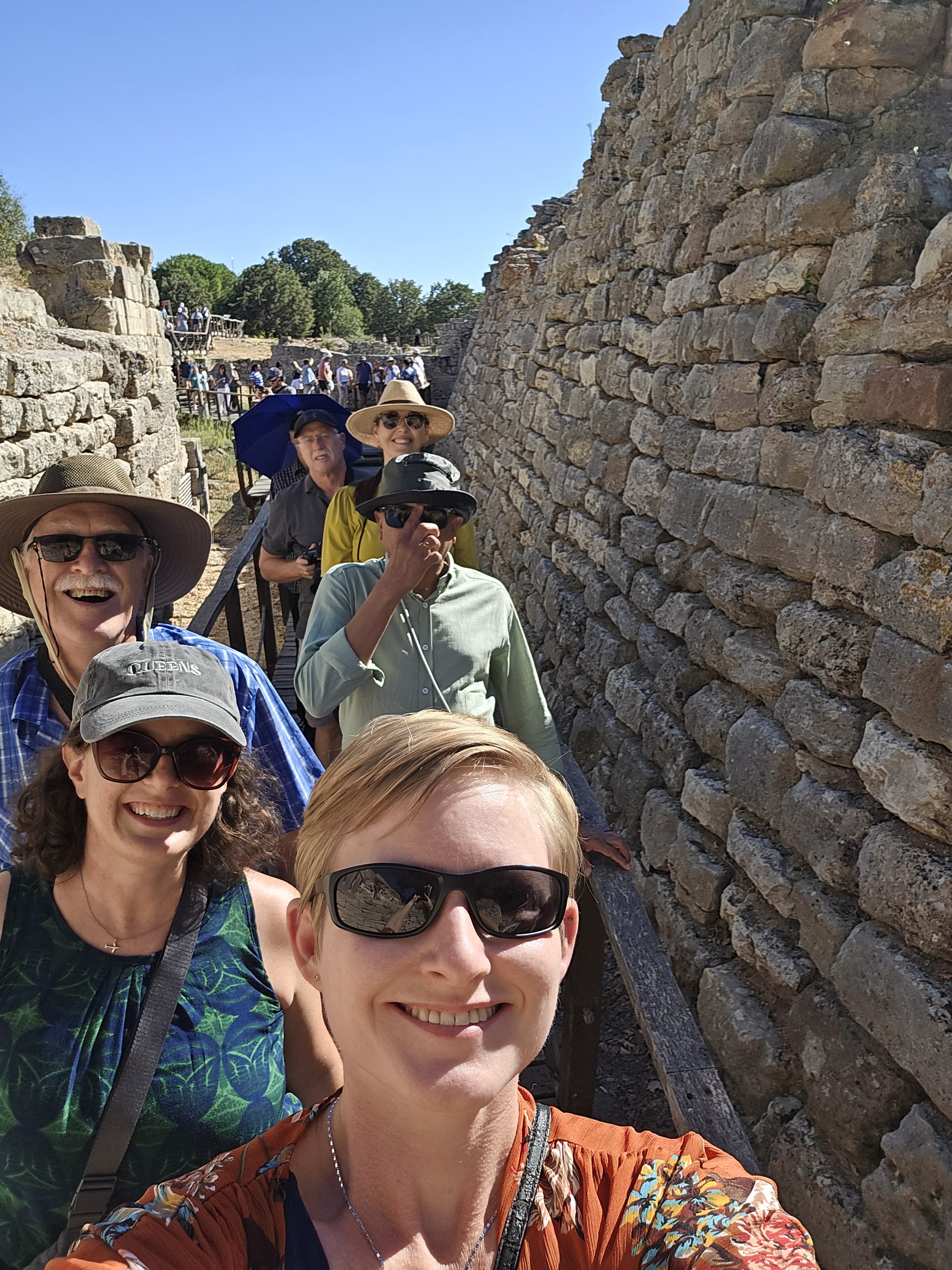
The site itself wasn’t much, just a lot of rocks and mud walls and rubble. Troy was rebuilt about 9 times after it was destroyed due to its strategic location near a straight and winds that stranded people in town before being able to sail on. Each site was built on top of the ruins of the old site, making for a very interesting archeological dig. I enjoyed seeing the big modern wooden horse at the site, and another in the town of Canakkale that was donated from the film Troy. There was also a great museum with artefacts and history including many stories about Homer who was reportedly from that region.
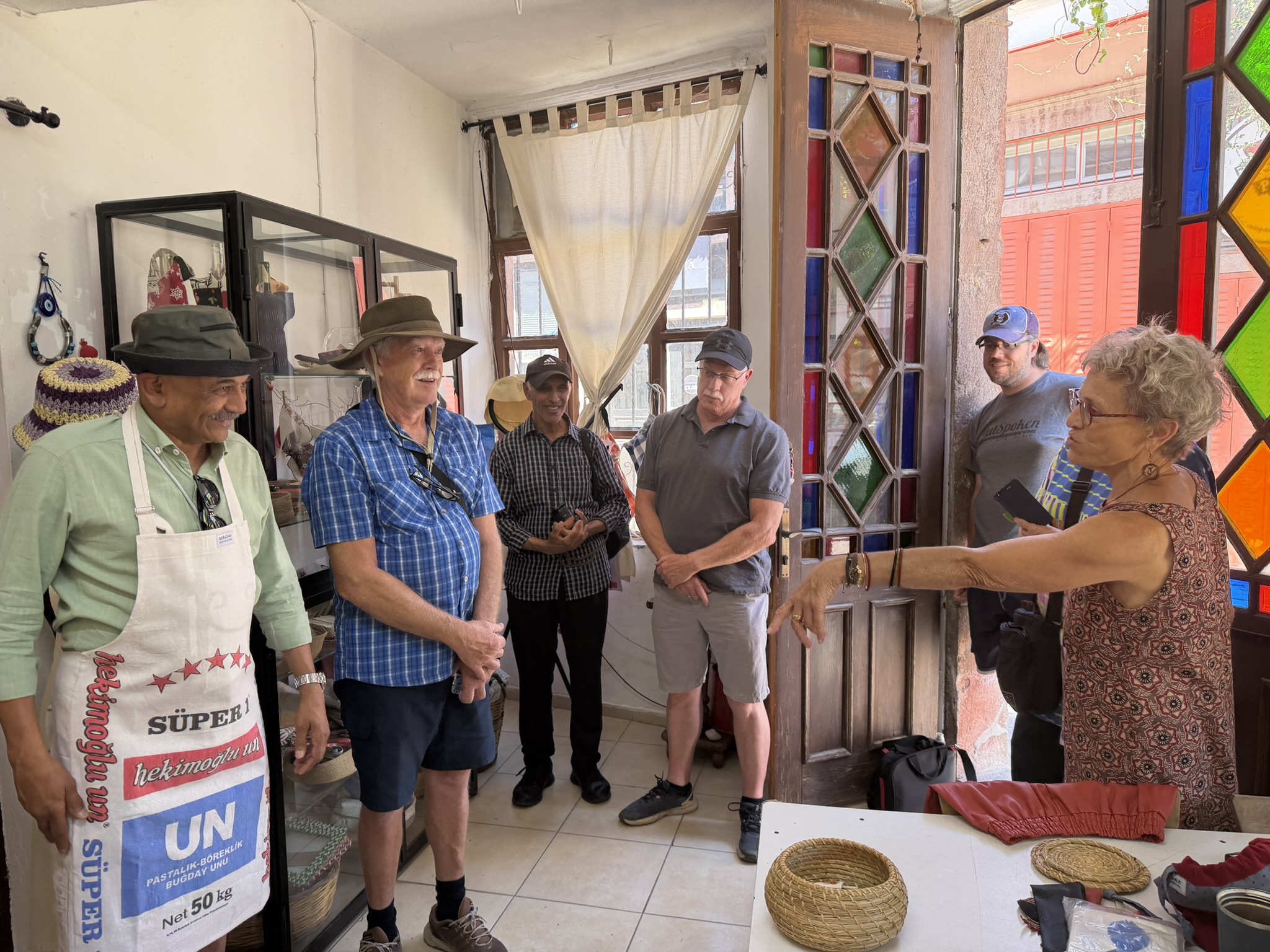
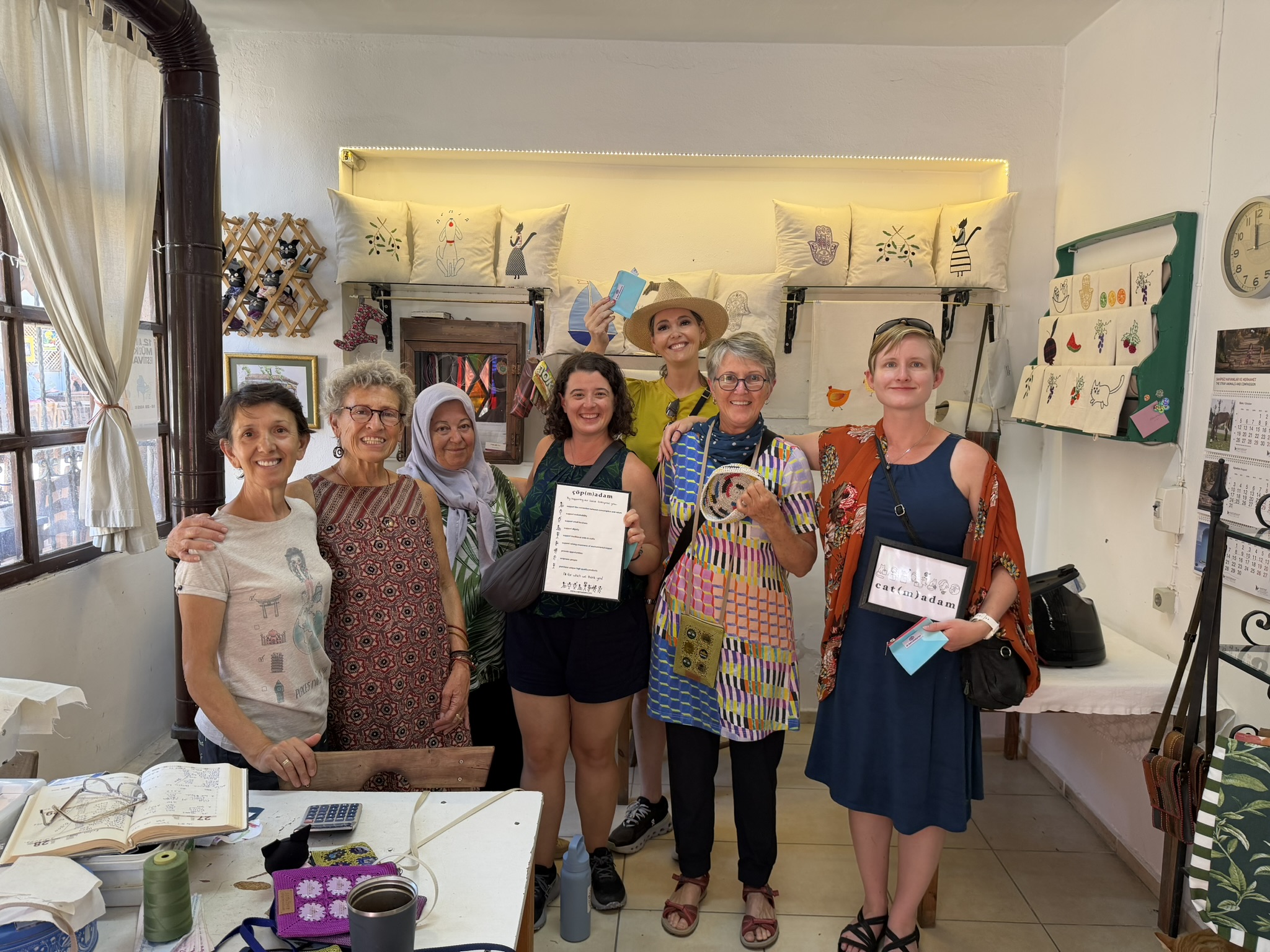
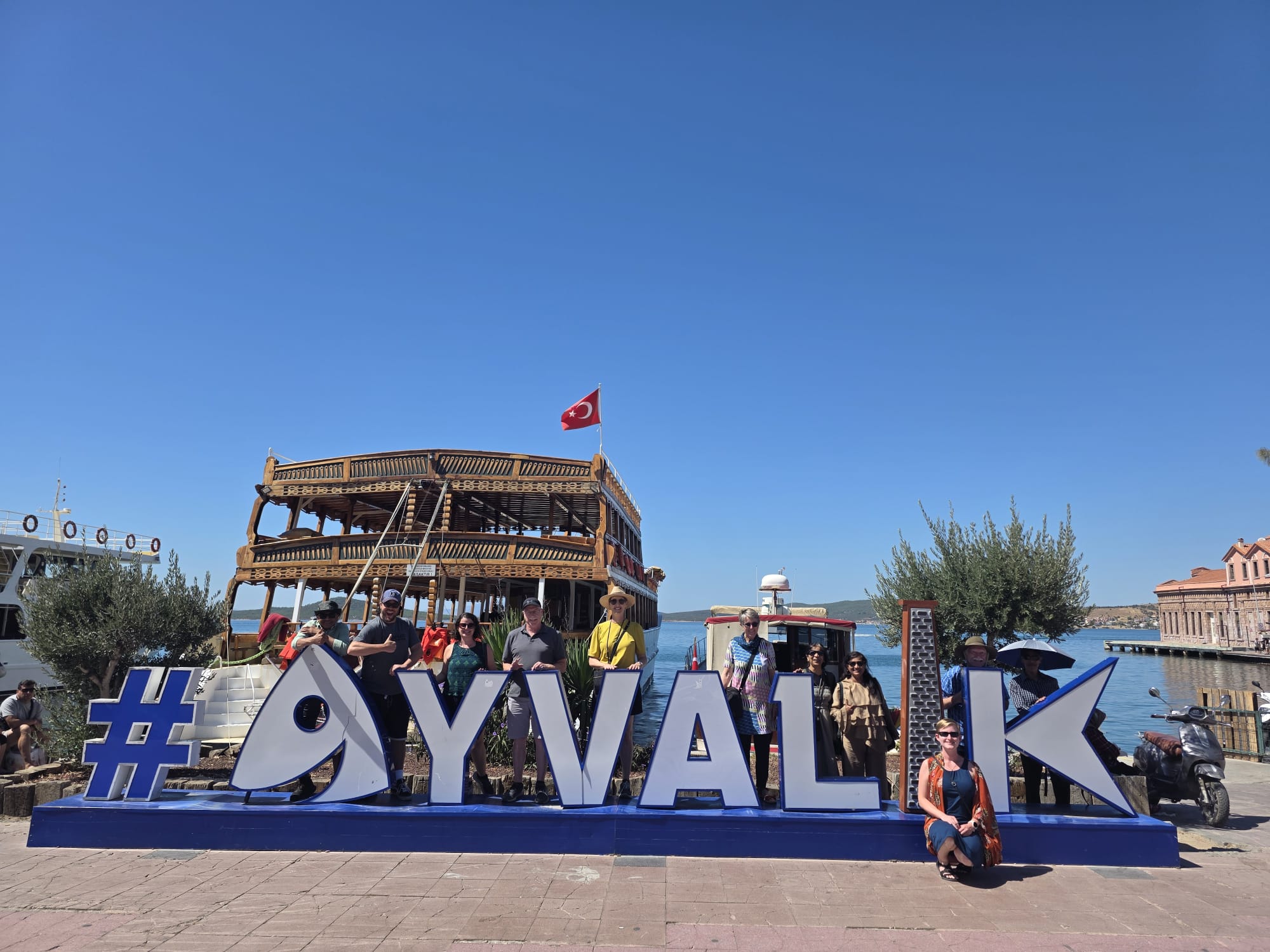
Our Troy day also took us to Ayvalik, a busy seaside town. G Adventures has a foundation called Planterra that supports local companies, including a shop here where women make cute products out of recycled materials. We learned that only 35% of women in Turkey are in the workforce, but that this number has been growing in recent years.
Gallipoli
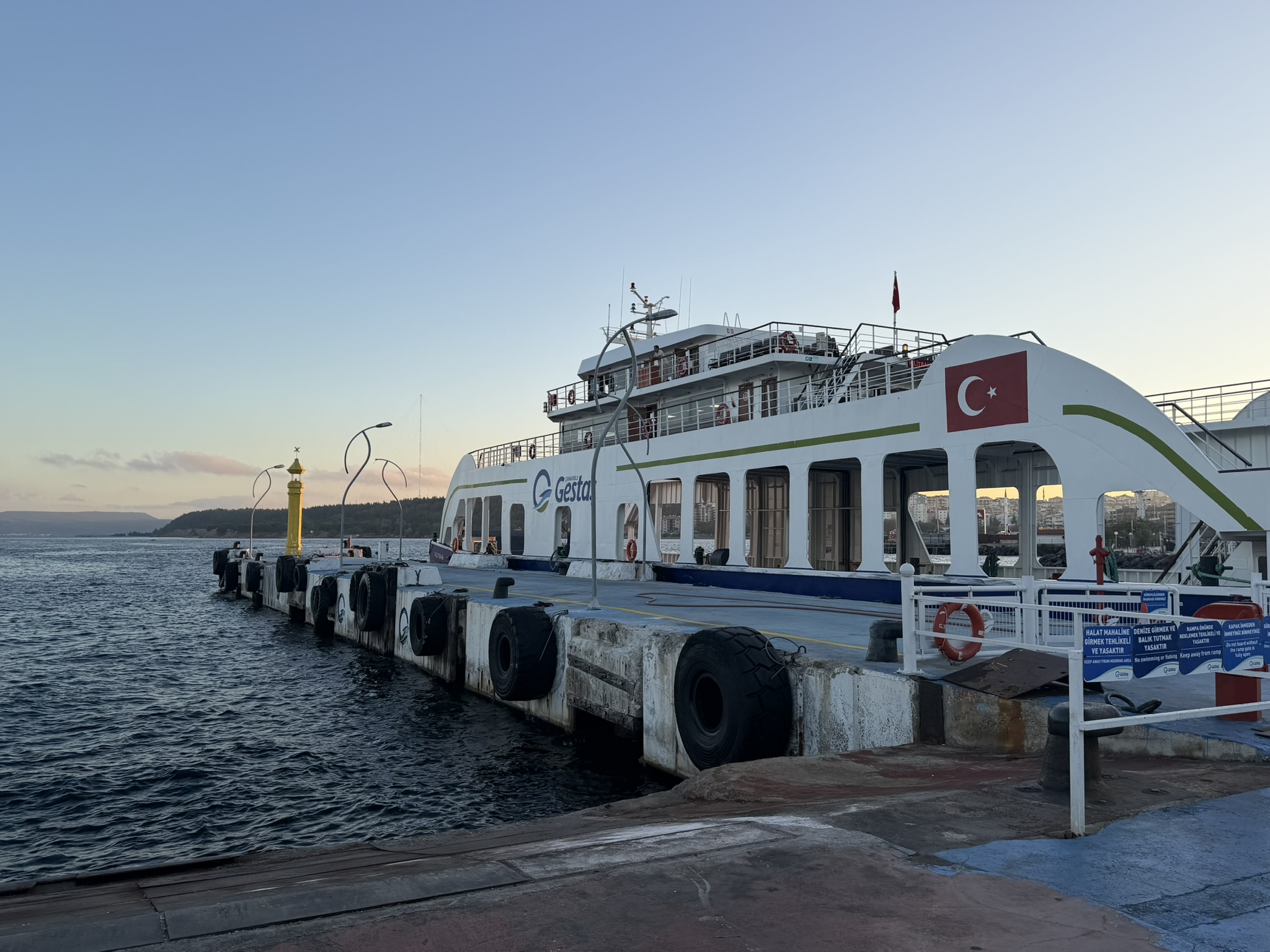
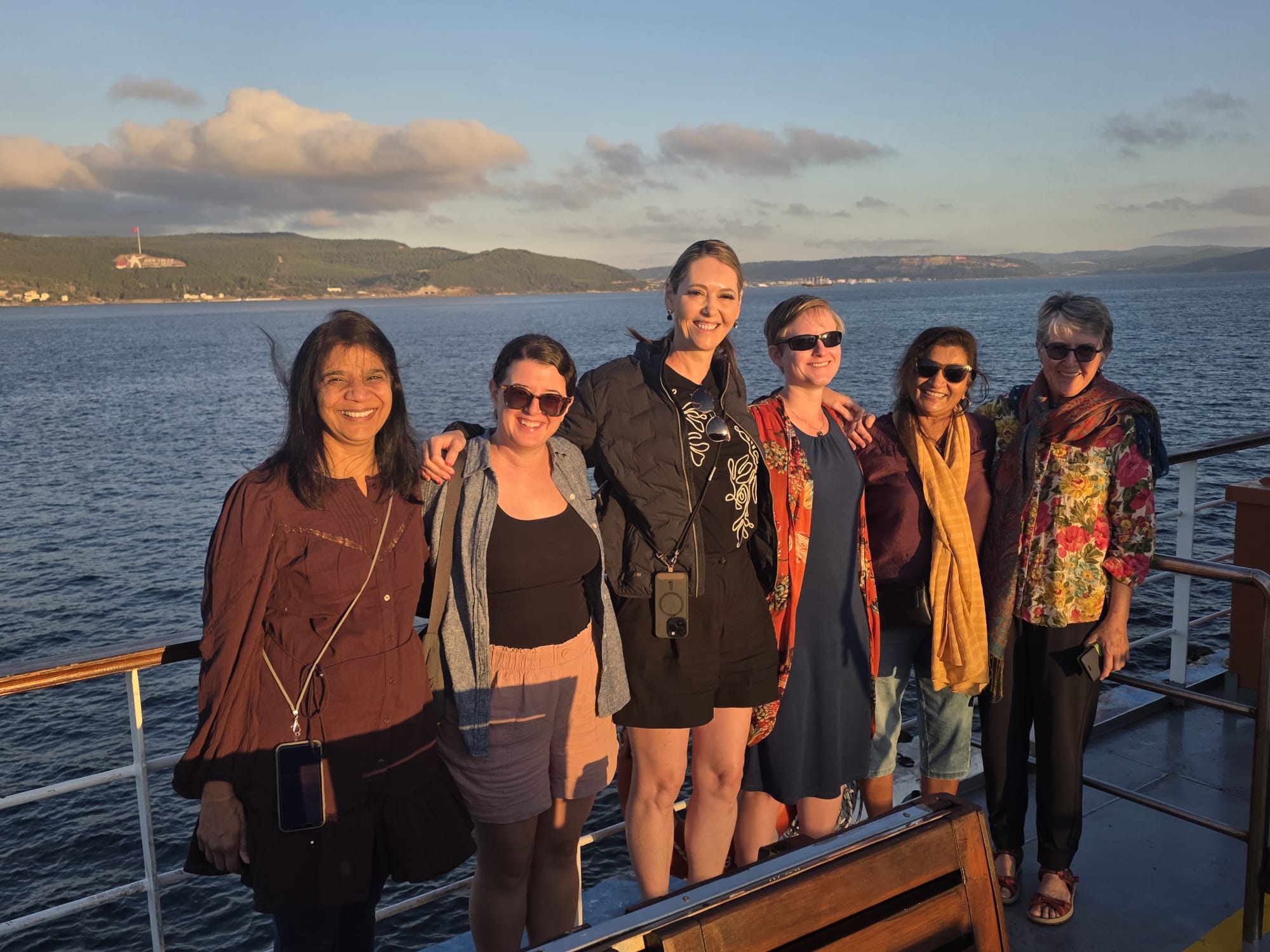
Toward the end of the tour I was getting a little weary; stressed about my roommate Kaycee’s medical visit and grumpy at several hotels for trying to give me rooms that smelled like cigarettes and returning laundry that was still all damp. I was happy to get moving. On our last full tour day, we boarded our van onto a ferry boat for a short ride back to the European side of Turkey.
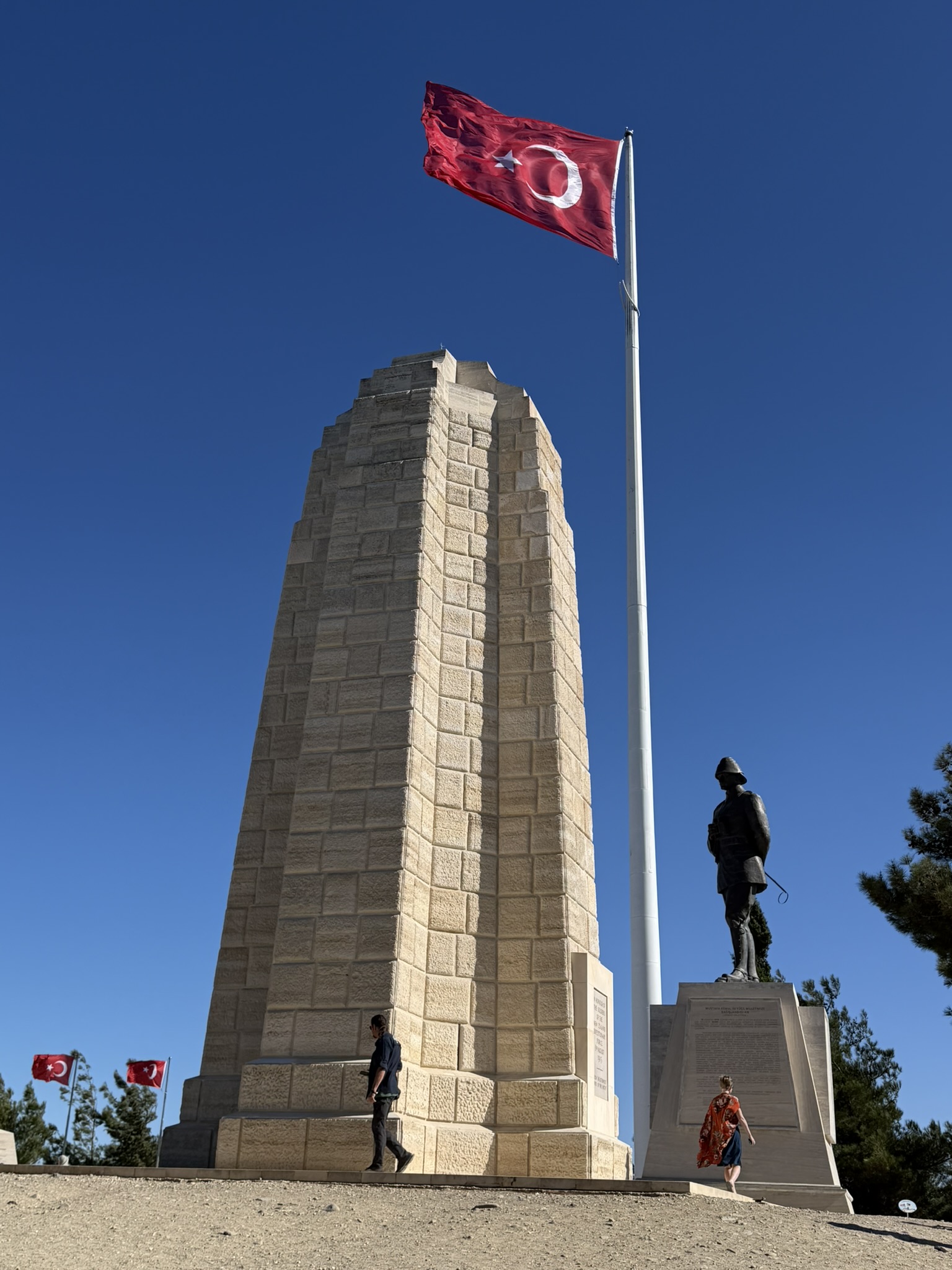
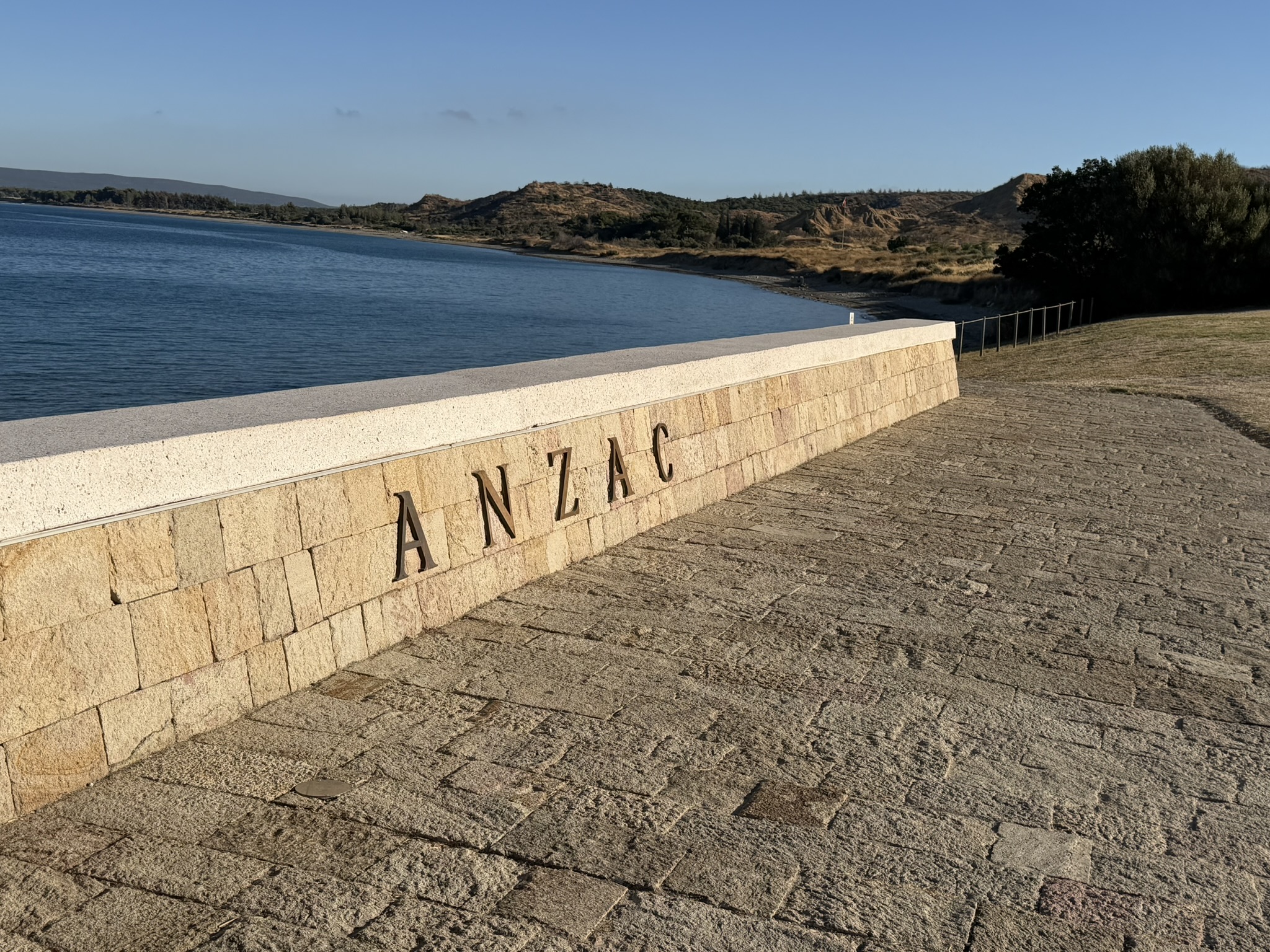
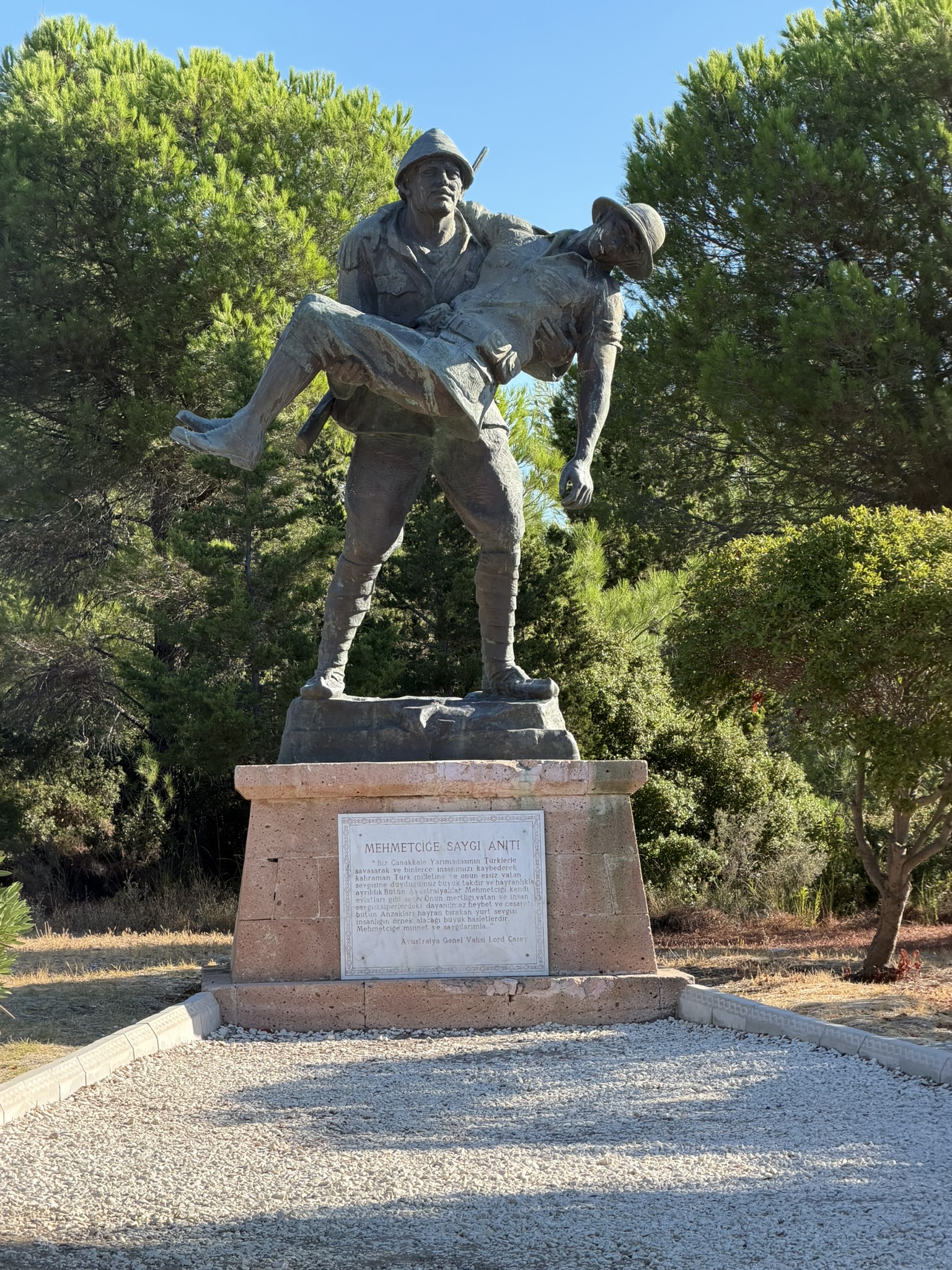
A short drive later and we arrived at Gallipoli. I had never heard of this place before, but for Australians and New Zealanders it’s a very famous battle site from World War One where they were called up to help the British invade. We visited a site that they see on TV each year at a memorial service. We saw a lot of graves and statues and trenches. My tourmates from those countries were getting emotional, one breaking into tears over the horrors of war in general. I was a bit overstimulated and chose not to explore the sites too deeply. At one point, staying behind with Jenni, we started talking about war and politics and corruption. I found myself saying a lot of the things I often say about working in politics, and starting to wonder just what my burnout did to me in the long run and if I’ll find my way back to that work again. But I put those thoughts aside for now; it’s still early. For now, the travels continue!
 travels.of.tara